
Boston City’s Property Inspection – Explained
Every single rental property in Boston needs to be registered, even if you do it short-term rental. The process can either be done in person through paper and check or online. At Green Ocean, we decided to do it online because of the number of properties that we have. It’s nice if you have…

Every single rental property in Boston needs to be registered, even if you do it short-term rental. The process can either be done in person through paper and check or online. At Green Ocean, we decided to do it online because of the number of properties that we have. It’s nice if you have multiple properties, you can just register one account and have everything set in one place.
Table of Contents
What is the Rental Inspection Ordinance?
The rental inspection ordinance is a city rule designed to ensure that all rental properties meet specific health, safety, and maintenance standards. If you own a rental property in Boston—whether a condo, multifamily, or even a short-term unit—you’re required to follow these guidelines. Think of it as the city making sure everyone’s playing by the same rulebook, kind of like how Airbnb checks for safety features before allowing a new listing.
At its core, the ordinance lays out things like regular property registration, routine inspections every five years, and responsibilities both landlords and tenants must follow. The goal? Safe, sanitary, and well-maintained housing throughout the city. If your building falls short—leaky faucets, broken smoke detectors, dodgy wiring—you’ll need to handle repairs promptly to stay compliant.
Why does this matter?
The city enforces these housing codes not just to check a box, but to protect the health of tenants and the broader public. These rules aren’t one-sided: as a property owner or manager, you have responsibilities to keep things up to code, but tenants also have rights and obligations under these laws. It’s all about creating safe, livable spaces for everyone involved.
So, whether you’re renting out a single condo or managing a dozen multifamily units, understanding these rules upfront helps you avoid headaches, potential fines, and—most importantly—keeps your tenants happy and healthy.
Why the City Enforces These Rules
The city enforces these housing codes not just to keep properties looking good, but to protect the health of tenants and the broader public. Everyone—whether landlord or tenant—has both rights and responsibilities under these rules. As a property owner, you’re expected to keep your unit up to code and respond quickly if issues pop up. As a tenant, you also have a role to play in maintaining safe living conditions, and you can even request an inspection if you believe the property isn’t up to code.
If you ever run into a possible violation—say, a heating issue in the winter or a persistent pest problem—the city has inspectors you can reach out to for help. And if you’re not sure where to start, you always have the option to contact the city’s main information line for guidance.
Here’s a quick rundown of what you can expect from the rental inspection ordinance:
- Mandatory registration for all rental units, no matter the size or how long you rent them out.
- Periodic inspections (every 5 years) to make sure your property is up to code.
- Tenant notification requirements, so everyone knows when inspections are scheduled.
- Clear standards based on the state sanitary code, covering basics like heat, water, pests, exits, and more.
- Penalties and fines if violations aren’t addressed, which can definitely add up over time.
In a nutshell: the city is looking out for everyone’s best interests—making sure that as a landlord, you’re providing a safe space, and as a tenant, you know what you’re entitled to and what’s expected of you
It sounds like a lot, but with organized records and a proactive approach—something we do every day at Green Ocean—it becomes routine.
Which Types of Properties Are Not Exempt from Inspections?
Now, you might be wondering if any properties can skip the inspection process entirely. The answer: not really! The city’s requirements are pretty thorough. Here’s a quick rundown of the types of properties that still need to go through inspection:
- Homes or apartments sitting vacant (yes, even if no one lives there)
- Units that are actively being renovated
- Residences where you have family living in them—unless your relative is on the deed and under 18, you’re still on the hook
- Apartments where you aren’t collecting rent
So, even if you think your setup might be off the typical landlord-tenant path, chances are Boston’s rules still apply.
Which Rental Properties Are Exempt from Boston’s Inspection Requirements?
Not every building in Boston falls under the city’s inspection umbrella. There are a few notable exceptions:
- Smaller buildings—if your property has six units or fewer and you yourself live in one of those units, you’re off the hook for inspections.
- Any units that are owned and operated by government entities (city, state, or federal) also aren’t required to go through the inspection process.
- Lodging houses, dormitories, or rooming houses with a current lodging license get a pass as well.
If your rental fits into one of those categories, congratulations—you can skip the regular inspection routine! Otherwise, buckle up for Boston’s property inspection process, which definitely has some hoops to jump through.
Property Inspection in Boston City
The City of Boston’s Inspectional Services Department will require you to have your property be inspected every 5 years. The inspection process is pretty detailed. They’re going to send you a letter in advance, telling you when the inspections are going to occur, and have your tenants fill out a form allowing the city inspector to enter into the building. If you don’t have this in advance, then the city inspector will not enter. The city inspector can come and ask tenants to sign the form in person, but we are responsible to let the tenants know in advance.
Failing a city inspection costs owners real money in fines and re-inspection delays. Green Ocean tracks every Boston rental’s inspection calendar so nothing lapses — see Boston rental property management →
We, as a property management company, will go into the property before the inspection. We know exactly what will be inspected on the property, so we do our best to make these repairs to pass on the first try.
What’s Checked During a Rental Property Inspection?
When it comes to passing your Boston rental inspection, it helps to know exactly what inspectors look for. The city follows a detailed checklist, so you don’t get blindsided by last-minute surprises. Here’s what typically comes up during the walkthrough:
- General Health & Safety: They’ll check that all smoke and carbon monoxide detectors are in working order, and that your exits are clear and accessible—think unobstructed hallways and stairways.
- Plumbing & Fixtures: Expect the inspector to test faucets, toilets, showers, and check for any leaks or water damage.
- Heating & Utilities: Is the heat functioning properly, especially if it’s the middle of a New England winter? They’ll check radiators, thermostats, and heating systems to ensure everything’s up to code.
- Electrical Systems: Outlets, light fixtures, and wiring need to be safe and properly covered. Cover plates missing or exposed wires? Those won’t fly.
- Structural Integrity: They look for cracks in walls, peeling paint, or anything that suggests a bigger problem with the building.
- Fire Escapes and Egress: If you have a fire escape or balcony, expect them to double-check its condition (and yes, there’s even an affidavit required in some cases).
- Cleanliness and Sanitation: Kitchen appliances and bathrooms need to be clean and sanitary. Infestation issues or excessive clutter can trigger automatic fails.
- Windows and Doors: These should open and shut smoothly, and locks must work. Screens and storm windows are also points of interest.
This checklist is meant to ensure your rental is safe, healthy, and up to city standards before those official eyes show up with their clipboard.
Now, let’s talk about what happens on inspection day.
Steps for Controlling and Preventing Bed Bugs in Multi-Unit Buildings
If you think dealing with city inspections is tough, wait until bed bugs get involved—Boston doesn’t mess around. Here’s what you’ll need to do if there’s a bed bug situation in your building:
- Act Quickly: Once there’s been a violation or even just a suspected infestation, property owners need to spring into action by bringing in a licensed pest control operator (no DIY fixes here—go with someone reputable like Western Exterminator or Orkin).
- Inspection of All Units: Not only do you have to address the actual unit with the problem, but the city expects you to inspect every neighboring unit—above, below, and next door—to stop those sneaky bugs from spreading.
- Treat Multiple Units: It’s not enough to treat just the affected area. All adjacent units must be treated as well, with documentation for each step. Thoroughness beats shortcuts every time.
- Keep Records: Document every inspection and treatment thoroughly. Written extermination reports are required and need to be submitted within 14 days to keep your case in good standing.
- Ongoing Treatment Plans: Sometimes one round isn’t enough. The city wants to see that you’re following a clear treatment program with scheduled follow-ups, not just a one-and-done spray-and-pray approach.
Bottom line: Dealing with bed bugs means transparency, professional intervention, and lots of paperwork—so stay organized and respond fast to keep everyone (including the inspectors) happy.
What Are the Requirements for Handling Bed Bug Violations?
If you ever find yourself staring down a dreaded bed bug violation in Boston, there’s a specific protocol you’ll need to follow—no shortcuts here!
Here’s what’s expected from property owners:
- Prompt Extermination Reports: Within 14 days of receiving a bed bug violation, you’re required to submit written extermination reports. The case won’t be closed until these are turned in, so don’t let this paperwork slip through the cracks.
- Licensed Pest Control Only: You can’t take a DIY approach—property owners must hire licensed Pest Control Operators (think big names like Orkin or Terminix). Make sure to keep all documentation and treatment plans provided by your pest pros.
- Comprehensive Inspections and Treatments: It’s not just the infested unit that needs attention. You’ll have to inspect—and if needed, treat—every unit that touches the affected one. That means any neighboring apartments above, below, or beside the infested space get the full pest-control treatment, too.
- Thorough Documentation: Hang on to all paperwork related to the inspection and treatment program. These documents show you’re working with a professional pest control service and following an active program—not just hoping the problem goes away.
Bed bug issues are serious business, but staying organized and proactive with licensed help will keep you on the right side of the city’s requirements.
Resources for Tackling Pest and Rodent Issues
Let’s face it—pest problems are no fun for anyone, whether you’re a landlord or a tenant. Fortunately, there are solid resources out there to help keep your rental properties free of unwanted critters.
If you discover any signs of rodents, cockroaches, bedbugs, or other pests, don’t panic. Here’s how you can stay proactive:
- Professional Pest Control Services: Reputable companies like Orkin, Terminix, or local outfits often offer free consultations and treatment plans tailored to apartment buildings and homes.
- Preventative Maintenance Guides: Many property managers rely on guides from the National Pest Management Association to keep properties pest-resistant (think sealing gaps, regular trash removal, and moisture control—simple steps, big results).
- Tenant Education Materials: Easy-to-read flyers and checklists that remind tenants about best practices, like proper food storage and trash disposal, can make a big difference.
- Reporting Tools: If you’re struggling with a recurring problem, consider using online reporting apps or hotlines (some cities offer them) to get swift help and inspection scheduling.
Staying ahead of pest issues is all about quick action and knowing where to turn. A few well-placed calls and a little preventative care, and you’ll keep your property—and your tenants—happy and healthy.
Helpful Forms and Resources for the Inspection Process
When it comes to navigating Boston’s property inspection process, being prepared with the right forms and resources will make things go much smoother—trust me, you don’t want to be scrambling last minute.
Here are some key documents and tools you’ll need:
- Rental Registration Application – Whether you’re registering for the first time or updating your status, this is your starting point. If you manage multiple units like we do at Green Ocean, you’ll appreciate having everything in one place.
- Tenant Consent Form – This is essential. Without your tenants’ consent, inspectors won’t step foot in the property. Make sure each tenant has completed this ahead of time.
- Inspection Checklist – Stay one step ahead by reviewing a checklist of items the city inspects. Addressing potential issues before the inspector arrives can save you from a failed inspection.
- Sample Management Plan – Especially useful if you’re entering the Five-Year Inspection Plan. This example template guides you through documenting your ongoing property maintenance.
- Fire Escape and Safety Forms – For properties with fire escapes or balconies, proper paperwork and affidavits are required to prove compliance.
- Massachusetts Sanitary Code – Familiarize yourself with these state standards, as inspectors will reference them during your inspection.
- FAQs and Ordinance Summaries – If you’re ever unsure, there are concise guides and FAQs that break down the inspection ordinance and answer common landlord questions.
If you ever need to double-check requirements or download forms, organizations like MassLandlords.net or local property management groups typically have handy online resources. Keeping these documents organized and accessible will save you countless headaches during your next rental inspection.
Reporting Problems in Your Rental
Sometimes, even the best-maintained properties can encounter surprises—like spotting a bed bug, dealing with overcrowding, or suddenly losing heat in the middle of January. When issues pop up, tenants aren’t powerless. There’s a clear process to get help.
If you notice any of the following in your unit:
- Evidence of bed bugs or other pests
- Overcrowded living conditions
- Unsanitary or unsafe conditions (think mold, leaks, peeling paint)
- Problems with essential utilities like heat, electricity, or plumbing
Here’s what you can do:
- Submit a Service Request: In Boston, tenants can report these concerns directly to the city using the BOS:311 system. This online portal (also available as a mobile app and by phone) lets you document and submit your concerns quickly—whether it’s a bed bug sighting or recurring plumbing issues.
- Gather Evidence: Before submitting, take clear photos or videos of the issue. Having this documentation makes it much easier for the city (and your landlord) to understand the extent of the problem.
- Reach Out to Support Networks: Organizations like MassLandlords.net also offer guidance for both tenants and landlords when tough situations arise. Checking their FAQs or resources can help you understand your rights and the steps you should take.
- Track Your Request: Once submitted, you’ll receive a tracking number. Use this to follow up with city officials if the issue isn’t resolved promptly.
Taking action quickly helps ensure your unit stays safe and livable—and often nudges landlords to address issues sooner rather than later.
What to Do If You Suspect a Housing Code Violation
If you think a property might be violating housing codes—think faulty smoke detectors, heating issues, or any safety hazard—the best move is to report it promptly. Start by reaching out to your property manager or landlord to give them an opportunity to address the issue directly.
If things don’t get resolved, or you’d rather have a professional take a look, you can call your local inspectional services department or utilize community resources such as MassLandlords.net. They can guide you through the reporting process and connect you with the right authorities. Some neighborhood groups and tenant advocacy organizations also offer hotlines and help lines to make the process smoother.
Above all, don’t ignore suspected violations—keeping your living environment safe and up to code protects everyone involved.
How to Contact Boston’s Housing Inspection Division
If you find yourself needing a bit more guidance—or simply want to get answers straight from the source—you can easily connect with the city’s housing inspection division for help. Here’s how:
- Phone: Give them a call at 617-635-5300 for direct assistance with your inspection questions.
- Email: Prefer things in writing? Send your inquiries via email for a prompt response.
- In Person: Sometimes, talking face-to-face helps. Visit their office at
1010 Massachusetts Avenue, 5th Floor, Boston, MA 02118.
Whether you’re ironing out a tricky paperwork detail or just want some clarification, reaching out early can make the process far less stressful. Don’t forget: groups like MassLandlords.net are another great resource if you’re looking for peer advice or need extra support along the way.
Multilingual Fact Sheets for Common Issues
If you’re dealing with concerns like asbestos, bed bugs, or mold (and let’s be honest, these can crop up in any Boston building), it’s smart to have reliable information on hand for both yourself and your tenants. The good news: comprehensive fact sheets covering these hot topics are available in a variety of languages—including English, Chinese, Haitian Creole, Portuguese, Spanish, and Vietnamese.
Where to find them? Organizations such as MassLandlords.net, the Massachusetts Department of Public Health, and local health coalitions maintain downloadable fact sheets so you and your tenants can get the right information in your preferred language. Having these handy not only helps educate your residents but also shows that you’re proactive about the health and safety of your property.
Here’s a quick tip: Keep digital or printed copies of these fact sheets in your property management files, or share them directly with tenants during lease-up or inspection prep. This can help answer questions before they become problems—and make you look like the prepared, caring landlord you are.
Using an Authorized Inspector (Non-City Option)
If you prefer not to use a City housing inspector, you do have the flexibility to hire an authorized third-party inspector, like Lesley Christos, or anyone else on the approved list. Here’s how the process works:
- Schedule your inspection directly with the authorized inspector.
- Once the inspection is completed and your unit passes, you’ll receive an inspection report for each unit.
- Each report must include a signed affidavit from the inspector.
- Afterward, you’ll need to submit these passed reports along with the affidavits to the city. There’s a $15 filing fee per report submitted, so plan accordingly for your number of units.
Just make sure that every unit has its own report and affidavit—no skipping. This can sometimes help speed up the process, especially if coordinating with city schedules turns into a headache.
Alternative Compliance Plans for Qualified Landlords
If you’re a landlord with a solid track record of complying with state and city codes, there’s some good news—you may not have to go through the standard inspection process every single time. Boston offers a Five-Year Alternative Inspection Compliance Plan specifically for property owners who consistently meet all the requirements.
This plan can save you both time and effort by allowing for less frequent inspections. To qualify, you’ll need to demonstrate a history of passing inspections and maintaining your properties according to all codes. The application is a bit more involved, but if you’re consistently on top of maintenance, it’s well worth considering.
Keep in mind:
- Your eligibility is based on your compliance history.
- You’ll need to formally apply and get approval before you can opt into the five-year cycle.
- Even while on the alternative plan, maintaining high standards is key to staying eligible.
For landlords who go above and beyond, this program is a great way to streamline your compliance efforts and avoid unnecessary repeated inspections.
How to Apply for the Five-Year Alternative Inspection Compliance Plan
If you’re a property owner with a strong track record of meeting both state and city codes, you might have the option to simplify your inspection schedule through a Five-Year Alternative Inspection Compliance Plan. This option is designed for landlords who consistently keep their buildings in top condition and want to avoid the hassle of repeated annual inspections.
Here’s how you can take advantage of this plan:
- Review Eligibility: Make sure your properties have no outstanding violations and are in full compliance with safety standards. Only those with a proven history of adherence to codes are considered.
- Prepare Your Documentation: You’ll need to complete an application form and put together a property management plan that outlines how you’ll maintain compliance over the five-year period. Green Ocean can help assemble these materials, making the process smoother.
- Submit Your Application: Once completed, submit your plan and forms online or via mail, depending on what works best for you. Allow several weeks for review.
- Maintain Records: Even after approval, keep detailed records of repairs, maintenance, and tenant communications. This will make renewals or future applications much easier.
- Stay Proactive: If you join this program, it’s essential to stay proactive with repairs and ensure your property continues to meet all codes—otherwise, you could lose your eligibility.
By following these steps, responsible property owners can streamline the inspection process and save a great deal of time and stress over the years.
Using Inspection Reports from Boston Housing Authority (BHA) or the Metropolitan Boston Housing Partnership (MBHP)
If you have an inspection completed by the Boston Housing Authority (BHA) or the Metropolitan Boston Housing Partnership (MBHP), good news: you can absolutely use those inspection reports to satisfy the city’s inspection requirement. The process is straightforward—you just need to submit the official inspection report for each unit, along with a $15 filing fee per unit.
Alternatively, you can also hire a city-authorized inspector, such as Lesley Christos (617-699-6476, leschristos@gmail.com), or have the city’s housing inspector handle everything. Just remember that if you go with a private authorized inspector, there’s a separate filing fee, and you’ll need to include their signed affidavit with your report. But if you’re already working with BHA or MBHP, you don’t have to double up on inspections—just file those reports and the city will accept them.
Fire Escape and Fire Balcony Affidavit Requirements
Boston takes fire safety seriously, and if your building has a fire escape or fire balcony, you’ll need to provide proof that these are safe and in working order. Here’s how it works: The city requires an affidavit—a formal document—confirming that your fire escape or fire balcony has been inspected and is structurally sound.
This isn’t just paperwork for the sake of paperwork. You’ll need to hire a licensed professional, such as a structural engineer or a qualified contractor (think brands like Simpson Strong-Tie for hardware, or call in a local expert who specializes in fire escape inspections). They’ll thoroughly examine the fire escape or balcony, make any necessary repairs, and sign off that it’s safe. Once completed, you’ll submit this signed affidavit to the city to keep your property compliant.
Don’t skip this step—without a current affidavit on file, your property could end up failing inspection, even if everything else checks out.
Accommodations and Language Support
If you or your tenants need assistance during the inspection process, there are plenty of helpful services available at no extra cost. Whether it’s translation, interpretation, or support for disabilities, you’ll find resources to make sure everyone is on the same page and comfortable.
Here’s what you can expect:
- Language Support: Need information in Spanish, Haitian Creole, Chinese, Vietnamese, Portuguese, Russian, Arabic, or other languages? You can request interpretation and translation services so nothing is lost in translation.
- Accessibility: If you or a tenant requires accommodations due to a disability, you can access services to help with communication or mobility needs.
- Easy Access: Just reach out via email or phone before your inspection date to arrange for the support you need. It’s straightforward and free of charge.
No one should miss important details just because of a language barrier or special need. Making the inspection process accessible ensures everyone can move smoothly through the registration and inspection steps.
Fair Housing for Elderly and Disabled Residents
It’s also important to note: housing regulations are designed to protect all residents, including elderly tenants and people with disabilities. The city is committed to making sure everyone has a fair housing opportunity, and that means actively working to remove barriers—whether linguistic, physical, or procedural. So, if you or someone in your building needs extra assistance, don’t hesitate to ask. The goal is for every resident to feel secure and supported throughout the inspection and registration process.
Inspection Process

Photo from @shisuka of Freepik
The inspection can be very time-consuming because inspectors are just going to give you a time frame, just like a delivery. It could be between 8:00-11:30, which means that you’d be sitting outside for three and a half hours. Hopefully, your tenants grant you access. If they don’t, you’re going to fail.
There are a lot of properties in the city of Boston, they might not be able to track it, but they do know when you purchased your property. If they catch you not registering your property, they will hit you with fines.
You need to ensure that you registered and have an inspection done once every 5 years. If you want to facilitate this entire process with a property manager, we handle everything from the beginning from the registration all the way to the compliance aspect to ensure that you pass.
Documentation Needed After Your Inspection
Once your property has been inspected by an authorized inspector, there’s a bit of paperwork to wrap up before you can officially check “inspection” off your to-do list. Here’s what you need:
- Inspection Report: Make sure you receive a passed inspection report for each unit. This report needs to be signed by your inspector.
- Signed Affidavit: Along with the report, you’ll also need a signed affidavit per unit verifying the inspection occurred and was successful.
- Filing Fee: There’s a $15 filing fee for each unit’s report, so have your checkbook or online payment ready.
Keep these documents organized and submit everything together. Handling this properly from the start will save you headaches down the road (and possibly another early morning waiting for an inspector).
What will happen when you fail?

Photo from rawpixel.com
The city of Boston will give you one chance to pass before they ask you again to pay for re-inspection. You can re-inspect as many times as you want because the city is charging you a hefty amount. It’s really important to be able to pass during the first time. In addition, if you fail inspection during any type of eviction or court cases or issues, the tenants could potentially use this against you.
These city inspections are very detailed. For them, it affects the habitability and they just follow very quickly what it is on the sheet whether pass or fail. They’re also giving you 30 days to make these repairs. They won’t allow you to reschedule it even if you do it the next week. More problems can come up during that 30-day time frame which we’ve seen that happen as well.
What Do Inspectors Look For?
City inspectors are there to enforce housing laws designed to protect the health and safety of everyone in the building. Their checklist is no joke—expect them to look at everything from working smoke detectors to proper ventilation, and even issues like signs of pests or hoarding. If there’s a violation of the housing code, they’ll flag it for correction within that 30-day window.
- Pest Control: If bed bugs or other pests are discovered, owners must act fast—contracting licensed pest control and submitting written extermination reports within two weeks.
- Neighboring Units: If one unit has bed bugs, adjacent units (above, below, and next door) must be inspected and treated, too.
- Accessibility & Habitability: Inspectors check for safe living conditions, especially for elderly or disabled residents, and make sure your property complies with fair housing opportunities.
What If You Disagree With the Results?
If you believe there’s been an error in your inspection or you find yourself up against a violation that’s unjustified, you can reach out to the city’s inspectors for clarification. But keep in mind, they’re strictly following the code—they aren’t likely to overlook a problem for anyone.
In practice, here’s how the failed-inspection process plays out: once a violation is cited, you typically get a cure period (often the 30 days mentioned above, though the notice will state the exact deadline) to make the required repairs. If you can’t complete everything in time, contacting the inspector’s office before the deadline to explain what’s outstanding is far better than letting it lapse silently. Once repairs are done, you’ll need to schedule and pay for a re-inspection — Boston can charge a fee for each additional visit beyond the first, so getting it right the first time matters financially, not just for compliance. If you genuinely dispute a citation, most Massachusetts municipalities including Boston allow property owners to request a hearing or file an appeal through the Inspectional Services Department rather than simply resubmitting for re-inspection — ask the inspector directly what that process looks like for your specific violation, since it can vary by code section.
So, if you want to avoid repeat inspections, fines, or giving tenants ammunition in a dispute, it pays to make sure your property is truly up to code the first time around.
If you or anyone else that you know is looking for a property manager to help you through the Boston city rental registration process, as well as inspections, feel free to reach out to us. Remember, with Green Ocean Property Management, you get more than a property manager, you get peace of mind.
Apartment Inspection Checklist for Boston Landlords
A good property manager periodically inspects every rental property to confirm units are safe and that properties meet Boston’s legal requirements. Before conducting an inspection, provide at least 24 hours notice in writing, and document everything.
A practical inspection checklist for an annual apartment inspection or routine check:
- Working smoke detectors and carbon monoxide alarms, plus a sprinkler system where required.
- Electrical systems, plumbing, heat, and overall structural integrity.
- Signs of lease violations and condition notes that protect the security deposit at move-out, consistent with the lease agreement.
Green Ocean Property Management handles inspections and compliance for owners across Boston. Our Boston rental property management service builds this into every routine visit.

Managing Larger Apartments With CompanyCam
When it comes to property management, one size does not fit all. At Green Ocean Property Management, we recognize the unique challenges and opportunities of managing larger apartments, specifically those with four to seven bedrooms. In this article, we delve into the strategies we employ to maintain the integrity and condition of these spacious properties,…
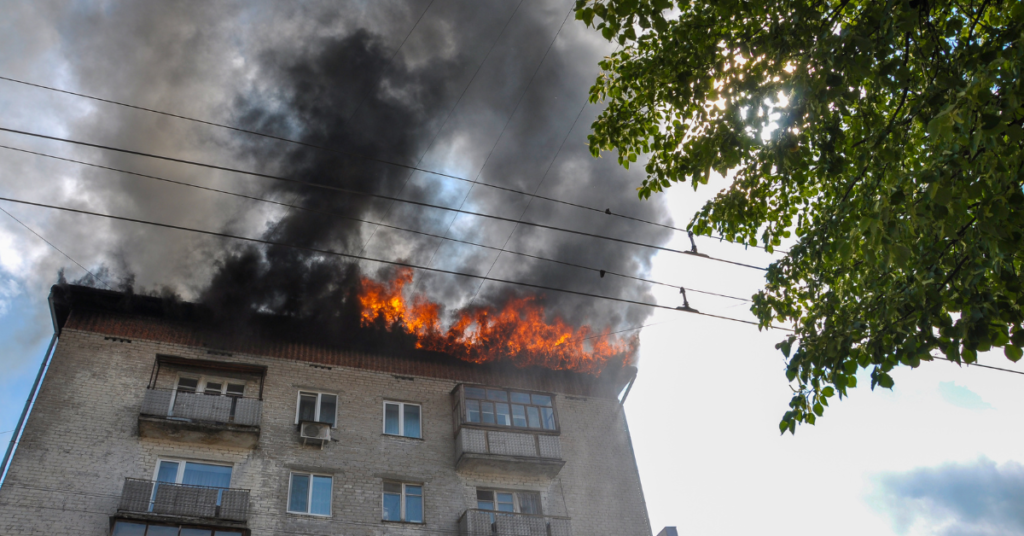
How Our Rapid Response Property Management Becomes Your Peace of Mind
Disaster can strike even in the most well-maintained properties in the blink of an eye. Just recently, one of our properties faced an unfortunate fire incident. The situation’s intensity was palpable, but our team did not budge. This blog will discuss our rapid response and preparedness during unexpected property challenges and why we are undeniable…

Protect Your Property With Our Expert Slate Roof Care
Slate roofs exude elegance and timeless beauty, but they come with unique challenges that set them apart from asphalt roofs. At Green Ocean Property Management, we understand the intricacies of slate roof maintenance and are here to ensure your investment remains safe and sound. This article will delve into the essential aspects of slate roof…
Experience exceptional management and elevate your property with us