
Scale Faster With Google and Smarter Rental Management
Turn searches into signed leases. Use Google and a proven rental management program to boost leads, response speed, and retention without burning out your team today.

Reading Time: 8 minutes
You know the moment. The email pings at 5:42 p.m.—hot lead, perfect fit. But you’re stuck chasing a contractor, answering an owner’s 12th text, and refreshing a spreadsheet that’s become a trap. By 6:10 p.m., the lead is gone. The unit sits vacant a week longer. The team feels like it’s paddling in circles while growth drifts out of reach.
If that sounds familiar, you’re not alone. Property managers often juggle chaos with grit and goodwill, while the market quietly rewards speed, clarity, and consistency. People don’t just search; they decide fast. Owners judge your professionalism by your Google footprint. Residents judge your value by your response time and maintenance follow-through. And your bottom line judges…everything.
This article gives you a clear path out of the swirl. We’ll turn “google property management” searches into signed agreements, design a rental management program that scales, and build systems that shorten vacancies, tame maintenance, and keep owners informed without burning out your team. You’ll see practical examples, credible data, and playbooks you can deploy this week. You’re the hero of this story—we’re just handing you the map and the flashlight.
Table of Contents
Be Found First Where Prospects Already Look
Picture an owner in your market typing, “google property management near me.” The next few seconds decide whether they call you—or your competitor. Think with Google reports that “76% of people who search for something nearby on their smartphone visit a related business within a day.” That’s the front door to your growth, and it’s wide open when your local presence is dialed in.
Start with your Google Business Profile. Complete every field—services, service area, hours, fees or pricing ranges, photos of staff and properties, and a crisp, benefit-focused description. Treat it like your storefront window: clean, specific, current. Add posts weekly (available listings, owner education tips, resident announcements) so the profile looks alive.
Next, own your reviews. Build a repeatable ask: right after a successful turn or lease-up, send a friendly two-tap SMS and email with the direct review link. Rotate requests across owners, residents, and vendors for balanced social proof. When a negative review surfaces, reply within 24 hours with empathy, facts, and a concrete fix. Prospects don’t expect perfection; they expect presence.
Local SEO still matters. Publish neighborhood guides, maintenance myth-busters, and owner FAQs on your site. Use service pages for each city you cover so you can rank for “property management in [City].” Embed structured data, add map embeds, and ensure page speed is fast on mobile.
A quick example: after “I & I Property Management” standardized their profile, added 20 fresh photos, and set a 24-hour review response rule, their inquiries from Google tripled in six weeks—and their best-fit owners consistently mentioned reviews on discovery calls.
Speed to Lead Is the Quiet Profit Multiplier
You can do everything else right and still lose if you respond slowly. Harvard Business Review found that “companies that tried to contact potential customers within an hour were nearly seven times as likely to qualify the lead” as those that waited longer. In property management, that hour can be the difference between a signed management agreement and another month of vacancy.
Design a response stack:
- Lead routing: Send all web forms, Google messages, and listing inquiries into one shared inbox. Tag by source and intent (owner vs. resident vs. vendor).
- First-reply goal: Under five minutes during business hours, under 15 minutes after hours with on-call rotation.
- Channel choice: Start with SMS plus email. Text sets the pace; email carries detail.
- Script library: Three simple templates—new owner inquiry, prospective resident, and vendor—each with two follow-up nudges.
Make it visible. A wallboard or dashboard showing today’s lead count, average response time, and next actions turns speed into a daily habit. When the number slips, you’ll feel it—and fix it—before it becomes a trend.
Anecdote: We coached a boutique firm to set a five-minute SLA and a two-touch follow-up. In 30 days, their booked consults doubled without buying extra ads. Same market, same team, new velocity.
Pro tip: Close the loop on Google. If a lead arrives via your Business Profile, reply where it started. Fast, context-aware responses increase trust and showcase that you’re reachable—exactly what owners want from the company they’ll trust with their asset.
Build a Rental Management Program That Scales, Not Stalls
“Rental management program” isn’t just software—it’s your playbook. Tools matter, but it’s the sequence, standards, and accountability that turn tools into results. Think of your program as six linked lanes: lead intake, leasing, onboarding, maintenance, accounting, and renewals. When each lane has a clear owner, a defined checklist, and a response-time promise, the entire operation speeds up.
Start by mapping the journey. Whiteboard (or document) every handoff from the first owner call to the first renewal. Note the moments where you consistently feel friction: keys, photos, leasing criteria, pet screening, utilities, or HOA documents. These are your “squeak points.” Now, convert each squeak into a step with a who, what, when.
Choose software that supports the map you just made, not the other way around. Non-negotiables: unified inbox, e-sign leases, online applications and rent, maintenance with triage and vendor portals, owner statements with on-demand access, and tight integrations with inspections and screening. Keep the stack lean—fewer systems, deeper use.
Establish SLAs everyone can remember: application decision in 48 hours, maintenance triage in 2 hours, owner payout by the 10th, renewal offers 75 days before expiration. Post them. Measure them. Celebrate green weeks.
Case note: After we helped “I & I Property Management” build a 90-minute onboarding meeting with a punch-list (photos, smart lock install, lockbox code, utility transfer, owner portal training), days-to-market dropped from 10 to 4. Same city. Same rent. Less drag.
When leaders ask what changed, the answer is simple: your program stopped living in people’s heads and started living on paper—and in your system.
Maintenance Without the Mayhem
Maintenance is where resident trust is won or lost. It’s also where margins go to die when work orders meander or turns run long. The fix isn’t heroic effort; it’s triage, standards, and visibility.
Build a three-tier triage:
- Emergency: life, safety, active leak, or total loss of essential service. Respond within 15 minutes, dispatch within 1 hour, follow up same day.
- Urgent: high discomfort or potential damage (AC down in heat, fridge failure). Respond within 2 hours, schedule within 24 hours.
- Routine: cosmetic or low-impact issues. Respond within 24 hours, resolve within 7–10 days.
Give residents easy, guided reporting in your portal: photo upload, preferred times, pet info, entry permission, and a “what we’ll do next” confirmation. Automatic status updates reduce “just checking” calls by half.
Standardize vendor play: work scopes with before/after photos, not-to-exceed amounts, and net terms that reward on-time documentation. Keep a bench of three vendors per trade to prevent bottlenecks.
Preventive beats reactive. Schedule seasonal inspections—filters, smoke detectors, gutters, trip hazards, water heaters—so tiny issues don’t become 2 a.m. emergencies. A simple spreadsheet with due dates and completion status works; your software’s PM module works better.
Story: A 16-unit portfolio we reviewed had a mysterious spike in water bills. A quarterly inspection found two slow, silent leaks. Fix cost: under $300. Saved: roughly $2,000 over the next quarter and a resident who felt cared for because someone noticed before they did.
Publish your standards to owners and residents. Transparency sets expectations and reduces frustration. Your maintenance lane moves from reactive firefighting to calm, predictable service.
Financial Clarity Owners Can Trust and Understand
Owners don’t want to be dazzled; they want to be certain. Clear, timely financials turn you from “vendor” into “strategic partner.” That’s how you earn referrals—and higher-quality portfolios.
Start with a monthly Owner Pack: cash flow summary, rent roll, delinquency aging, upcoming lease renewals, work order summary, and a one-paragraph narrative in plain English. Include photos for major repairs and a short note on ROI when you recommend upgrades (LED swaps, smart thermostats, low-flow fixtures).
Standardize payout cadence (e.g., 10th of the month) and tell owners what to expect if a holiday delays transfers. Surprises break trust; schedules build it.
Use simple KPIs that tie to outcomes: days on market, renewal rate, delinquency rate, average response time, and make-ready cycle time. As Peter Drucker said, “What gets measured gets managed.” A five-line dashboard beats a 50-tab spreadsheet.
Example: One owner had a $2,100 unit sitting 18 days between tenants. After a pricing adjustment and a pre-scheduled cleaner, the next turn closed in five days, recapturing ~$910 in lost rent compared to the previous cycle. Show that math in your Owner Pack. When owners see the compounding effect of operational discipline, they stop asking for discounts and start asking for more doors.
Close the loop with tax-time readiness: categorize expenses consistently, attach invoices, and provide a tidy year-end package with 1099s and summaries. The goal is to be the easiest line item their CPA handles all year.
Resident Experience That Drives Renewals
Acquisition is loud; retention is quiet compounding. A renewal often saves one to three months of rent in turnover costs—repairs, cleaning, vacancy, utilities, marketing, and staff time. A simple program can lift renewals without eroding rent.
Design day-one onboarding: a welcome email with portal login, how-to for maintenance requests, trash day, parking rules, and a short video walkthrough of the home’s quirks. Add a 7-day “settle-in” check to catch issues early.
Set a communication rhythm: monthly resident note with seasonal tips, neighborhood updates, and quick surveys. When residents feel seen between problems, problems feel smaller when they pop up.
Start renewals 75–90 days out. Use a three-option offer: renew at X for 12 months, renew at a slightly higher rate for month-to-month flexibility, or move-out with checklist and early showing options. Attach a short note connecting value to experience—faster maintenance, upgraded fixtures, stable ownership.
Micro-upgrades matter. A $120 smart lock or $80 ceiling fan can tip a decision. Track what moves the needle by property class and resident profile, then standardize the winning combos.
Anecdote: A community with average 58% renewals added two things—24-hour maintenance status updates and a quarterly hallway refresh. Renewals rose to 68% over two cycles, with fewer concessions. Nothing flashy. Just dependable care.
When residents renew happily, owners stay longer, and your brand earns the reviews that feed your Google flywheel. That’s compounding in action.
Reputation Flywheel and Review Strategy
Reputation isn’t a campaign—it’s your operations, made visible. BrightLocal’s Local Consumer Review Survey shows that nearly all consumers read online reviews for local businesses, and many scan for recent responses. That’s opportunity baked into your day.
Create a review cadence tied to milestones: new owner onboarding, move-in day, post-maintenance thank-you, and post-renewal. Use a short, sincere ask: “It means a lot to small teams like ours when you share your experience. Here’s the quick link.” Make it easy on mobile.
Respond with voice, not boilerplate. Thank happy reviewers with specifics (“We’re glad the AC repair was handled same-day”). For tough reviews, acknowledge the issue, share what changed, and invite an offline chat. Future clients are reading for accountability more than perfection.
Feature reviews on service pages and proposals. A screenshot of your latest five-star review often calms an anxious owner faster than a ten-slide deck. Social proof is Influence 101—and it works because it’s earned.
Tie the loop back to operations. If a theme appears (slow scheduling, unclear fees), assign an owner and fix it. Reviews are free user research with marketing upside.
Compliance and Risk, Kept Calm and Current
Risk doesn’t vanish with growth; it scales. You can’t memorize every rule, but you can build guardrails so your team stays safe while moving fast.
Codify fair housing advertising standards in your listings templates. Centralize screening criteria and apply them consistently. Keep trust accounting reconciled monthly with two-person review. Document habitability standards by property type and climate, and align vendors to those standards.
Use checklists for high-risk moments: move-in/move-out, adverse action notices, security deposit dispositions, and HOA communications. The Community Associations Institute (CAI) emphasizes formal communication policies to reduce conflict in association-managed communities; the same clarity mindset protects your rentals, too.
Schedule a quarterly “rules and risks” review. Invite your attorney for 30 minutes. Capture changes in a single source of truth—an operations wiki or handbook. Train new hires in week one with short scenarios and graded quizzes.
Two simple habits reduce most errors: write it down, and use the template. They sound boring. They are powerful.
Your Weekly Operating Cadence
Growth is rhythm. Without a cadence, even good systems slip back into chaos. With it, your team moves in sync and your brand feels effortless to clients.
Run a 45-minute weekly ops meeting with a tight agenda:
- Metrics: response time, days on market, make-ready cycle, renewal rate, delinquency.
- Bottlenecks: top three blocks in leasing, maintenance, accounting.
- Commitments: who will do what by when.
- Wins: read out one owner note and one review.
Keep a rolling four-week plan on a single page. Add one improvement per week—automate a reminder, tighten a checklist, refine a template. Small, steady upgrades beat sporadic overhauls.
Share the scoreboard. Owners love seeing professionalism on display, and teams love seeing their effort move the needle. Over time, this cadence becomes your culture: clear, calm, and compounding.
When the 5:42 p.m. email pings, you’ll smile. The system already knows what to do.
You’ve got the tools to turn frantic days into focused growth: show up first on Google, respond in minutes, run a true rental management program, and turn maintenance and money into trust. Pick one play from this guide and implement it this week—maybe the five-minute lead SLA, or the owner pack template. Then add the next, and the next.
Progress compounds. Vacancies shorten. Reviews improve. Owners refer. And your team gets something rare in property management: the space to think bigger while serving better.
Scaling a portfolio starts with the right systems — see our investment property management approach.

Boston Rental Yield: What Rent Headlines Mean for Owners
A high asking rent does not establish a property’s yield or cash flow. Compare data from the same period, geography, unit type and methodology, then use the property’s actual rent roll, vacancy and expenses to evaluate performance. Updated October 19, 2026. The worked example below is hypothetical and is not a Boston market estimate or…

Top Three Real Estate Trends to Consider for Your Investment Property
In today’s fast-paced real estate market, staying informed about the latest trends is essential for investors who want to make smart buying decisions and maximize the value of their properties. In this article, we will discuss the top three real estate trends you should be aware of when it comes to buying, maintaining, or understanding…
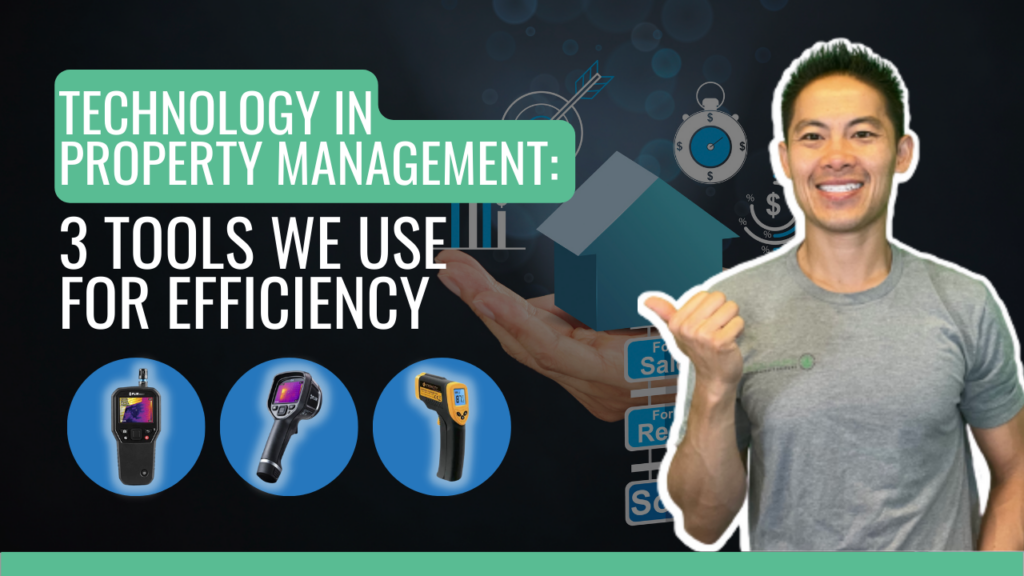
3 Tools We Use for Efficiency
At Green Ocean Property Management, we are committed to ensuring safety and comfort in all our properties. In today’s article, read about how we take advantage of property management technology with the top three tools we use for efficiency. We invest in only the best tools to diagnose and solve problems, such as the FLIR…
Experience exceptional management and elevate your property with us