
How to Handle Evictions in Boston?
Dealing with evictions in Boston is a challenging aspect of property management. For landlords and property managers, a strategic approach to handling evictions while ensuring compliance with local regulations is essential. This article will shed light on how our dedicated Green Ocean Property Management team handles this intricate procedure while adhering to Massachusetts law. …

Dealing with evictions in Boston is a challenging aspect of property management. For landlords and property managers, a strategic approach to handling evictions while ensuring compliance with local regulations is essential.
This article will shed light on how our dedicated Green Ocean Property Management team handles this intricate procedure while adhering to Massachusetts law.
Table of Contents
Handling Evictions in Boston
Step 1: Review Lease Agreement and Grounds for Eviction
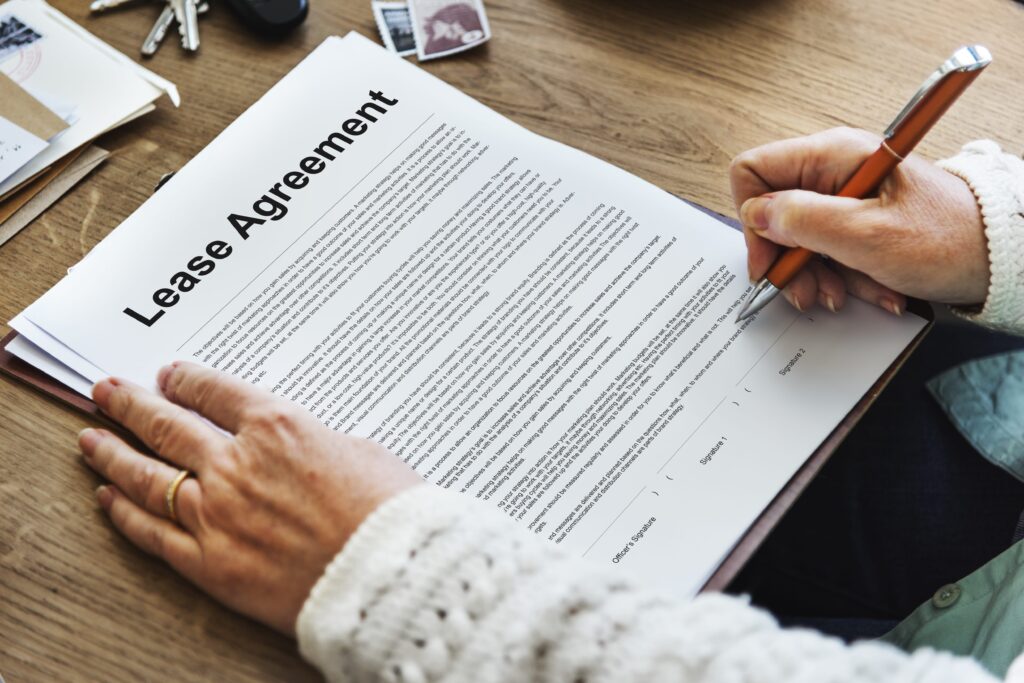
Our journey begins with a thorough review of the lease agreement. This critical step allows us to identify valid grounds for eviction, be it non-payment of rent, lease violations, or property damage.
Making sure that the eviction process aligns with the legal framework is paramount for a smooth and trouble-free resolution.
Step 2: Issue Notice to Quit
Once we establish grounds for eviction, the next move involves issuing a Notice to Quit.
This official notice serves as a communication tool, informing the tenant about the reasons for potential removal and providing a specified period to rectify the issue or vacate the property. Clarity and adherence to timelines are crucial elements at this stage.
Step 3: Court Hearing
Should the tenant fail to comply with the Notice to Quit, we proceed to the legal arena by filing a Summary Process action in the appropriate court.
This marks the initiation of the legal eviction process, culminating in a court hearing where both parties can present their case. Transparency and a fair hearing are at the core of this step.
Step 4: Execution of Eviction

With a court ruling in favor of the property owner, an Execution for Possession is issued. At Green Ocean Property Management, we take charge of coordinating with a constable or sheriff to ensure professional and lawful execution of the eviction.
Throughout this process, maintaining open communication with the property owner is non-negotiable. We understand the emotional weight of such situations and strive to ease the burden through transparent updates.
Conclusion
Embarking on a straightforward and legally compliant eviction journey isn’t just about safeguarding the property owner’s interests; it’s about minimizing stress for both property owners and tenants.
Ready to navigate the eviction process with confidence? For expert property management services in Boston, trust Green Ocean Property Management. Our commitment to a fair and thorough eviction process reflects our dedication to creating a harmonious property management experience.
Contact us today for personalized assistance and seamless property management solutions. Your peace of mind starts with Green Ocean Property Management.
Prevent Frozen Pipes: Winter Maintenance Musts for Boston Rentals
Why Frozen Pipes Are a Big Problem in Boston Boston’s sub-zero temps and unpredictable storms create the perfect storm for pipe freezes—especially in older multifamily homes and basements without proper insulation. Pipes in unheated areas (attics, crawl spaces, exterior walls) are most at risk. The Cost of Doing Nothing: A single burst pipe can lead…

Green Ocean’s Pet Application Process
At Great Ocean Property Management, we love pets. However, we have to make sure that if any of our landlords or properties allow animals, they go through a rigorous process. Interested to know the process? Read on! Submission of Forms The tenants typically submit an application online containing information about their…
How Much Does Roof Maintenance Cost?
Ever get that sinking feeling when a tenant calls about a roof leak? It disrupts their lives, damages your property, and can cost a significant chunk of change to repair. But what if you could prevent those stressful situations altogether? Regular roof maintenance isn’t just about keeping your tenants happy (although that’s a definite plus). …
Experience exceptional management and elevate your property with us