
5 Factors to Assess When Investing in a Rental Property
Becoming a landlord and achieving financial stability is a goal many are dreaming about. A great property investment may open up the opportunity for you to reach your financial goals. If you are considering investing in a rental property, you have to make your own research first and not just buy an investment rental property…

Becoming a landlord and achieving financial stability is a goal many are dreaming about. A great property investment may open up the opportunity for you to reach your financial goals. If you are considering investing in a rental property, you have to make your own research first and not just buy an investment rental property on a whim. Proper planning and preparation are essential when investing in a property.
Table of Contents
Top 5 Factors
Location

Choosing the location for your rental property investment is very important. The location decides everything. You need to make sure that you are making a wise decision when you invest in a rental property. It should be in a neighborhood where tenants would want to live in. You can check if the vacancy rate in the area is low. Safety is very important as well, so make sure the area has a low crime rate. The ideal location should be near a hospital, schools, shops and public transportation.
The rental fee you can put out for a rental property differs due to its location. An area that has a high occupancy rate means a steady flow of rental income. The potential of the property to increase its value faster is highly likely as well.
One thing you can check to know if the property is a valuable and sound investment is by comparing its value throughout the neighborhood. If the value of the properties around the neighborhood satisfies you, then most likely the value of the rental property you want to invest in would be the same.
Renter Demographics Matter
When deciding which rental property to invest in, it’s important to think about who your future tenants will be, and what they might need. The characteristics of your likely renters can shape not only the type of property you choose, but also how you present and market it.
For example, in neighborhoods close to colleges or universities, you may find more young adults or students looking to share a space. In this case, properties with multiple bedrooms and bathrooms, plus easy access to public transport, are highly attractive.
Properties in suburban areas with good schools nearby may appeal more to families. These renters often look for extra bedrooms, a private master suite, and yard space for children to play.
Meanwhile, if your area attracts business professionals—think proximity to business centers like the Financial District or tech hubs—they often seek modern amenities such as high-speed internet, dedicated workspaces, and soundproofing for remote meetings.
Key Considerations:
- Property Layout: Match the number of bedrooms or open living spaces to what your typical renter wants.
- Amenities: Consider features like on-site laundry or pet-friendly policies if they align with your target group.
- Marketing Approach: Tailor your advertising to highlight features that matter most, whether it’s the short commute to downtown, a fenced yard, or roommate-friendly layouts.
Understanding renter demographics will help you make smarter property investments and attract quality tenants more quickly.
Know the costs

Real estate property investment requires high cash capital. The expenses do not end once you have completed the purchase of the property. The common mistakes of landlords are that they underestimate or overestimate the costs, the value of the property and the rent.
Before you can put out the property for rent, there are several processes involved, therefore, you have to have enough funds for it as well. You have to be aware of your actual budget and not go over beyond your capital. Find out how much repair costs, renovation costs, and maintenance costs are needed in the rental property you want to purchase. As much as possible, look for a property that only needs minor cosmetic retouch and do major upgrades once you have enough budget for it.
You have to be prepared with the costs you will shoulder while the property is vacant, utility bills, mortgage, insurance, inspections, taxes, and permits.
It is also essential to have emergency funds to cover for any unforeseen damages and prolonged vacancies.
Should You Pay Cash or Finance Your Rental Property?
One of the initial choices you’ll face is how to pay for your investment property: will you buy it outright with cash, or will you take out a loan? Each approach carries its own pros and cons, which can impact both your short-term expenses and your long-term returns.
Paying cash for the property might seem like the safer and simpler path. You’ll avoid monthly mortgage payments and interest charges, which means lower carrying costs overall. This can help increase your monthly cash flow and provide a buffer during any vacancies. On the downside, purchasing with cash requires substantial upfront capital, which could limit your ability to invest in multiple properties or tie up funds that might be put to use elsewhere.
On the other hand, financing through a mortgage lets you spread out the cost of the property over time. While this means you’ll have monthly payments—plus interest—it also allows you to keep more of your own cash available for other investments or unexpected expenses. However, remember that financing increases your ongoing expenses, so you’ll need to make sure your expected rental income comfortably covers the mortgage, as well as other operating costs.
There’s no one-size-fits-all answer. Carefully weigh your financial resources, risk tolerance, and investment goals before making your decision.
Tax Benefits for Rental Property Investors
When diving into the world of rental property investments, it’s wise not to overlook the tax advantages that come along with it. These perks can help boost your profit margins and create additional savings every year.
One key benefit is the ability to deduct depreciation on your property. The IRS allows you to write off the “wear and tear” of your rental property over time, which means you’ll report less taxable income. Other deductions you can potentially claim include mortgage interest, repair and maintenance expenses, property management fees, insurance premiums, and even certain travel costs related to managing your rental.
Not to mention, some improvements to the property may also qualify as deductible expenses. And if you ever decide to sell, there are even strategies such as a 1031 exchange that can help you defer capital gains taxes by reinvesting in another property.
Understanding and utilizing these tax breaks can make your investment more cost-effective while keeping more money in your pocket. Always consult a qualified tax professional to ensure you maximize the benefits and comply with current tax laws.
Average Rent Rate

How much money will you make with the rental property you are investing in? You have to know the actual value of the property and how much you can have it rented out. Will it be enough to cover for all your monthly expenses and provide you your expected monthly income?
You might get over-excited and set the rental fee too high. This may cause a long vacancy period and may just increase your expenses. Start with knowing the average rental fee within your neighborhood and compare it with the value of your rental property.
Ensure that the property you want to acquire for investment can bear all your expenses and be able to provide you your expected profit.
Return of Investment

ROI is the most important thing when you enter the world of real estate. When you decide that you want to make a profitable business through rental properties, you must know your return on investment.
On simple terms, return on investment means:
- The cash you are putting into the property and how much cash you will be getting back from that investment
- How much cash flow you are getting every month
- Is it enough to cover all the expenses every month
There are a lot of factors that can affect your ROI too. The vacancy rate, maintenance costs, repairs, and other expenses are some factors that affect your ROI. If you will not get proper cash flow for the property, that means the ROI is potentially low, then that property is not worth investing in.
The One Percent Rule and Cap Rate: Quick Guides to Estimating Returns
When it comes to evaluating potential returns from your rental property, two simple tools can help you make an informed decision: the one percent rule and the cap rate.
The One Percent Rule
The one percent rule helps you quickly assess if a property is likely to generate enough monthly income. As a general guideline, your monthly rent should be at least one percent of the property’s purchase price. For example, if a property costs $300,000, you’d look for rental income of around $3,000 per month. This rule is especially handy for quickly screening properties in areas where home prices aren’t sky-high.
Capitalization Rate (Cap Rate)
In higher-priced markets—where the one percent rule might not be realistic—the cap rate becomes more useful. To calculate the cap rate, divide the property’s net operating income (annual rental income minus expenses) by its purchase price. This percentage helps you compare properties objectively, with higher cap rates generally signifying better returns relative to the property price.
Both tools let you quickly gauge whether an investment fits your financial goals before diving into a more detailed analysis.
Rental Property Depreciation

One significant advantage of owning a rental property is the ability to take advantage of depreciation. Depreciation lets you deduct a portion of your property’s value each year, accounting for normal wear and tear—even if your property is actually stable and well-maintained.
This deduction can lower your taxable income significantly, helping you offset rental income and reduce the total amount of taxes you owe. Over time, these annual deductions add up, potentially saving you thousands of dollars and improving your cash flow. Be sure to consult a tax professional or trusted resources like the IRS guidelines to understand how to maximize this benefit for your unique situation.
The current state of the Property
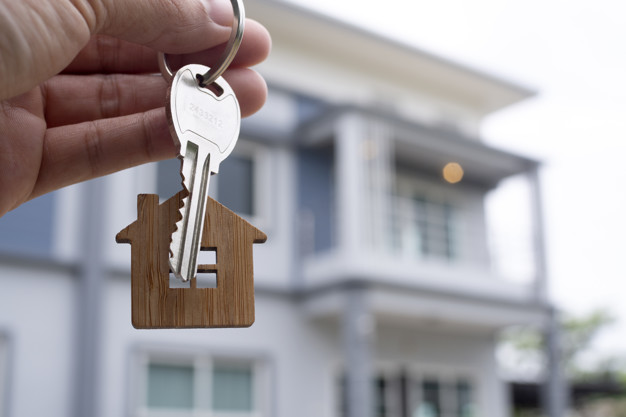
When looking for an investment property and you want to get it rented, you should aim for a property that has all its core pieces working. A property that requires a lot of repairs can be costly and may incur more problems in the future. You want a livable rental property for your future tenants. You want a property that will be functional, has less maintenance and repair expenses and reduces your liabilities. Fewer expenses mean more income for you.
Get yourself a professional and licensed inspector to conduct a thorough property inspection. Find out how much repairs are needed and how many repairs you can do yourself. Look for trusted contractors to carry out any major repairs and renovations needed in the property. Get estimates so you would know how much money you have to put into it.
If the repairs and renovations are too expensive, the property may not be worth it. You may not get enough income to cover all the expenses.
It is better to invest in a nice rental property and only add extra home features to attract better tenants. You also increase the value of the property and you can justify higher rental fees.
Reviewing Existing Lease Agreements
Now, what if the rental property you’re eyeing already has tenants living in it? This can actually be a double-edged sword.
On the upside, an occupied property means you might start earning rental income from day one. No waiting around for someone to sign a lease—the cash flow starts as soon as you take ownership. But here’s the important part: those tenants are protected by their existing lease agreements, and you, as the new landlord, will need to honor those terms until the leases expire.
That’s why it’s absolutely crucial to carefully review all current lease agreements before you close the deal. You need to know:
- The monthly rent amounts and due dates
- Lease expiration dates and any renewal guidelines
- Restrictions or clauses that may affect your ability to manage or update the property
- Security deposit arrangements and any special tenant agreements
Understanding the existing leases gives you a clear picture of your immediate obligations and helps prevent surprises. It also allows you to plan ahead for when leases come up for renewal, so you can make any necessary changes—like updating rental rates or adjusting lease terms to better match your investment goals.
Properly reviewing and planning around current lease agreements helps ensure a smooth transition, steady income, and sets you up for long-term success as a landlord.
Understanding Existing Rental Agreements
If you’re eyeing a property that already has tenants living in it, it’s important to go over all current rental agreements before making your purchase. Existing leases mean you may start receiving rental income right away, but you will also need to honor the active terms set by the previous owner.
Here’s what to keep in mind:
- Review all tenant leases: Check the timelines, monthly rent, security deposits, and any special conditions.
- Know your obligations: Until current leases expire, you can’t raise the rent or alter key rules—these contracts are legally binding.
- Plan for renewals: Once those agreements are up, you’ll have a chance to update lease terms or adjust rent, as long as you comply with local landlord-tenant laws.
In short, inherited leases can be beneficial, but it’s smart to be aware of your responsibilities and opportunities before you take ownership. This makes for a smoother transition—both for you and your future tenants.
Investing in a rental property is an effective way of generating a stable income. Real estate is in demand nowadays. As the population increases, the demand for land also increases. The prices of the properties appreciate due to its high demand. Thus, if you are looking for a profitable business, you can look into investing in rental properties.
However, you have to be strategic before entering the world of real estate. It is a tough market and one wrong move and your investment can be wiped out.
Professional Management and Syndication: Is It Worth Considering?
If all this talk of inspections, contractors, and spreadsheets starts to feel overwhelming, you’re not alone. Many new and seasoned investors discover that managing all aspects of a rental property can be a full-time job. This is where professional property management—and, for some, syndication—can become a game-changer.
By entrusting your property to a professional property manager, you benefit from:
- Expertise in tenant screening: They’ll find reliable renters faster, reducing vacancy rates.
- Efficient rent collection and accounting: No more chasing payments or juggling paperwork.
- Handling maintenance and repairs: Managers often have long-standing relationships with trusted contractors and can negotiate better rates, while ensuring quick responses to tenant needs.
- Staying compliant: They keep you up-to-date with local regulations, so you avoid costly legal slip-ups.
Alternatively, real estate syndication allows you to join a group of investors to collectively own a property or portfolio. In syndication, professionals select and manage the properties, handle renovations, and distribute profits to every investor—meaning you can invest without being hands-on in the day-to-day operations.
Both approaches take a lot of stress off your plate and can actually boost your returns. You’ll find your investment is in good hands while you focus on building your portfolio or just enjoying the income.
Takeaway
It takes a lot of research and works to be a successful rental property investor and landlord. Take your time in buying the right property for you. Be realistic with your budget and finances as it may take time before your rental property starts generating your desired income. And when you have your desired property already, we can help you manage it at Green Ocean Property Management.

Enhancing Property Security with Wireless Cameras
In today’s fast-paced world, ensuring the safety and security of your property has become more important than ever. Wireless cameras have emerged as a proactive solution for property owners, offering peace of mind and enhanced surveillance capabilities. At Green Ocean Property Management, we understand the value of advanced security measures, and in this article, we…

Ways to Reduce Vacancy Rates and Keep Properties Occupied
As a landlord, one top priority is ensuring consistently occupied properties. After all, vacant units can quickly drain your resources, wasting profits and forcing you to scramble to find new tenants. Fortunately, many ways exist to reduce vacancy rates and fill your properties with happy renters. This article will be exploring some of the most…

Rent Collection Strategies to Ensure Steady Income Flow
As a landlord, consistent rent collection is fundamental to your financial stability. Timely payments allow you to cover mortgage payments, property taxes, and maintenance costs, and generate a return on your investment. Fortunately, there are several strategies you can implement to ensure a steady income flow from your rental properties. Building a Strong…
Experience exceptional management and elevate your property with us