
Learn the difference between Emergency Repair vs. Maintenance Request
Being a responsible landlord means responding to your tenant’s emergency repair and maintenance requests promptly. Every landlord’s priority is to keep the property in its best condition to make sure their tenant is happy and satisfied. This will add value to their stay and urge them to stay longer. But when they make these requests,…

Being a responsible landlord means responding to your tenant’s emergency repair and maintenance requests promptly. Every landlord’s priority is to keep the property in its best condition to make sure their tenant is happy and satisfied. This will add value to their stay and urge them to stay longer. But when they make these requests, how would you classify if it’s an emergency repair or a maintenance request? Knowing what is the best resolution to your tenant’s request will not only save you time but also money.
Table of Contents
What’s the difference between Emergency Repair and Maintenance Request?
Tenants should also be aware of what type of request they will send to you. Some tenants think that all requests they make are emergencies. Both of you should have a clear understanding of what is an emergency repair and maintenance request. This way, issues like the doorknob is broken or the toilet is not flushing is categorized properly and necessary actions are done. This will also save you time as you know what is a priority issue and a need for a contractor to be dispatched.
It’s important to remember that not every maintenance item in an apartment, regardless of who caused it, is automatically the landlord’s responsibility. Likewise, not every issue that needs attention is truly an emergency. What may feel urgent to a tenant—like a dripping faucet or a stuck cabinet door—may not actually require immediate intervention. Setting clear expectations with your tenants about what qualifies as an emergency versus routine maintenance helps prevent confusion, ensures the right problems get addressed quickly, and avoids unnecessary stress for everyone involved.
By establishing these guidelines upfront, you’ll streamline communication, reduce misunderstandings, and make it easier to prioritize which requests need prompt action and which can wait for regular maintenance scheduling.
What should tenants do if they’re unsure?
If you’re not certain whether an issue is a true emergency, a standard maintenance request, or falls under your responsibilities as a tenant, don’t hesitate to reach out to your landlord. Clear communication is key—your landlord can help clarify the situation, let you know if it needs immediate attention, guide you through quick fixes, or explain if it’s something you should handle.
It’s always better to ask than assume. Addressing small problems early and keeping an open line of communication will help prevent bigger headaches down the road and keep the property in top shape for everyone.
Lockouts: When Is the Tenant Responsible?
Let’s face it—locking yourself out happens to the best of us. But what should you do if you find yourself standing outside your apartment or garage without a key? In most cases, if you’ve accidentally locked yourself out, you’re responsible for arranging and covering the cost of a locksmith.
If your landlord or property manager isn’t immediately available to let you in, it’s usually quicker—and honestly less awkward—just to call a local locksmith like Pop-A-Lock or AAA yourself. Be sure to save your receipt because, in nearly every case, the expense is yours to bear, whether you seek help directly or wait for your landlord (who may bill you afterward anyway).
So, as a rule: if the lockout is due to lost keys or an accidental lockout on your end, plan on calling the locksmith and covering the charges. Always check your lease to see if there are any specific instructions or contacts listed for these unlucky moments.
Emergency Repairs
- Leaks (roof leaks, sprinkler leaks, HVAC leaks, toilet, and kitchen leaks and overflows)
- Electricity Outages (not caused by the power company or breakers)
- The only Toilet in the house not working
- No hot/cold water
- Heat not working(when outside temps fall below a certain level)
- Life-Threatening situations (gas and carbon monoxide leaks)
- Security and Safety issues
When is it really an emergency? A good rule of thumb is to consider if the issue could cause injury, severe property damage, or put a resident’s health and safety at risk. If so, it’s likely an emergency and requires immediate attention.
Other common emergencies include:
- Gas leaks
- Frozen or broken water lines
- Flooding or major water emergencies
- Fire
- Carbon monoxide detection issues
- Sewer back-up
- No heat during extreme cold
- No air conditioning during extremely hot temperatures
- Extended power outages
- Intruder break-ins
Steps Tenants Should Take for Air Conditioner or Power Outages
Not every issue requires a call to your landlord right away—sometimes, the solution can be simple. For example, if your air conditioner suddenly stops working, start with these quick checks:
- Inspect the breaker: A tripped breaker is a common culprit for both AC and power issues. Locate your unit’s breaker panel and see if any switches need to be reset.
- Check the filter: If your air conditioner is blowing weak or warm air, a clogged filter might be to blame. Swap it out for a fresh one if needed, as this can often get things running smoothly again.
For power outages, it’s important to determine the source. If your entire unit loses power:
- Check breakers and fuses: Sometimes, power loss can be limited to just your apartment or specific rooms. Reset any tripped breakers or replace blown fuses.
- Contact your utility provider: If the outage extends beyond your home or is due to a neighborhood-wide issue (for example, during storms or reported work), reach out to companies like National Grid or Eversource to report the problem or get updates.
By handling these basic troubleshooting steps first, you can often resolve minor issues quickly—and know that if the problem persists, it’s time to alert your landlord for emergency assistance.
Concerns mentioned above may cause property damage and unbearable issues that may require Emergency Repairs. Landlords need to respond to these types of requests within 24 hours or faster to prevent any more damages from arising.
It’s important to remember that what qualifies as an emergency can sometimes depend on the situation. For instance, a broken air conditioner may not be urgent when the weather is mild, but during a heatwave, it quickly becomes a true emergency that affects your tenant’s health and safety. Failing to act quickly—especially with issues like major leaks or life-threatening risks—can not only worsen property damage but may also violate habitability laws.
If tenants feel their urgent needs are ignored, they might attempt repairs themselves, potentially leading to more expensive problems or legal complications.
Sometimes, tenants hesitate to call in maintenance requests because they don’t want to “bother” the landlord. However, neglecting to report issues can actually make things worse for everyone involved.
For example, moisture buildup in a bathroom—often from keeping the window closed during showers—might seem harmless at first. Over time, though, this can lead to unsightly mildew spots on the ceiling or around the window. Some tenants may panic and assume it’s a major mold problem, but in many cases, it’s simply mildew that could have been easily cleaned with a household product like bleach. When minor issues go unreported, they can gradually turn into bigger headaches or even cause damage that tenants might be held responsible for due to neglect.
The bottom line: encourage clear, prompt communication about repairs and maintenance. Addressing problems early helps prevent unnecessary costs, preserves your property, and keeps everyone on the same page.
Being proactive and attentive to these emergency situations protects both your property and your relationship with your tenants.
A top tip is to always have a local contractor willing to respond 24/7 saved on your contacts. That way If your tenants call and require an emergency repair, you can send one right away.
At the same time, it’s important to encourage tenants to report maintenance issues—big or small—as soon as they arise. Sometimes tenants hesitate to reach out, worrying about bothering you with what they perceive as minor concerns. However, failing to report a problem can allow it to escalate, leading to more extensive (and expensive) damage or even tenant liability if negligence is involved. For example, moisture buildup from not ventilating a bathroom can slowly create mildew or even mold, which is much easier to address early on than after months of neglect. Prompt communication prevents these situations from snowballing into larger headaches for both parties.
What to Do if a Utility Provider Causes a Power Outage
If your power goes out and it seems to be affecting more than just your unit or is clearly due to a wider issue in your area, it’s likely caused by your utility provider (like Southern California Edison, PG&E, or your local electricity company). In these cases, reach out directly to the utility company for updates and estimated restoration times. Landlords typically can’t resolve outages stemming from citywide or neighborhood power grid issues, so contacting the provider will get you faster updates and assistance.
Remember, it’s a good idea to have your utility provider’s emergency contact information on hand for situations like these. This helps you stay informed and ensures you get the support you need as quickly as possible.
Being a landlord often means juggling several tasks at once, and sometimes, life simply gets in the way. If you find yourself unable to respond swiftly to emergency repair requests, don’t panic—there are proactive steps you can take to keep your tenants safe and your property protected.
First, consider putting systems in place before issues arise:
- Hire a reputable property management company. Outsourcing day-to-day management to trusted professionals (such as Greystar, Cushman & Wakefield, or FirstService Residential) ensures your tenants always have someone to reach in a pinch.
- Maintain a list of reliable, local contractors. Build relationships with plumbers, electricians, and HVAC specialists who are willing and able to handle urgent calls at short notice.
- Set clear communication expectations. Let your tenants know how to reach you and what to do if they can’t. Provide an emergency contact list—including your preferred contractors—so tenants aren’t left stranded.
If you frequently travel or manage properties remotely, a local property manager or concierge service can be invaluable. Ultimately, being responsive is a fundamental part of being a successful landlord, and ensuring emergency concerns are handled promptly helps foster a safer, happier home for your tenants.
Examples of Maintenance Requests
- Flooring Issues (cracked tiles, dirty carpet, or ripped)
- Windows/Doors will not open or shut properly
- Paint/Wallpaper is peeling off
- Minor plumbing issues
- Light fixture not working
There are more which can be added to this list. As a responsible landlord, you have to make sure that your rental property is habitable and should check your local requirements of what that means. You should prioritize any maintenance requests that can cause any health and safety concerns as well as damage to your property. Routine maintenance inspection of the property at least every 6 months can help lessen the unexpected tenant calls. Be mindful of the changing season too. For example, in the winter seasons, inspect doors and window seals properly, and ensure sidewalks and path walks are safe.
When it comes to handling maintenance requests, it’s important to distinguish between emergencies and non-emergencies. If the maintenance issue is not urgent, tenants should still submit a work order—even if it’s after hours. These non-emergency items will be addressed during regular business hours or on the next business day. Remember, non-emergency requests will be handled after urgent matters have been resolved, so a bit of patience goes a long way. As a landlord, do your best to address all maintenance issues as quickly as possible, but always on a priority basis.
Your tenants are capable of doing some maintenance too, like replacing the air conditioner filter, unclogging a toilet, and resetting a breaker.
Encouraging tenants to handle simple tasks can save everyone time and prevent small problems from becoming big headaches. Here are a few examples of maintenance items tenants can often handle on their own:
- Replacing burnt-out lightbulbs: Most tenants can easily swap out a standard bulb. If a fixture is out of reach, they might need your help, but for most cases, it’s a quick DIY fix.
- Changing smoke detector batteries: That persistent chirping means it’s time to pop in a new battery, which can be found at any grocery or hardware store.
- Swapping out air filters: Keeping air conditioning units running smoothly—and air quality high—is as easy as picking up a filter at Home Depot or Lowe’s and replacing it every few months.
- Resetting a garbage disposal: Most disposals have a reset button underneath. Encourage tenants to check for this before calling for help. Remind them, though, not to put bones, silverware, or other items that can cause jams down the disposal.
- Using a plunger for a clogged toilet: A basic plunger can resolve most minor clogs. Make sure tenants know not to flush paper towels, wipes, or other non-flushables, as these can lead to bigger issues—and potentially extra costs if a plumber is needed.
By empowering tenants to take care of these minor fixes, you’ll reduce unnecessary maintenance calls and help keep your property running smoothly.
Already submitted a request and need to change your mind? See our guide on how to cancel a maintenance request.
When is it time to hire a Professional?
If you’re a handyman yourself, you can do some of the repairs around the house. Simple replacement of doorknobs, some paint jobs, and plumbing repairs too. However, if the job is quite big to carry out yourself or require a permit, it’s time to get a licensed professional. Creating a good relationship with established Maintenance Professionals in the area can help you with completing your emergency or large repairs immediately.
At Green Ocean Property Management, we respond to any of your emergency and maintenance requests immediately. We offer 24/7 Maintenance Services. We make our process simple and we make sure you can easily contact us. We have a team you or your tenant can reach via email or phone to submit requests to, and then we will send our reliable workers to address your concern. We do this to ensure that we will offer the best resolution and repair or replace any system within your expected time frame.
As part of our innovation, we have updated the way we handle maintenance requests using a system called Property Meld. This is no cost to our landlords and improves their ability to see what’s happening with their properties.
If you are a property owner with Green Ocean Property Management, you’ll be able to receive updates on maintenance requests, chat directly with your property manager, and more! Property Meld is 100% free for you.
Green Ocean Property Management has already entered your information in the system. When a tenant requests maintenance at a property you own, you will receive an email notification. You will also be notified when maintenance is scheduled, and when the work is completed. Finally, should the property manager need to contact you for any reason, you will receive an email you can securely respond to (or if you wish, a text message!)
In our 40 years in the business, we are able to innovate a systematic approach in taking care of your property. We have built a strong relationship with our clients because of this. We send out the best local service providers who have years of experience. They work with our property managers and maintenance coordinators to ensure the properties are in their top shape. We address any maintenance requests promptly. They are trusted in the field and you have the assurance that you get your money’s worth.
We offer a Bi-Annual Inspection. Routine inspections are essential in running your rental property business smoothly. Our comprehensive reports consist of a formal statement with photos and videos that describes the current condition of your property, reports for any glaring issues and scheduling approved repairs on the report. We offer a Full Management Service Solution, we will take care of all the services and repairs that are needed to be done.
We offer the best solution and at the same time stick with your budget. To learn more about our emergency repair services, electrical, plumbing, HVAC and maintenance services, you may reach us at hello@greenoceanpm.com or call 617-487-4868. You may also visit our office at 268 Centre St Newton MA 02458.
Frequently Asked Questions
What is a maintenance emergency?
A maintenance emergency is a situation that poses an immediate risk to health, safety, or property, requiring urgent attention. Examples include severe leaks, gas leaks, or electrical failures that could lead to hazardous conditions.
What is emergency maintenance?
Emergency maintenance refers to urgent repairs needed to address immediate threats to health, safety, or property integrity. Examples include severe plumbing leaks, electrical failures, or heating system breakdowns in extreme weather, requiring prompt attention to prevent further damage.
What are emergency repairs?
Emergency repairs are urgent issues that pose immediate risks to health, safety, or property, such as burst pipes, gas leaks, or electrical failures. Prompt attention to these repairs is essential to ensure tenant safety and property integrity.
What qualifies as a maintenance emergency?
A maintenance emergency qualifies as a situation that poses an immediate risk to health, safety, or property, such as severe leaks, electrical failures, or heating system breakdowns in extreme weather.
How to identify emergency maintenance needs?
Identifying emergency maintenance needs involves recognizing situations that pose an immediate risk to health, safety, or property integrity. Common emergencies include severe leaks, electrical failures, or gas odors that require urgent attention.
What are common examples of emergency repairs?
Common examples of emergency repairs include severe plumbing leaks, electrical outages, heating or cooling failures during extreme weather, and structural issues like roof collapses. Prompt attention to these situations is essential to ensure tenant safety and property integrity.
How quickly should emergency repairs be addressed?
Emergency repairs should be addressed immediately, ideally within a few hours, to ensure tenant safety and prevent further property damage. Prompt action enhances tenant satisfaction and maintains the overall value of the property.
What steps to take during a maintenance emergency?
The steps to take during a maintenance emergency include immediately contacting your property management team, ensuring your safety first, and following any emergency protocols provided. Prompt reporting helps address urgent issues swiftly and effectively.
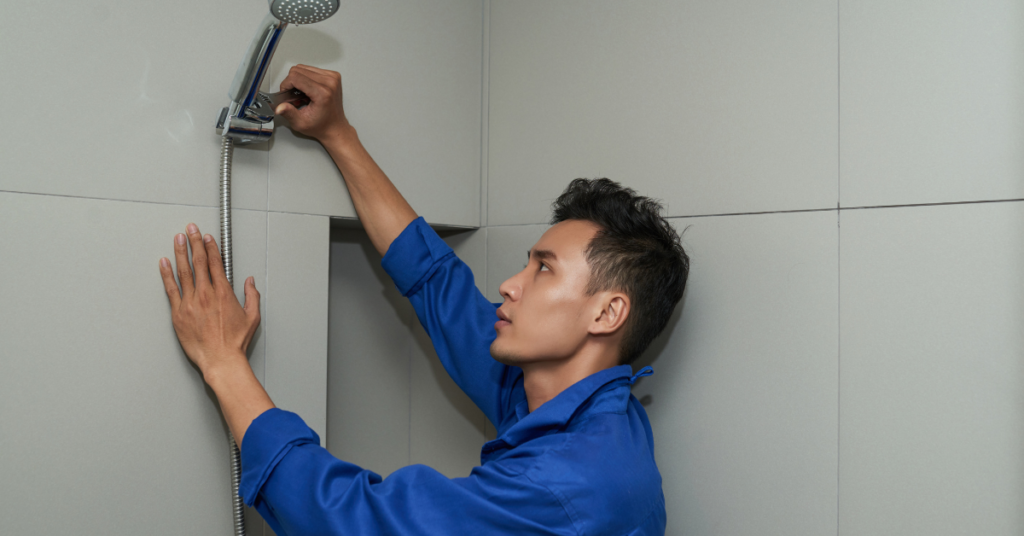
Efficient Shower Repair with Green Ocean Property Management
In the world of plumbing and property management, it’s essential to have a reliable team that can efficiently tackle issues as they arise. We will share the encounter with one of our favorite Green Ocean Property Management plumbers, witnessing their proactive and cost-effective approach to solving a common problem; a leaking pipe behind a fully…

Protect Your Property With Our Expert Slate Roof Care
Slate roofs exude elegance and timeless beauty, but they come with unique challenges that set them apart from asphalt roofs. At Green Ocean Property Management, we understand the intricacies of slate roof maintenance and are here to ensure your investment remains safe and sound. This article will delve into the essential aspects of slate roof…

How We Plan Out Renovations
Renovations entail a lot of planning, but you don’t have to do it alone. We plan out renovations in a way that no penny or day is wasted. In today’s article, we will explain how our staff will handle your renovation and get it done extremely quickly. There will be no missed days or…
Experience exceptional management and elevate your property with us