
Must-Ask Questions during a Landlord Reference Check
Reading Time: 3 minutes During a landlord reference check, we usually ask a lot of questions to make sure that our tenants are screened properly. In this article, we will cover what is a landlord reference and what are the questions that we ask to successfully screen a tenant. What is a landlord reference? Landlord…
During a landlord reference check, we usually ask a lot of questions to make sure that our tenants are screened properly. In this article, we will cover what is a landlord reference and what are the questions that we ask to successfully screen a tenant.
What is a landlord reference?

Photo from Michael Burrows of Pexels
Landlord reference is when we call a previous or current landlord. We as a property management company actually call two landlords. Why two? Because the current landlord might just say anything to get the tenants out if they are a horrible tenant. They might say, “Yes they’re fantastic, yes they pay their rent” and then we might say, “Great!” Once we take them in, we are assuming the problems that these people want to get rid of. If we ask two landlords, most likely they’re going to tell the truth since we have another reference that we can mention while asking them.
Why Combine Landlord References with Other Screening Methods?
While speaking with past or current landlords is a key step, it’s not a magic bullet for uncovering the perfect tenant. Even the most well-meaning landlords can sometimes mix up details, especially when managing large apartment buildings, or they may give overly positive feedback just to speed up the move-out process. That’s why we never rely solely on those conversations.
Instead, we use landlord references as just one part of a bigger puzzle. By also checking credit reports, criminal backgrounds, income verification, and eviction history, we get a much clearer picture of each applicant. This way, we can spot inconsistencies, avoid surprises, and feel confident that we’re making the best decision—not just taking someone’s word for it.
To give you an overview, below are some of the questions that we ask:
- Have the tenants paid their rent on time?
- Have they paid all their rent?
- How have they been as residents? Have there been any neighbor complaints?
- What about the condition of the property? Are they treating it with care?
Now they’ve taken care of the place properly. So what else is going to be important when we’re asking a landlord?
- Would you rent to them again?
We need to hear their pauses. They might say, “Yeah we can rent to them again.” then that hesitation might be like, “Okay, what is it that you wouldn’t rent to them again? What about them would you change?” and they might say, “Well, they park their cars on the grass or they have a really loud dog.” You are allowed to ask these types of questions.
And that brings us to our next and last question:
- Have they fulfilled every lease obligation or broken any of the rules and regulations that you provided to them?
If there’s any hesitation, we dig further into it. If we have the right answers for all of these questions, we then proceed with the application and approve them. But if some issues or problems come up, we thoroughly check their application and take time in the approval process.
Making Sense of the Responses
The information you gather from previous or current landlords is incredibly valuable, but it’s important to look beyond the surface. Sometimes, the details you receive may be colored by the landlord’s personal opinions or experiences, so always weigh the feedback objectively.
Here’s what to consider as you review their responses:
- Patterns of Behavior: If you hear repeated comments about late rent or property damage from more than one landlord, it’s a red flag. On the other hand, consistent praise across different landlords is a strong positive sign.
- Specific Examples: Listen for concrete stories—like, “They always shoveled snow for the neighbors” or “They hosted loud parties every weekend.” These details help you get a fuller picture of what to expect.
- Subjectivity: Some landlords may be more lenient or strict than others. Try to identify what’s an objective fact (missed payments, lease violations) versus a subjective opinion (“not very friendly”).
- Hesitation and Tone: As mentioned earlier, sometimes what’s not said is just as important as what is. Pauses, hesitations, or vague answers usually mean there’s more beneath the surface—don’t be afraid to politely probe further.
By combining thorough questions with thoughtful review of the answers, you’ll have a much clearer sense of whether the applicant is likely to be a great tenant or if you need to be cautious moving forward.
As a recap, those are the questions that we ask to previous or current landlords. If you or anyone else you know, is looking for a property manager that can help you screen tenants, please think of Green Ocean Property Management, you get more than a property manager, you get peace of mind.

Solving Leaky Windows with Green Ocean Property Management
Reading Time: 3 minutesStanding on a picturesque patio, and enjoying the outdoors, is one of life’s simple pleasures. However, leaky windows and roof leaks can ruin that blissful experience. If you’re facing such issues, fret not! We understand the significance of maintaining a dry and cozy living space at Green Ocean Property Management. Our team of experts is…

Why A Management Fee Is An Investment Not An Expense
Reading Time: 4 minutes For this week’s property manager message, I have a special one today as this is a 9/1 turnover. This means that there are thousands of units across greater of Boston turning over. There are lots of tenants moving out with new tenants moving in, which means cleaning, as well as some repairs, as well…
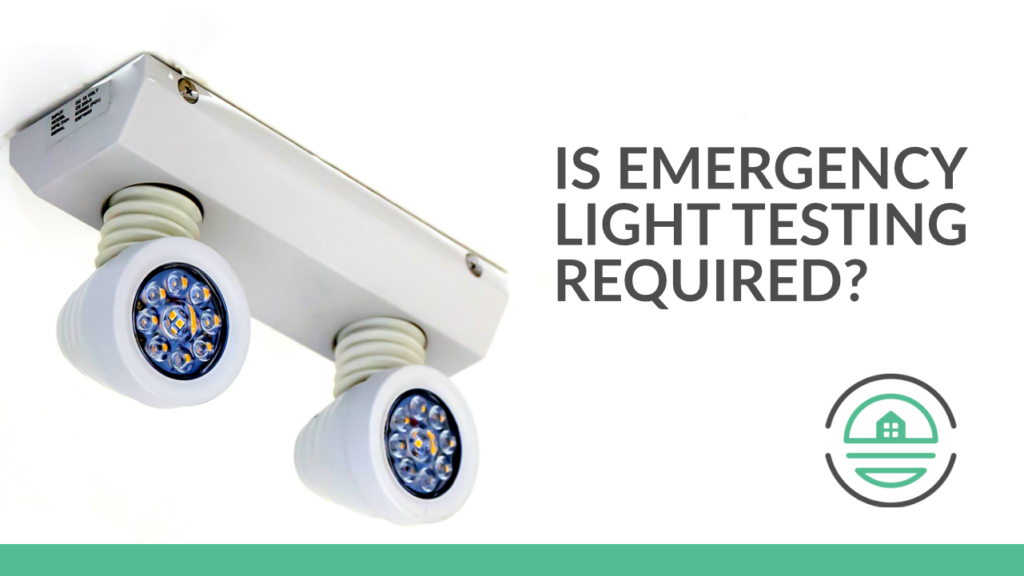
Is Emergency Light Testing Required?
Reading Time: < 1 minute With every single commercial building, whether it’s in a condo association, bigger commercial buildings, or even on multi-family homes, there is emergency lighting. Did you know that emergency lighting has batteries? Sometimes, they are also hardwired but there are batteries within the lights and they have to be tested all the time. When…
Experience exceptional management and elevate your property with us