The Unique Challenges of Urban Property Management in Boston
Reading Time: 15 minutesUrban property management in a bustling city like Boston presents a myriad of challenges that require a nuanced approach. From the intricacies of residential property management to the complexities of commercial and mixed-use properties, the unique urban landscape demands a tailored strategy. In this article, we explore the distinctive challenges faced by property managers in…
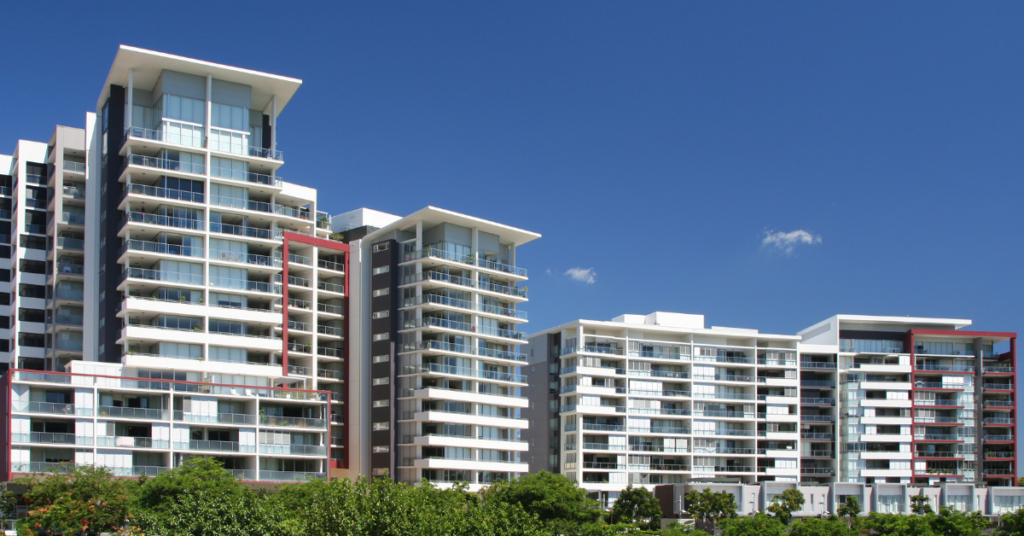
Urban property management in a bustling city like Boston presents a myriad of challenges that require a nuanced approach. From the intricacies of residential property management to the complexities of commercial and mixed-use properties, the unique urban landscape demands a tailored strategy.
In this article, we explore the distinctive challenges faced by property managers in Boston, shedding light on the strategies employed to navigate the intricacies of urban living.
Table of Contents
Understanding Urban Property Management
Urban property management involves the oversight and administration of various property types within a city environment. This encompasses residential, commercial, and mixed-use property management and the intricate tasks associated with each, such as property leasing, maintenance, and creating a sense of community.
The Role of Smart Building Systems
Modern urban property management relies heavily on technology to keep buildings operating smoothly and efficiently. Property managers now have an array of systems at their fingertips that can be monitored and controlled remotely, offering both convenience and peace of mind—no matter where the building is located in the city.
Among the most commonly managed systems are:
- Heating and Cooling (HVAC): Real-time alerts from smart thermostats and sensors, such as those by Nest or Honeywell, help ensure temperatures stay within comfortable and safe ranges.
- Water Systems: Leak detection and temperature monitoring tools can catch potential issues early, whether it’s a drop in hot water temperature or signs of a leak—helping to prevent costly damage.
- Access Controls: Digital entry systems powered by brands like Schlage or Kisi allow for secure, flexible building access that can be managed from anywhere.
- Surveillance Cameras: Modern video surveillance platforms provide round-the-clock remote monitoring, helping to keep residents safe and secure.
- Building Automation Platforms: Centralized dashboards tie these systems together, sending instant alerts to property management staff based on customizable rules and procedures.
The beauty of these smart systems is that they’re not just restricted to new construction—retrofitting older properties is not only possible but increasingly common, bringing legacy buildings up to today’s standards. Around-the-clock monitoring, quick troubleshooting, and seamless communication with specialized vendors mean residents experience fewer disruptions, and property managers can address issues long before they evolve into bigger problems.
Pathways to Success: Building a Solid Foundation in Urban Property Management
What sets apart successful property managers in a busy city like Boston? In many cases, it’s a blend of real-world experience, hands-on learning, and a network built on trust and longevity.
For many, the journey begins by wearing multiple hats—whether working in real estate brokerage, handling property sales and rentals, or taking on maintenance and construction projects firsthand. Securing credentials, such as a contractor’s license, provides a practical understanding of property upkeep and compliance with city codes—critical skills when navigating older urban buildings or overseeing renovation projects.
Family background can also play a major role, especially for those who grew up around property development or management. Passing down knowledge and responsibilities through generations builds a legacy of expertise and continuity, which can be invaluable when forging long-term relationships with local residents and vendors.
Finally, expanding a portfolio over time—whether by starting with a handful of residential buildings or acquiring a collection of historic properties—allows managers to hone their skills and adapt to the city’s evolving market demands. This growth, rooted in both personal dedication and community involvement, lays the groundwork for managing some of Boston’s most iconic properties.
Paths and Passions: Why Some Choose Urban Property Management
For many professionals, the journey into urban property management is both purposeful and deeply personal. Often, it starts with a passion for city life and the unique opportunities metropolitan areas provide. Some enter the industry through real estate brokerage or leasing, experiencing firsthand the ebb and flow of the urban property market. Unexpected turns—such as shifts in market conditions—can spark a shift toward new specializations, like property management or construction, broadening skills and deepening expertise.
Family roots and personal connections also play a pivotal role. It’s common to find individuals who grew up around the business, learning the nuances of tenant relations or building operations from relatives. When the chance arises to step in and help with family ventures or take the reins after a loved one’s career, many seize it—building on legacies and expanding their network within the local community.
Ultimately, those who flourish in urban property management are drawn to the variety and complexity of city properties, the sense of community they help foster, and the continual learning the field demands. Whether motivated by the desire to uphold a family tradition, respond to market changes, or leverage local ties, these professionals find fulfillment in shaping the places people call home—and in the ever-evolving cityscape that makes each day distinct.
Unique Challenges of Urban Property Management in Boston
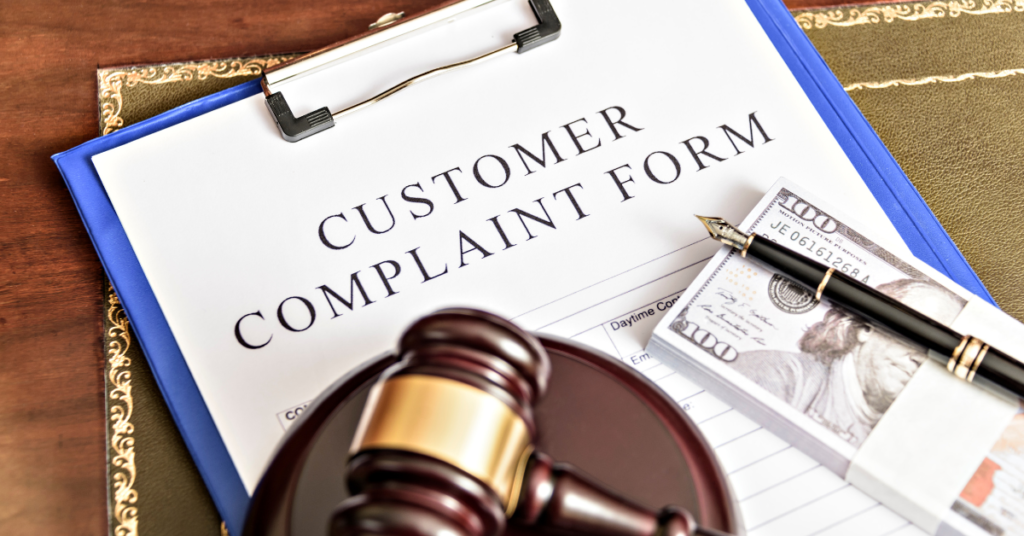
Challenge #1: Managing Noise and Traffic Complaints
The vibrant energy of urban life often comes with the downside of increased noise and traffic. Property managers in Boston must skillfully address complaints from residents about disturbances, finding a delicate balance between the city’s dynamic atmosphere and the need for a peaceful living environment.
Property managers can mitigate these challenges by:
- Installing Soundproofing Measures: Implement soundproofing solutions within buildings to minimize disruptions.
- Establishing Quiet Hours: Collaborate with tenants to establish designated quiet hours, fostering a harmonious living environment.
- Providing Transportation Alternatives: Offer information about alternative transportation options to reduce traffic congestion.
- Advocating at the City Level: Engage with local authorities to advocate for noise and traffic mitigation measures that benefit the entire community.
Embracing Technology: How Automated Robotic Parking Garages Operate
Boston’s surge in smart residential developments has ushered in the era of fully automated robotic parking garages—a solution that’s both space-saving and seamless for city dwellers. So, how do these systems actually work in practice?
At their core, automated parking garages rely on advanced robotics and artificial intelligence to handle vehicles efficiently. Here’s what residents can typically expect:
- Touchless Entry and Control: Tenants use a mobile app or key fob to access the parking system, eliminating the need for traditional keys or tickets.
- Vehicle Drop-Off: Drivers pull their car into a designated entry bay, exit the vehicle, and let the automated system take over.
- Automated Parking Process: A robotic platform or lift—often guided by sensors and cameras—transports the vehicle to an available parking spot. Brands like Westfalia, ParkPlus, and Klaus Multiparking have designed such systems for urban high-rises nationwide.
- Security and Surveillance: 24/7 video monitoring and enhanced access controls ensure cars remain secure while accommodating building security protocols and, in Boston, even historic preservation guidelines.
- Effortless Retrieval: When it’s time to leave, residents simply request their car via the app. The system automatically retrieves the vehicle and delivers it back to the entry bay within minutes.
By blending modern convenience with rigorous safety standards, these systems not only maximize valuable urban space but also enhance the overall residential experience.
Challenge #2: Keeping Urban Properties Safe and Secure
Security is a paramount concern in any urban setting. From residential properties to commercial spaces, property managers in Boston must implement robust security measures to safeguard tenants, their belongings, and the property itself.
Strategies include:
- Installing Security Cameras and Alarms: Implement visible security measures to deter potential criminal activities.
- Conducting Regular Security Inspections: Regularly assess and enhance security protocols to ensure a safe environment.
- Tenant Involvement: Collaborate with tenants to implement personal security measures, such as locking doors and windows.
- Advocating for Increased Security Measures: Engage with local authorities to advocate for increased security measures at the city level.
Challenge #2.1: Embracing Smart Technology for Enhanced Convenience
Modern urban properties are rapidly adopting smart home technology, offering residents greater control and peace of mind. Today, many apartment buildings and condos are equipped with integrated systems that allow tenants to manage vital features directly from their smartphones.
For example, residents can:
- Access the Building Remotely: Use apps like Kisi or ButterflyMX to unlock entry doors or grant temporary access to guests.
- Adjust Window Blinds and Lighting: Platforms such as Lutron let tenants open or close blinds and tweak lighting without leaving their couch.
- Monitor Security Systems: Check live camera feeds, receive security alerts, and even arm or disarm alarm systems via apps from Ring or ADT.
- Control Entertainment and Comfort: With technology like Google Home or Amazon Alexa, tenants can set the thermostat, turn on the television, or play music—all with a phone tap or voice command.
Incorporating these smart features not only heightens convenience, but also enhances the living experience for tech-savvy urban dwellers.
Challenge #2A: Adapting Property Management Practices During COVID-19
The COVID-19 pandemic required urban property managers to pivot swiftly, implementing health and safety measures on the fly to protect both residents and staff. Maintaining building safety and reassuring tenants became a top priority against a backdrop of uncertainty.
Key adaptations included:
- Enhanced Cleaning Protocols: Many properties secured EPA-approved disinfectants and increased the frequency of cleaning in high-touch common areas such as lobbies, elevators, and laundry rooms.
- Sanitization Stations: Hand-sanitizer dispensers were installed at main entrances, elevators, and other high-traffic points to promote hygiene throughout the building.
- Technology-Driven Solutions: Remote surveillance and contactless entry systems helped minimize in-person interactions and ensured continued security and operations while supporting social distancing.
- Proactive Communication: Regular updates were provided to tenants, outlining new health guidelines, changes to building access, and other safety initiatives.
- Collaboration with Residents: Fostering a sense of community and collective responsibility, property managers worked closely with residents to encourage compliance with public health advisories.
These rapid adjustments not only minimized risks during a global health crisis but also set a new standard for building safety in urban environments.
Challenge #3: Partnering with Mechanical and Plumbing Service Providers for Better Building Maintenance
Strong partnerships between property managers and mechanical/plumbing service contractors are vital for the seamless upkeep of urban properties. In a city like Boston, where building systems must be both efficient and reliable, these collaborations offer a number of distinct benefits—especially when emergencies arise.
Here’s how these relationships help keep buildings running smoothly:
- Rapid Emergency Response: Close coordination with trusted mechanical and plumbing partners ensures swift action when an urgent issue—like a loss of heat, cooling, or hot water—disrupts a property. Having established protocols with service providers means less downtime for residents and businesses.
- Long-Term Equipment Planning: Professional contractors bring valuable expertise to equipment lifecycle planning. With their input, property managers can create multi-year budgets and forecasts, making it easier to plan for timely upgrades or replacements and avoid costly surprises.
- Maximizing Cost Savings: Service providers are well-versed in local incentive programs and energy-efficient technologies. By working together, property managers can take advantage of rebates to upgrade building systems—resulting in improved performance, reduced operational costs, and increased value for tenants.
- Building Community and Trust: These collaborations foster a team approach, with vendors and managers working together to maintain high standards of professionalism. This shared commitment strengthens overall relationships—offering peace of mind to tenants who depend on reliable building infrastructure.
Ultimately, partnering with mechanical and plumbing experts not only addresses daily maintenance needs but also prepares urban properties for both routine and unexpected challenges.
Mechanical systems are the backbone of any urban property, and their ongoing health is essential for resident comfort and operational efficiency. Property managers in Boston employ a proactive, strategic approach to maximize equipment lifespan and minimize costly disruptions.
Key strategies include:
- Long-Term Budgeting and Maintenance Planning: Property managers create comprehensive multi-year budgets, allowing for ongoing assessment of equipment conditions and careful tracking of replacement cycles. This forward-thinking approach helps avoid unexpected breakdowns and ensures smoother financial planning.
- Leveraging Energy-Efficient Upgrades: Utilizing utility rebates and incentives, property managers can replace aging systems with energy-efficient models from trusted brands like Trane, Carrier, or Lennox. Modern systems not only reduce operating costs but also extend service intervals and improve tenant satisfaction.
- Regular System Assessments: Scheduled inspections by certified HVAC specialists help identify wear-and-tear early, enabling timely repairs or upgrades before issues escalate.
- Prioritizing Preventive Maintenance: Consistent preventive maintenance—including filter changes, cleaning, and performance checks—maintains optimal system performance and helps keep heating, cooling, and hot water systems running reliably throughout Boston’s unpredictable seasons.
Proactive attention to these essential building systems helps property managers not only anticipate future needs but also ensure a comfortable, energy-efficient environment for everyone.
Challenge #4: Safeguarding Building Technology and Data
As technology becomes an integral part of managing urban properties, protecting building data and systems is more important than ever. Property managers in Boston must ensure that both resident information and operational technology remain secure and reliable.
Key strategies for maintaining a secure tech infrastructure include:
- Credentialed Access: Limit system access to only authorized personnel using secure passwords and multi-factor authentication.
- Robust Firewalls: Install and regularly update firewalls to block unauthorized intrusions and defend your network from cyber threats.
- Redundant Backups: Schedule frequent data backups and store copies in secure, offsite or cloud-based locations to prevent data loss in emergencies.
- Continuous Monitoring: Implement real-time monitoring of building systems and security logs to quickly detect and respond to suspicious activity.
- Regular Updates: Keep all software, including building management platforms and antivirus protection, up to date to guard against vulnerabilities.
By prioritizing these protective measures, property managers can confidently harness technology to streamline operations while keeping both their tenants’ data and building functions secure.
Challenge #5: Leveraging Mobile-Enabled Alerts for Proactive Building Management
Staying one step ahead is essential in the fast-paced world of urban property management, especially in a tech-forward city like Boston. Modern property managers now rely heavily on mobile-enabled alerts and real-time notifications to monitor and respond to building issues—no matter where they are in the city.
Mobile alert systems offer several distinct advantages:
- Instant Notifications: Building teams receive real-time updates about equipment malfunctions, maintenance needs, or security concerns directly to their smartphones or tablets, enabling swift action.
- Remote Problem-Solving: Staff can communicate, coordinate, and even initiate troubleshooting tasks while off-site, making it feel like they’re on call 24/7—even if they’re stuck in downtown traffic or managing properties across different neighborhoods.
- Streamlined Communication: These platforms help teams stay connected, ensuring that the right people are notified based on the specifics of each situation and that no detail slips through the cracks.
- Cost and Stress Reduction: Fast response times prevent issues from escalating, which saves both time and money for property owners and keeps tenants reassured.
Embracing technology like this not only elevates the efficiency of property management teams but also ensures that urban properties run smoothly in a world where time and responsiveness are critical.
Challenge #6: Managing Waste and Recycling in Urban Properties
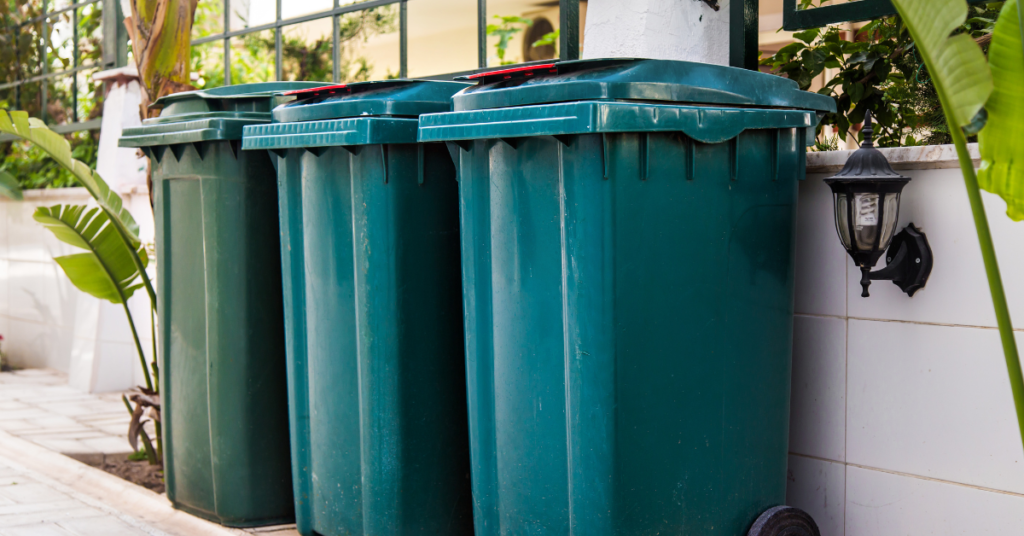
Efficient waste and recycling management pose unique challenges in densely populated urban areas. Property managers play a crucial role in coordinating waste disposal services and promoting environmentally friendly practices among tenants.
Dealing with the volume of waste in urban areas necessitates effective waste management strategies:
- Convenient Access to Recycling Bins: Place recycling bins strategically to provide tenants with easy access.
- Tenant Education: Educate tenants on proper waste disposal practices to promote recycling and reduce environmental impact.
- Efficient Waste Disposal Services: Collaborate with waste management companies to ensure efficient and cost-effective waste disposal.
- City-Wide Initiatives: Participate in or advocate for city-wide waste management initiatives to address broader urban challenges.
Challenge #7: Making Urban Properties More Energy-Efficient
In a city committed to sustainability, property managers must explore ways to enhance energy efficiency in urban properties. This includes implementing energy-saving technologies, encouraging eco-friendly practices, and staying abreast of local regulations and incentives.
Urban buildings can be energy-intensive, but property managers can promote sustainability by:
- Upgrade to Energy-Efficient Appliances: Replace outdated appliances and lighting fixtures with energy-efficient alternatives.
- Weatherizing Buildings: Implement measures to reduce heat loss and gain, optimizing energy consumption.
- Tenant Education on Energy Conservation: Encourage tenants to adopt energy-saving practices within their living spaces.
- Exploring Renewable Energy Sources: Consider and implement renewable energy solutions, such as solar panels.
Beyond these ongoing efforts, property managers are also planning for the long term. Many work closely with service providers to develop multi-year budgeting plans, tracking the lifespan and efficiency of building systems—such as heating, cooling, and hot water—well into the future. By leveraging available rebates and incentives, they can upgrade to more efficient equipment, reducing operating costs for both owners and tenants. In emergency situations, having these proactive plans in place ensures that critical systems can be restored quickly and energy-efficiently, helping minimize disruptions and keep buildings running smoothly.
Challenge #8: Using Technology to Prevent and Respond to Equipment Failures
Urban property managers are leveraging technology to prevent those unpleasant surprises—like coming home to a cold shower after a long commute—by proactively monitoring building systems and responding before residents even notice there’s a problem.
A multi-layered approach is key:
- Remote Monitoring Systems: Modern buildings are equipped with water, temperature, and pressure sensors that continuously track essential equipment such as boilers and HVAC units. If something is operating outside normal limits—say, the hot water heater cools off unexpectedly—alerts are sent in real time to property management staff.
- Automated Alerts and Response: Cloud-based platforms and mobile apps instantly notify staff, allowing property managers to dispatch maintenance teams or specialized vendors with speed and precision. This immediate response helps address malfunctions before they escalate.
- Upgrades for Older Buildings: Even properties with a bit more history can benefit, as existing infrastructure can be retrofitted with smart sensors and automation tools to enable remote diagnostics and timely repairs.
- Secure, Redundant Data Infrastructure: To support these digital tools, robust network security measures—think firewalls, encrypted data storage, and regular backups—are essential. This ensures sensitive building information is protected, and remote management capabilities remain available during emergencies.
By integrating these technologies, property managers aren’t just fixing problems—they’re preventing inconvenience, reducing costs, and building trust with residents by quietly keeping things running smoothly in the background.
Enhancing Older Buildings with Modern Technology
Retrofitting older buildings with modern sensors and smart technology delivers significant advantages. By installing updated sensors—such as those equipped with remote monitoring capabilities—property managers gain real-time insights into the building’s systems. This allows for early detection of issues like HVAC malfunctions, water leaks, or electrical inefficiencies, helping to prevent costly repairs and extend the lifespan of critical infrastructure.
Key benefits include:
- Proactive Maintenance: Sensors can alert management to subtle changes before they become major problems, reducing downtime and emergency repair costs.
- Increased Operational Efficiency: Remote access makes it easier to monitor performance and make adjustments promptly, optimizing energy use and building comfort.
- Reduced Utility Expenses: Smart technology often pinpoints inefficiencies, illuminating opportunities for savings on electricity, heating, and water.
- Enhanced Tenant Satisfaction: Predictive maintenance results in fewer disruptions, ensuring a more comfortable living or working environment.
Integrating these advanced solutions not only modernizes older properties but also supports sustainability goals and boosts long-term property value.
Challenge #9: Showcasing Adaptive Reuse and Cutting-Edge Technology in Boston High-Rises
Boston’s rich architectural heritage is alive and well, thanks to innovative adaptive reuse projects that seamlessly blend historic charm with modern advancements. Recent examples highlight how property managers can both preserve the city’s legacy and introduce state-of-the-art amenities for residents.
A striking instance is an eight-story boutique condominium that transformed a vacant 19th-century Greek church in the vibrant South End. This project not only honors Boston’s historical character but also brings advanced technology to the forefront—offering residents features such as app-controlled building access, automated window shades, and smart-home security systems.
Similarly, a prominent downtown development overlooking the Rose Kennedy Greenway showcases the city’s first fully automated robotic parking garage. Here, an array of sensors and an Automated Guided Vehicle (AGV) system swiftly parks and retrieves cars, optimizing space and convenience while maintaining strict adherence to historic preservation guidelines. Surveillance cameras and sophisticated access controls further enhance both security and the overall resident experience.
These adaptive reuse projects reflect Boston’s commitment to sustainability, heritage, and innovation—raising the bar for urban living.
Challenge #10: Creating Community in Urban Properties

Amidst the hustle and bustle, fostering a sense of community can be challenging. Property managers tackle this by:
- Organizing Social Events: Host regular social events to foster connections among tenants.
- Providing Access to Common Areas: Offer access to communal spaces like community rooms and gyms for social interaction.
- Partnerships with Local Businesses: Collaborate with local businesses to provide exclusive discounts and benefits to tenants.
- Fostering a Sense of Belonging: Implement initiatives that promote a sense of community and belonging among residents.
Leveraging Technology in Boston’s Luxury Condo Management
In Boston’s fast-paced urban environment, cutting-edge technology has become essential for elevating property management and enhancing the resident experience—especially in upscale condominium communities. Gone are the days when managing a high-rise meant being on-site for every minor hiccup. Instead, tech-forward systems are quietly working behind the scenes to ensure that everything, from your morning shower to evening parking, runs seamlessly.
Modern management companies now rely on an array of integrated tools to keep buildings running like clockwork:
- Remote Monitoring and Smart Sensors: Advanced building automation systems—think Nest thermostats and Honeywell sensors—enable property teams to monitor vital infrastructure, like HVAC and hot water, in real time. If a system falters during the day, alerts can be sent automatically to maintenance staff, ensuring issues are resolved before residents even notice.
- Cloud-Based Access Controls: Security and convenience go hand in hand with solutions like ButterflyMX and Latch, allowing residents to enter with a smartphone app, manage visitor access remotely, and even control blinds, lighting, or temperature—often without lifting more than a finger.
- Automated Parking Solutions: Increasingly, robotic parking garages powered by companies such as ParkPlus offer space-saving solutions in densely-packed neighborhoods. These systems analyze resident patterns and move vehicles efficiently, reducing wait times and maximizing every square inch.
- Data-Driven Preventative Maintenance: Continuous data streams from sensors and smart meters make it possible to spot potential problems early, extending the life of building systems and saving on costly repairs. By knowing when a water heater is underperforming or when temperatures shift unexpectedly, teams can respond proactively, sparing residents any unwelcome surprises.
- Secure Communications and Resident Portals: Platforms like BuildingLink centralize everything from maintenance requests to package notifications, making it easy for residents to stay informed and connected—whether they’re at home or halfway across town.
Investing in this level of technology demands not only funding but also a commitment to ongoing research, training, and integration. However, the results speak for themselves: smoother operations, more reliable amenities, and a level of confidence that truly defines luxury living in Boston’s most coveted addresses.
Building Relationships: Trust and Professionalism at the Core
Successful property management goes beyond simply maintaining buildings—it’s about nurturing strong relationships with clients, vendors, and staff. At the heart of productive partnerships lies open communication and a commitment to professionalism.
Property managers who build lasting trust are proactive communicators. By anticipating needs and providing timely information before issues arise, they set a tone of reliability and care. This habit not only reassures residents and owners but also creates a sense of security throughout the property.
Vendors and service providers—like those at Boston’s own Duggan Mechanical or regional names such as Eversource and Republic Services—respond positively to managers who collaborate as true partners. Prioritizing mutual respect, clear expectations, and timely feedback ensures that every job—be it plumbing, heating, security, or groundskeeping—runs smoothly. Many successful managers organize regular check-ins and treat their vendors as extensions of their own team.
Within the management staff, emphasizing teamwork, ongoing education, and recognition helps foster both morale and accountability. Regular meetings, transparent processes, and celebrating daily wins strengthen the team’s culture and commitment to high standards.
By focusing on communication, professionalism, and collaboration, property managers create an environment where trust naturally grows—benefiting everyone from tenants and owners to the entire support network that keeps urban living humming along.
Conclusion
Managing real estate in densely populated metro areas like Boston presents unique demands – from high tenant turnover to aging infrastructure requiring vigilant maintenance. By embracing innovation, building partnerships, and staying attuned to the unique needs of urban residents, property managers play a pivotal role in ensuring that Boston’s urban properties thrive amidst the complexities of city living.
With over 40 years of specialized experience navigating Boston’s complex property ecosystem, Green Ocean Property Management serves as a trusted partner tailored to urban landlords. Our dedicated team combines localized know-how, including granular area familiarity and a network of specialized partners, with cutting-edge property technology to offer customized management solutions.
Contact Green Ocean Property Management today to experience the difference expert and proactive management make.
Preventing Tenant Fraud: Red Flags to Watch Out For and How to Protect Yourself
Reading Time: 4 minutesFinding a good tenant is crucial for any landlord. Unfortunately, the rental market can also attract fraudsters looking to exploit unsuspecting property owners. Tenant fraud can take various forms, from fake applications to schemes involving property damage or subletting violations. The consequences can be significant, leading to lost rent, legal battles, and even damage to…
Keeping Up with Maintenance: 4 Tips for Efficient Property Repairs
Reading Time: 3 minutesAs a property owner, keeping your investment in tip-top shape is essential. But for rental property owners, the stakes are even higher. Regular maintenance isn’t just about preserving the value of your property; it’s about ensuring the safety and comfort of your tenants. Proactive maintenance saves you money in the long run by preventing small…
When do you need a property inspection?
Reading Time: 4 minutesProperty inspections can be nerve-wracking for people who have recently acquired property or are trying to sell or rent it out. There are multiple reasons why a property is up for inspection. In this article, we will explore these reasons and the types of property inspections involved. The type of inspection will depend on the…
Experience exceptional management and elevate your property with us