
The Difference between Local and Central Fire Alarm Systems
Our tenants' protection should always be our #1 priority. Working fire alarms, whether local or centrally monitored, remain one of the biggest factors in surviving a residential fire.

A local fire alarm alerts people at the property. A building fire alarm panel receives signals from connected devices and activates the functions programmed for the building, such as horns or strobes. A monitored system also transmits designated signals off-site. When someone says “central fire alarm,” ask whether they mean a central control panel in the building or a central station that receives signals off-site. A panel’s presence alone does not tell you who receives an alarm or how emergency responders are notified.
Table of Contents
How do local alarms, building panels, and monitoring differ?
| Term | What it describes | What to confirm |
|---|---|---|
| Local or on-site alarm | An alarm that warns people at the property. Interconnected household alarms can sound together when one activates. | Which devices sound, where the warning can be heard, and whether any separate off-site signaling is installed. |
| Building fire alarm panel | A control unit that receives inputs from connected devices and operates the building’s programmed alarm functions. | Which devices connect to it, which areas receive notification, and whether a communicator sends signals off-site. |
| Monitored fire alarm system | A system configured to transmit designated signals to an off-site receiving point. | Who receives fire alarm, supervisory, and trouble signals, and what procedure follows each one. |
A building can have a control panel and off-site monitoring. Ask the alarm contractor to show the documented signal path and explain how fire alarm signals reach emergency responders under the approved arrangement.
What does a Massachusetts property owner need to verify?
Confirm the building’s use, layout, construction and permit history, and approved alarm design with the local fire or building authority and a qualified fire-alarm professional. NFPA 72 addresses how alarm and signaling systems are designed, operated, tested, and maintained when required. The applicable adopted code determines whether a particular property needs a building system, off-site monitoring, or a particular notification arrangement. Unit count alone is insufficient to answer those questions.
- NFPA guidance on fire alarm codes and standards
- Massachusetts Fire Code
- Massachusetts State Building Code
For household alarm placement and rental maintenance responsibilities, see the Massachusetts smoke and CO alarm guide. For management scope, see Boston condo and HOA management or rental property management.
Frequently asked questions
What is a local fire alarm?
A local fire alarm is one that warns people at the property itself — horns, strobes, or interconnected household alarms sound on-site when a connected device detects smoke or heat. It does not, by itself, send a signal anywhere off-site.
What is a central fire alarm?
“Central fire alarm” is ambiguous and can mean two different things: a central control panel inside the building that receives signals from connected devices, or a central station that receives signals off-site and can notify the fire department. Ask which one someone means before assuming either.
What’s the difference between a local and a central (monitored) fire alarm?
A local alarm only alerts people at the property. A monitored system is configured to transmit designated signals to an off-site receiving point, which can then notify emergency responders. A building can have both a control panel and off-site monitoring at the same time — one doesn’t rule out the other.
Which one does my Massachusetts property need?
That depends on the building’s use, layout, construction, and permit history, plus the applicable adopted code — not on unit count alone. Confirm the approved alarm design with the local fire or building authority and a qualified fire-alarm professional; ask the alarm contractor to show the documented signal path.

How to Certify Fire Escapes in Boston
How do you certify an existing fire escape in Boston? Arrange inspection and certification of the existing fire escape every five years by a registered design professional or another qualified person accepted by Boston’s building official. The certifier submits an affidavit to Boston Inspectional Services. Boston’s ordinance specifies a $50 filing fee and submission within…
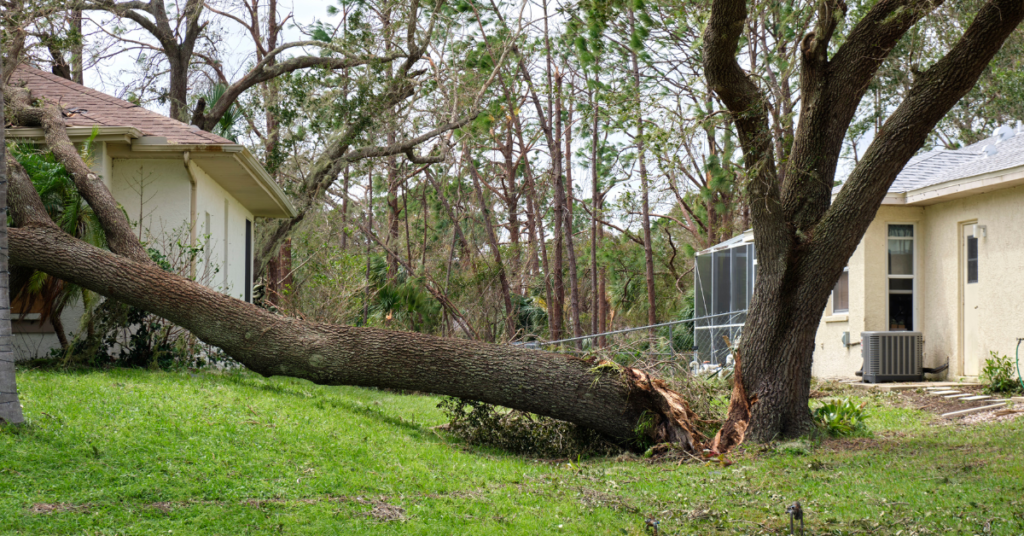
Dealing with Fallen Trees with Green Ocean Property Management
Standing behind one of our houses, I couldn’t help but feel a mix of awe and concern. A massive tree had fallen, causing potential damage and a significant financial burden. This blog post will delve into the complex process of handling fallen trees, emphasizing the importance of proactive property management and its role in…

Proactive Solutions to Say Goodbye to Pigeon Problems
Today, we’re addressing a pesky issue many property owners face – pigeon problems. These feathered friends might seem harmless, but their presence can create noise, mess, and trouble for our property and residents. We’re here to share our cost-effective and humane approach to resolving this matter. The Cost Challenge Dealing with unwanted animals…
4.9 stars on 1,000+ Google reviews. Managing Boston property since 1977.