
Joint or Group Lease vs. Individual Lease: Key Differences
A joint or group lease generally puts several residents on one rental agreement. Individual leases use separate agreements, often for specific bedrooms with access to shared areas. The right choice depends on the property, the written terms and applicable law. Group lease vs. individual lease at a glance Topic Joint or group lease Individual leases…
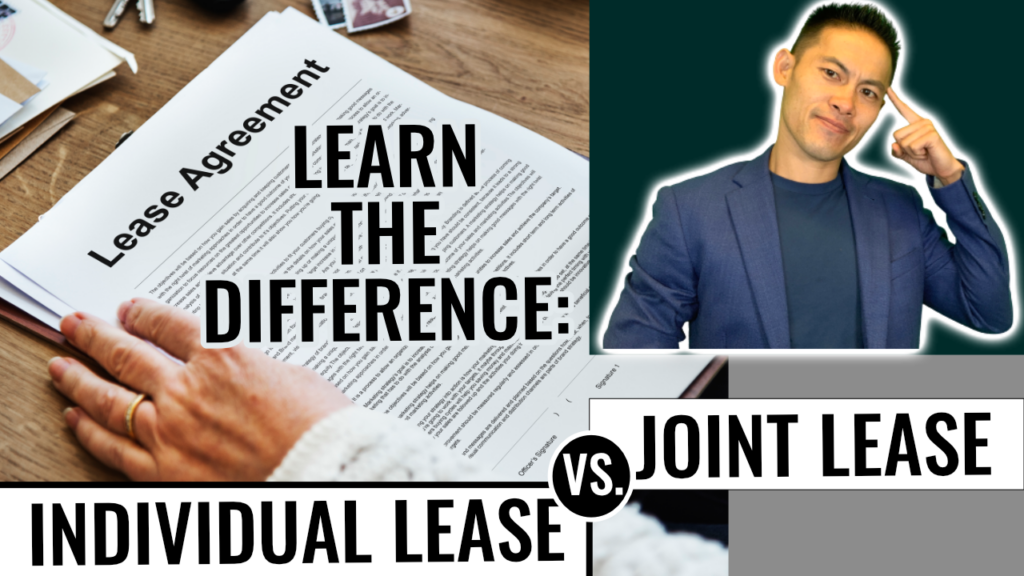
A joint or group lease generally puts several residents on one rental agreement. Individual leases use separate agreements, often for specific bedrooms with access to shared areas. The right choice depends on the property, the written terms and applicable law.
Group lease vs. individual lease at a glance
| Topic | Joint or group lease | Individual leases |
|---|---|---|
| Agreement | Residents sign one agreement for the rental. | Residents sign separate agreements defining their rented space. |
| Rent records | Track the amount due under the shared agreement and payments received. | Track each agreement separately, including its rent and due date. |
| Resident changes | Review how the agreement handles a departing or replacement roommate. | Review the affected agreement and any shared-area or occupancy terms. |
| Management | Coordinate communication with all named residents. | Coordinate separate agreements alongside shared-area responsibilities. |
How does responsibility for rent differ?
Do not assume that the label alone decides liability. A joint lease may contain a joint-and-several liability clause. Have a qualified attorney explain its effect, enforceability and interaction with local law before relying on it.
Separate leases should state each resident’s payment obligations and the space covered. They do not automatically resolve every question about utilities, damage or shared areas. Avoid promising that either structure guarantees collection or eliminates disputes.
What should owners and residents review?
- Rented space: identify bedrooms, common areas, storage and permitted occupancy.
- Rent and utilities: document amounts, due dates, payment methods and any lawful allocation of shared costs.
- Maintenance: explain how residents report problems and how access is arranged.
- Damage: explain documentation and the process for resolving responsibility.
- Roommate changes: clarify approval, replacement, release and renewal procedures.
- Property requirements: check applicable licensing, occupancy and rental rules before choosing a structure.
For Massachusetts rentals, start with the Attorney General’s guide to landlord and tenant rights. This comparison is general information; it is not a lease template or a substitute for advice about a specific agreement.
Keep agreements and payment records aligned
Record the signed version, named residents, rented space, rent schedule and important dates. When someone leaves, document any approved amendment rather than assuming that moving out ends an obligation. Our lease management guide explains the ongoing process.
Use a rental ledger that matches the agreement structure. Keep charges, receipts, credits and outstanding balances traceable; a roommate’s private payment arrangement should not replace the owner’s records.
Frequently asked questions
Is a group lease the same as a joint lease?
The terms are often used for one agreement signed by multiple residents. Read the document to confirm what space and responsibilities it actually covers.
Are individual leases always better for student rentals?
No. Review the property’s operating model, resident turnover, local requirements and the proposed terms. Student status alone does not determine the appropriate agreement.
Who pays shared costs?
The agreement and applicable rules determine responsibility. Put any permitted allocation in writing and resolve unclear terms before signing.
Need help organizing rental operations? See Green Ocean’s rental property management service or contact Green Ocean Property Management to discuss your property and management needs.

What makes a Property Manager VALUABLE?
Hiring a property manager proves to be valuable to any landlord as it allows you to take care of your properties and tenants, especially if you have several properties. Property managers deal with the tenants and their concerns so landlords don’t have to.s been in the industry for over four decades. One of the…

How to Ensure Tenants’ Safety
The safety of your residents should be the utmost priority of any landlord or property manager. And with the apparent rise in burglary and criminal trespass cases in Massachusetts, it is imperative to keep the basics in check to prevent any unfortunate incident. We give you the three Ls to remember to ensure tenants’…

Rental ROI: Maximizing Returns in the Slower Fall & Winter Market
Reading Time: 2 minutes Boston’s fall and winter months are famous for crisp air, Red Sox playoff buzz, and—if you’re a property owner—a whole different kind of challenge: slower rental activity. With the traditional September 1st move-in frenzy behind us, some landlords resign themselves to vacancies or below-market rents until spring. But that’s not how…
4.9 stars on 1,000+ Google reviews. Managing Boston property since 1977.