
Pest Control for Rental Properties: Prevention and Response
Pest problems in a rental home are easiest to manage when owners and residents report concerns early, remove conditions that attract pests, and follow a documented treatment plan. By Jarrett Lau · Updated October 12, 2026 Start with an inspection and a clear plan Check for signs of activity during move-in and routine maintenance visits:…
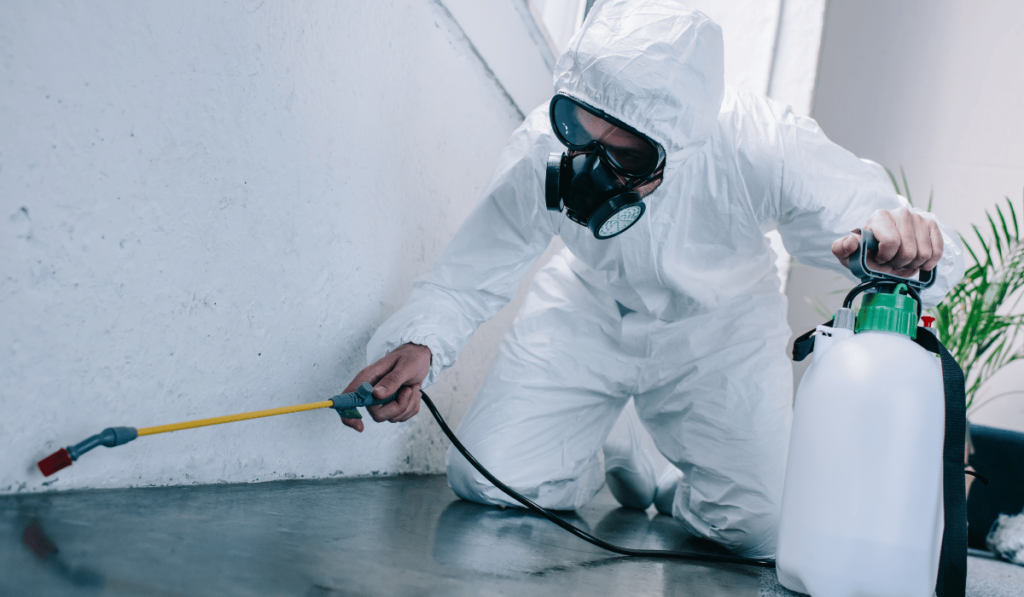
Pest problems in a rental home are easiest to manage when owners and residents report concerns early, remove conditions that attract pests, and follow a documented treatment plan.
By Jarrett Lau · Updated October 12, 2026
Table of Contents
Start with an inspection and a clear plan
Check for signs of activity during move-in and routine maintenance visits: droppings, damaged packaging, insect remains, moisture, gaps around pipes, damaged screens, and unsealed food or trash. Photograph what you find, record the date and location, and ask a licensed pest professional to identify the pest and recommend an integrated pest management (IPM) plan when treatment is needed. Massachusetts DPH recommends property-specific prevention, prompt inspection after a report, and records of inspections, repairs, products, and rechecks. Read the Massachusetts pest-control guidance for rental owners.
Rental pest prevention checklist
Before a new tenancy
- Inspect kitchens, bathrooms, basements, utility areas, and exterior entry points; document conditions with dated photos.
- Seal cracks and gaps, repair screens and door sweeps, and correct plumbing leaks or standing water.
- Confirm waste storage and removal arrangements and remove clutter or materials that can provide harborage.
- Share a simple written reporting and access process with residents.
Monthly and seasonal upkeep
- Check common areas, trash rooms, and known moisture points at least monthly and after a resident report.
- In spring and summer, inspect screens, doors, vegetation, and exterior openings; in fall, close gaps before colder weather drives rodents indoors.
- After heavy rain, plumbing work, or a nearby construction disturbance, check basements and utility penetrations for new moisture or pest activity.
- Keep dated records of reports, inspections, repairs, treatment instructions, and follow-up checks.
When a resident reports pests
- Acknowledge the report promptly and ask where and when the pest was seen; do not assume the source or assign blame before inspection.
- Arrange an inspection by a qualified professional, identify the affected and adjacent areas, and follow the professional’s written treatment and monitoring plan.
- Give residents the preparation instructions and required notice before pesticide application. Massachusetts DPH guidance says occupants must receive at least 48 hours’ notice before extermination.
- Follow up after treatment, document whether activity has stopped, and repeat inspection or treatment when the professional recommends it.

Owners and residents each have a role
Owners should investigate reports, repair building conditions that allow pests to enter, arrange appropriate professional treatment, and communicate preparation and follow-up steps. Residents can help by storing food in sealed containers, keeping counters and floors clean, disposing of trash properly, reporting leaks, and notifying management when activity appears. These preventive steps do not replace an owner’s duties under applicable housing rules or a professional treatment plan.
Responsibility depends on the property and the applicable rule. Massachusetts’ State Sanitary Code, 105 CMR 410.550, addresses pest elimination; the details can differ by dwelling type. Boston also states that owners of buildings with two or more units are responsible for paying for pest extermination. Review the Massachusetts State Sanitary Code and Boston housing-code guidance, and contact the local board of health or inspectional services department if a code question arises.
Use licensed professionals and safe treatment practices
Choose a pest-control provider who can identify the pest, explain nonchemical and chemical options, describe any preparation needed, and set a monitoring schedule. Do not ask residents to apply pesticides in shared housing or use products contrary to their labels. Keep the provider’s written instructions and treatment records with the property file.
For recurring building issues, connect pest prevention with proactive maintenance coordination. Residents can send repair concerns through the tenant repair request page. If you manage a rental home and need help coordinating inspections or maintenance, contact Green Ocean Property Management.
This article provides general information, not legal or pest-control advice. Requirements and responsibility can depend on the property and facts; consult the local health authority, a licensed pest professional, or an attorney for guidance.

Why Your Property Needs Green Spaces for A Thriving Community
In the heart of bustling urban landscapes, amidst the concrete jungle, lies an invaluable asset often overlooked but profoundly impactful: green spaces. From verdant parks to tree-lined streets, these natural havens play a pivotal role in shaping the fabric of our living environments. Today, we embark on a journey to explore the transformative power of…

Enhance Your Real Estate Experience with 3D Tours
In the competitive world of real estate, visuals play a crucial role in capturing the attention of potential buyers or renters. While photographs and videos have long been used to showcase properties, the introduction of 3D tours has revolutionized the industry. Green Ocean Property Management understands the immense value these tours bring to the table….

Master Property Management for Stress-Free Renting
Discover stress-free property management tips. Learn how companies handle maintenance, tenant relations, and legalities, boosting your rental experience.
Experience exceptional management and elevate your property with us