
What is a 1040 Schedule E
Reading Time: 6 minutes Real estate comes with a lot of technicalities, especially tax forms. In today’s article, we go into detail about the 1040 Schedule E and how Green Ocean Property Management can guide you through tax forms such as this. Quick Answer: What Schedule E Is For Schedule E (Form 1040) is the IRS form landlords…

Real estate comes with a lot of technicalities, especially tax forms. In today’s article, we go into detail about the 1040 Schedule E and how Green Ocean Property Management can guide you through tax forms such as this.
Quick Answer: What Schedule E Is For
Schedule E (Form 1040) is the IRS form landlords use to report rental income and losses — along with income from partnerships, S corporations, estates, trusts, and royalties. It covers passive income only, not employment taxes like Social Security or Medicare.
Deductible expenses reported on it typically include mortgage interest, property taxes, repairs, maintenance, insurance, and depreciation. This is general information, not tax advice — confirm specifics with your CPA or tax preparer before filing.
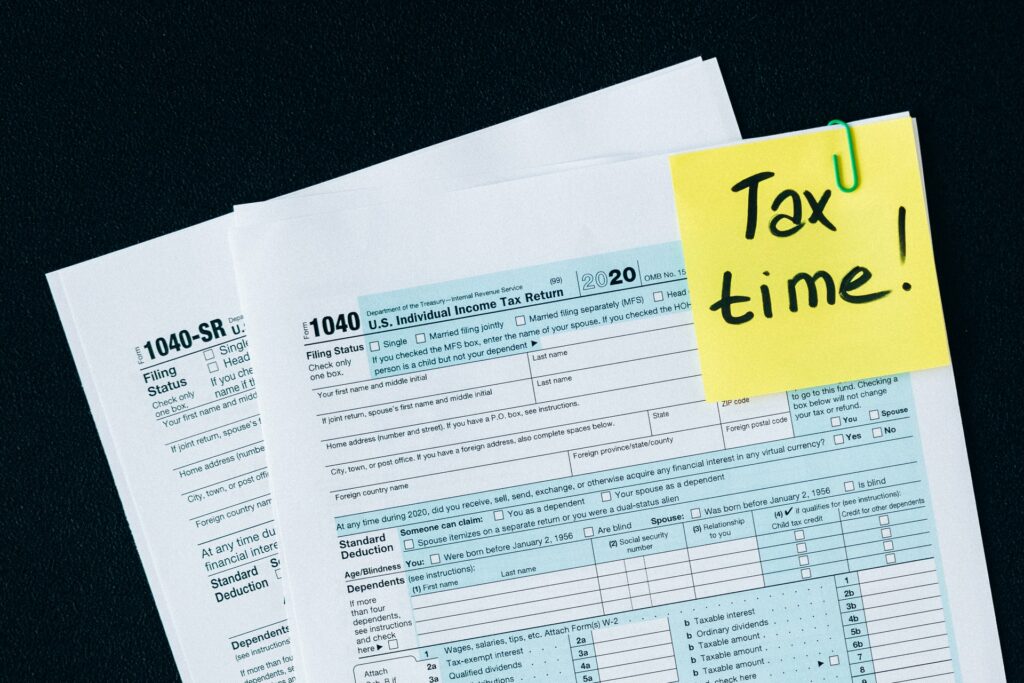
Defining the 1040 Schedule E Form
Now, a 1040 Schedule E is a form that you submit to the Internal Revenue Service that states the income or losses from rental real estate, royalties, partnerships, S corporations, estates, trusts, and residual interests in real estate mortgage investment conduits (REMICs). At the end of the day, the purpose is to know what type of income and losses you are going to get.
Any Recent Changes to Schedule E?
You might be wondering if there have been any big shifts or tweaks to Schedule E lately. As of now, there haven’t been major changes to the form or its reporting requirements. It’s still business as usual for anyone reporting their income and losses from things like rental properties, royalties, and partnerships.
That said, it’s always smart to keep an eye out for updates—especially with frequent changes to tax laws in recent years. One area to monitor is whether any supplemental income you report on Schedule E triggers additional tax obligations or affects your overall federal tax liability for the year. Note that Schedule E covers passive income and losses; it does not cover employment taxes such as Social Security or Medicare, which are handled separately.
Checking with your tax preparer or a reputable site (like TurboTax or H&R Block) can help ensure you’re not missing anything new before filing. Understanding your filing schedule—which forms are due and when—keeps you from scrambling at the last minute and helps you avoid penalties.
Finding Previous Versions of Schedule E
If you need to review or download the Schedule E form or its instructions for either the current tax year or a previous year, multiple resources are available online. Knowing your exact income tax obligations starts with using the correct form version—using an outdated edition could cause errors in what you include taxes for.
Most reputable tax preparation websites, accounting forums, or even your favorite financial software provider will host downloadable PDFs of both the latest Schedule E and several past editions. Whether you’re wrapping up last year’s real estate paperwork or planning ahead, these sites usually organize the documents by year, making it straightforward to access the exact version you need for your records or filing. Having the right version also ensures you correctly calculate any tax due when you submit your return.
Accessibility and User-Friendly Options for Schedule E
If you’re wondering whether you’ll be able to easily access and complete Schedule E, good news: There are several ways to make the process a bit less painful. Most major tax prep platforms—think TurboTax, H&R Block, and even some free online tools—offer browser-based versions of Schedule E that you can fill in directly from your laptop or tablet.
Prefer reading on your phone or need accessibility features? Many of these platforms also offer mobile-friendly forms and simple, readable guides that work well for screen readers. And for those who appreciate digital resources, eBook-style walk-throughs and downloadable PDFs are widely available, so you can review instructions on the go or when you’re stuck waiting at the DMV.
In short, you’re not locked into a pile of paperwork—instead, there’s a format suited to however you prefer tackling your taxes.
Typically, it’s going to be as a result of something called the K-1. A lot of corporations, businesses, and LLCs will issue a K-1 for those profits and losses. For example, for all the real estate partnerships I have, my Certified Public Accountant (CPA) will go through the records and determine how much income and expenses we have, what our net losses or income are, and issue out a K-1 based upon the percentage of ownership.
How Schedule E Connects to Other Parts of Your Tax Return
Now, when you’re working with Schedule E, it’s not just about plugging in those numbers from your K-1 and calling it a day. Depending on your situation, you might need to be aware of other tax forms that come into play. For instance, if you’re facing limitations on business losses, you’ll want to check out the form that deals with those restrictions. If you’re dealing with depreciation on a property, or if you’ve had a casualty loss or even sold a business asset, there are additional forms that tie into your Schedule E calculations.
And let’s say you’re part of a partnership or S corporation—there are special rules and possible limitations, like at-risk rules or passive activity loss rules, that you may need to consider. Your CPA will typically help you sort out whether these forms and limitations apply to you, but it’s good to be aware that Schedule E is often just the start of the story, not the end.
Let’s just say I own 50-50 with someone. They will get one for 50%, and I’m going to get one for the other 50%. I’m going to take all my K-1s based on my different corporations, businesses, and real estate holdings, add them all up, and put them on Schedule E. And this Schedule E can be really long and calculated to see how much income and expenses – losses or profits – that you have at the end of the year.
We guide you through this type of process because you have to make sure you are doing this right, especially if you have partners within a deal.

Helpful Resources to Navigate Rental Real Estate and Tax Matters
If you’re knee-deep in rental property or trying to sort out what qualifies as a travel or entertainment expense, you’re not alone—and thankfully, you don’t have to reinvent the wheel. I always recommend arming yourself with the right guides and resources for the specifics you need to tackle. Here are a few worth bookmarking:
- Understanding Expense Deductions: Nolo’s “Every Landlord’s Tax Deduction Guide” is a crowd favorite. It breaks down what’s actually deductible—from mileage to repairs—without all the legalese.
- Navigating Rental Income Nuances: BiggerPockets regularly publishes up-to-date blogs and discussion threads about best practices with Schedule E, from passive loss rules to reporting multiple properties.
- Tracking Asset Sales: If you’re thinking about selling property or equipment, Investopedia and The Balance offer step-by-step explanations on how to report gains and losses, plus practical examples you can follow.
- Sorting Out Travel & Entertainment Costs: Bench’s expense tracking resources make recording business travel (and what counts as business versus personal) a lot less stressful.
Everyone’s tax situation is a little different, but these references will give you a leg up—especially if you’re juggling multiple properties, partnerships, or various streams of real estate income. And of course, a quick chat with a real estate-savvy CPA doesn’t hurt either!
Our commitment
So if you or anyone else you know is looking for a proactive property manager to help guide you through tax forms – not a CPA, but we can refer you to one – but at least guide you on the high level such as this, please think of Green Ocean Property Management: where you get more than a property manager, you get peace of mind.
We know that forms and instructions can feel like deciphering ancient hieroglyphics—especially when it comes to property management and taxes. That’s why we go beyond just collecting rent and fixing leaky faucets. We’re here to help walk you through the paperwork: offering hands-on support with forms, clarifying instructions, and making sure you understand each step. While we can’t replace your CPA, we’re always happy to connect you with one, and we’re right by your side to help make the process less daunting.
Frequently Asked Questions
What type of income is reported on Schedule E?
The types of income reported on Schedule E include rental income from real estate, income from partnerships, S corporations, estates, trusts, and royalties. This form helps ensure accurate reporting of these various income sources.
How do I calculate rental income on Schedule E?
Calculating rental income on Schedule E involves reporting the total rent received from your property, minus any allowable expenses such as repairs, management fees, and depreciation. Ensure accurate documentation for all income and expenses to maximize your deductions.
What is the purpose of the 1040 Schedule E form?
The purpose of the 1040 Schedule E form is to report income or losses from rental real estate, partnerships, and other sources, ensuring accurate tax reporting for property owners.
What expenses can be deducted on Schedule E?
The expenses that can be deducted on Schedule E include mortgage interest, property taxes, repairs, maintenance, insurance, and depreciation, which help reduce taxable rental income for property owners.
What is the significance of Schedule E for landlords?
The significance of Schedule E for landlords lies in its role in accurately reporting rental income and expenses on tax returns. This form helps landlords track profitability and ensures compliance with tax regulations, ultimately aiding in effective financial management.
What is the relationship between Schedule E and Form 1040?
The relationship between Schedule E and Form 1040 is that Schedule E is used to report rental income and losses, which are then included in the overall income calculation on Form 1040 for individual taxpayers.

Boost Your Boston Rental Property’s Appeal with Curb Appeal Techniques
Reading Time: 3 minutesAre you a Boston landlord looking to attract quality tenants and increase your rental income? Enhancing a property’s curb appeal is one of the most effective ways. A well-maintained and visually appealing property creates a welcoming atmosphere and makes a lasting first impression on potential tenants. This blog will discuss tips to help boost your…

Top 5 Financial Red Flags when reviewing Tenant Applications
Reading Time: 14 minutes As property managers, we need to make sure that our clients have responsible tenants. That is why we have listed our Top 5 Red Flags when reviewing potential tenant applications so that landlords can have immediate signs to turn down an applicant but if you see multiple red flags be warned! We have seen too…

Managing a Multitude: Strategies for Efficient Multi-Family Property Management
Reading Time: 5 minutesThe world of multi-family property management presents a unique set of challenges. Unlike managing single-family homes, landlords overseeing apartment buildings or condo complexes must juggle the needs and expectations of multiple tenants residing in close quarters. This can quickly become overwhelming if not approached strategically. The key to success in multi-family property management lies in…
Experience exceptional management and elevate your property with us