Understanding Negative Air Machines in Property Demolition
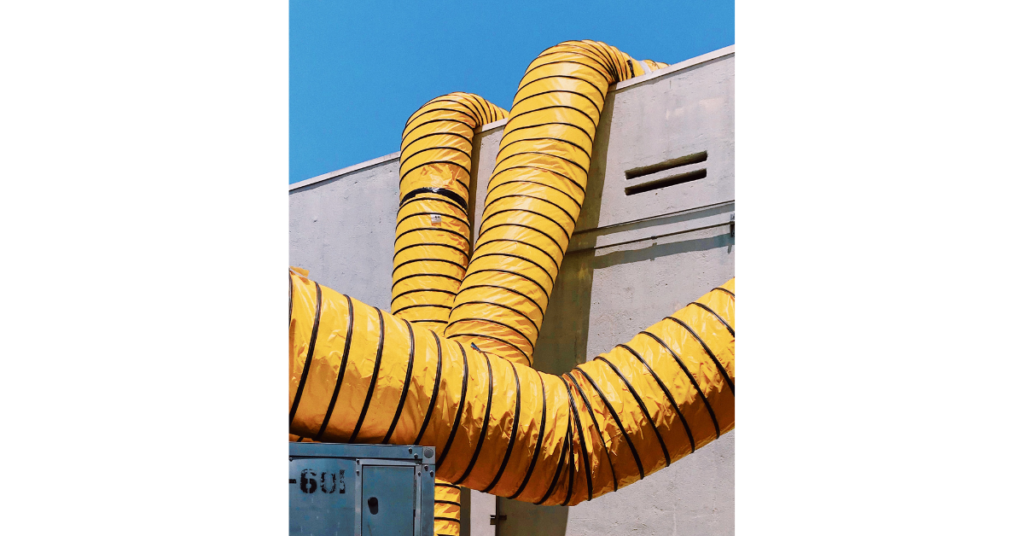
During a property renovation or demolition, you might notice an unusual sight: a large balloon-like contraption protruding from a window. This device is crucial in maintaining a safe and healthy environment during construction projects involving mold, asbestos, and drywall removal. Let’s delve into the fascinating technology of negative air machines and their significance for the…
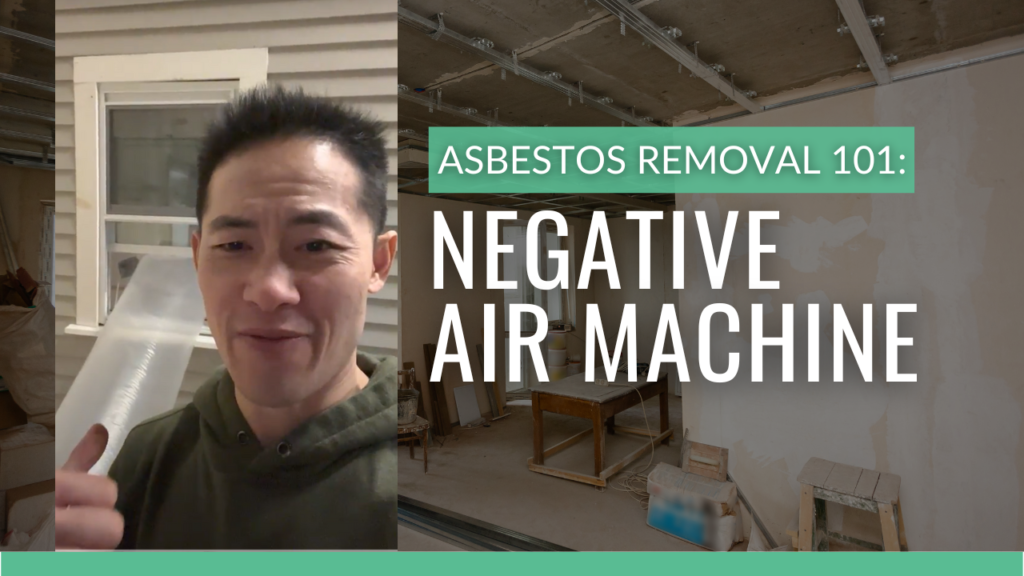
During a property renovation or demolition, you might notice an unusual sight: a large balloon-like contraption protruding from a window. This device is crucial in maintaining a safe and healthy environment during construction projects involving mold, asbestos, and drywall removal. Let’s delve into the fascinating technology of negative air machines and their significance for the well-being of both workers and occupants.
Table of Contents
What Is the Mysterious Balloon?
The peculiar balloon you see is no party decoration; it’s a negative air machine. This specialized equipment maintains air quality by removing contaminated air from the work area and expelling it outside. Crews often run an air scrubber alongside the negative air machine so HEPA air filtration captures fine particles before air leaves the work area. The negative air machines utilize a HEPA (High-Efficiency Particulate Air) filter, ensuring that only clean and purified air is allowed back into the property. This process prevents harmful particles like dust, mold spores, asbestos fibers, and other potential pollutants from circulating within the indoor environment.
HEPA vs. ULPA: Which Filter Reigns Supreme?
You might wonder if there’s an even greater air-cleaning champion than the trusty HEPA filter. Enter ULPA (Ultra-Low Penetration Air) filters. They boast an even tighter grip on the tiniest particles—capturing more microscopic contaminants thanks to their incredibly fine mesh. However, ULPA filters are typically reserved for settings with extraordinarily stringent air requirements, like certain laboratories or cleanrooms.
For most projects, HEPA filters remain the favorite. Why? They strike a perfect balance: tough on tiny particles, yet not so restrictive that they slow down the airflow. Unlike ULPA filters—which can bog down a machine’s fan and make air changes sluggish—HEPA filters keep the air moving efficiently while still trapping the things you definitely don’t want floating around, like mold spores and fine dust. That’s why, in healthcare and construction alike, you’ll find HEPA filters handling the lion’s share of the heavy lifting.
Demystifying MERV Ratings
If you’ve ever wondered what the acronym MERV stands for, you’re not alone. MERV—or Minimum Efficiency Reporting Value—is a standard developed by the American Society of Heating, Refrigerating and Air-Conditioning Engineers (ASHRAE) to gauge how well an air filter captures particles of varying sizes. Think of MERV as a filter’s report card: the higher the number, the finer the particles it can trap.
For some perspective:
- Low MERV ratings (like 1–4) catch large dust particles and lint—fine for your average home, but not much more.
- Mid-range MERV filters (8–13) do a better job, capturing things like pollen, mold spores, and even some bacteria.
- When it comes to serious filtration, HEPA (High-Efficiency Particulate Air) filters take the crown, rated at MERV 17 and higher. These champions snatch up the tiniest contaminants, making them vital in hospitals, laboratories, and, yes, in negative air machines working overtime during hazardous construction tasks.
So, if you spot a MERV rating on your filter, remember: bigger numbers mean better protection from airborne particles.
The Air-Cycling Process
Imagine this machine as a silent guardian, tirelessly cycling the air to create a safer workspace. The negative air machines step in when construction activities such as mold, asbestos, and drywall removal generate copious dust and debris. It uses negative air pressure to draw in contaminated air from the room and then expels it outside through a dedicated exhaust system. The air is continually filtered and cleansed, ensuring only fresh air flows back into the property.
But there’s even more to these unsung heroes. Negative air machines aren’t just for construction zones—they’re also at work in medical facilities, factories, and commercial buildings, especially in spaces where contaminants like mold, asbestos, or lead threaten air quality. By creating either negative or positive air pressure, these machines perform critical roles: negative pressure isolates a space to prevent infectious particles from escaping, while positive pressure shields those inside by blocking outside pollutants—vital for immunocompromised patients.
During major health events, such as the 2020 coronavirus outbreak, negative air machines proved indispensable. Facilities converted ordinary rooms into airborne infection isolation zones, using powerful fans to force air through HEPA filters and ensure pathogens had a much harder time escaping into the rest of the building. The principle is simple but effective: lower the pressure inside, and harmful particles are contained, not allowed to roam free.
Why Sealing the Room Matters
So, why all the fuss about sealing up windows, air grilles, and every little gap? Think of it as prepping your workspace for a magic trick—except instead of pulling a rabbit out of a hat, you’re making harmful particles vanish. By carefully sealing off openings with tape or plastic sheeting, you prevent outside air from sneaking in and interfering with the negative air pressure.
Less air leakage means the negative air machine operates more efficiently, working smarter, not harder. With a well-sealed room, it doesn’t need to run at full blast to keep contaminated air from escaping into the rest of the property. The result? Quieter operation, lower energy bills, and, most importantly, a safer environment for everyone nearby.
Prepping the Room for Maximum Efficiency
Before our trusty negative air machine gets to work, there’s a vital step that sets the stage: sealing the room. Think of it like battening down the hatches before a storm—any gaps or openings could undermine the whole operation.
Start by methodically taping up air grilles, windows, and any sneaky cracks where air might slip through. Pay extra attention to vents, door frames, and other less-obvious escape routes. The goal is to ensure that the air only moves where you want it to—through the machine’s filter and out the exhaust—not back into your workspace.
By sealing up these entry points and exits, you help the negative air machine maintain its pressure edge. This not only enhances performance but also means the equipment can run at a lower speed, reducing background noise and cutting back on electricity consumption.
Transforming Hospital Rooms with Negative Air Machines
So, how do negative air machines turn ordinary hospital rooms into negative pressure isolation spaces? The answer is surprisingly straightforward—and crucial in controlling the spread of airborne pathogens like viruses or bacteria.
Negative air machines are equipped with powerful fans and HEPA filters. When set up in a hospital room, these machines pull contaminated air out of the space and force it through the filter, capturing even microscopic threats such as viruses, bacteria, and fine particles. This process keeps the air inside the room at a lower pressure than the surrounding hallways and areas.
Here’s why that matters:
- Airflow Direction: Air naturally moves from higher pressure to lower pressure. In this setup, air from adjacent corridors flows into the isolation room, not the other way around.
- Containment: Pathogens and potentially infectious particles are continuously drawn away from hospital personnel and other patients, drastically reducing the risk of unwanted spread.
- Efficiency: The filtered, cleansed air is safely expelled to the outside, ensuring nothing harmful escapes back into the hospital environment.
By using negative air machines in this way, healthcare facilities can rapidly adapt standard patient rooms into effective isolation zones—providing a vital defense during events like the 2020 coronavirus pandemic and beyond.
Why Negative Air Machines Matter in Healthcare Settings
Peeking behind the curtain of healthcare facilities, you’ll find negative air machines serving a role that’s far from ordinary. Think of them as the property’s invisible security detail—meticulously managing air quality and stopping trouble before it starts. But unlike your standard security guard, these machines don’t just protect against dust—they’re also frontline defenders when infections threaten to spread.
During times like the 2020 coronavirus outbreak, negative air machines took center stage. Hospitals needed to adapt quickly, transforming ordinary patient rooms into isolation zones. How? By using the same negative air pressure principle that keeps construction dust at bay. The machines pull contaminated air inward, guide it through powerful HEPA filters, and send it safely outside, lowering the pressure inside the room. This makes it tricky for airborne pathogens to sneak out and circulate elsewhere in the building.
Why does this matter? In healthcare settings, especially during outbreaks, keeping people separated from airborne contaminants can be a literal lifesaver. For immunocompromised patients, the stakes are even higher. Using negative or positive air pressure helps protect them—negative pressure chambers trap infectious air inside, while positive pressure keeps outside air from drifting in. It’s a sophisticated dance of airflow that helps hospitals stay one step ahead of whatever might be floating around.
How Filtered Air Is Exhausted: Healthcare Room Configurations
If you’ve wandered past a negative air machine in a hospital corridor and wondered where all that filtered air actually goes, you’re not alone. The process isn’t random; how the cleaned air exits the space is a matter of both science and careful planning. Let’s pull back the curtain on the three primary ways negative air machines are set up to vent filtered air in healthcare environments, according to the standards set by the American Society for Healthcare Engineering (ASHE).
1. Exhausting to the Corridor (with an Anteroom)
In one common arrangement, the machine directs the cleaned, HEPA-filtered air into the hallway—but not willy-nilly. This method usually involves installing an intermediate space, called an anteroom or vestibule, just outside the main room. Air passes through the HEPA filter and into this anteroom before entering the corridor, minimizing any risk of cross-contamination. For this configuration to work effectively, the corridor should provide at least five feet of clearance to ensure proper airflow and safety.
2. Exhausting Directly Outside
The second setup sends filtered air straight outdoors. Here’s how it works: return air vents in the room are sealed off, and a duct runs from the negative air machine, out a nearby window or through an exterior wall. This approach entirely removes potentially contaminated air from the building, a go-to choice for projects where ultimate risk mitigation is essential.
3. Exhausting Back to the Building’s HVAC Return
Finally, some situations call for a more integrated approach. In this configuration, the HEPA-filtered air is ducted right into the return air grill that feeds the building’s overall HVAC system. The remaining portion of the return grill is sealed to prevent leaks. This allows the central air handling unit to whisk away already-filtered air for further conditioning, maintaining negative pressure without sending air outside or flooding the corridor.
Each setup is tailored to the specific needs of the facility and project—keeping both patients and staff protected, and the unpredictable world of airborne particles firmly in check.
The Significance of Air Changes Per Hour (ACH)
Maintaining a safe environment isn’t just guesswork; it’s a science. A sophisticated machine within the property measures the rate of air changes per hour (ACH), a crucial metric in assessing indoor air quality. Recommended for optimal safety is achieving around four air changes per hour. It ensures that the air remains fresh and clean, reducing the risk of airborne pollutants affecting the health of workers and occupants alike.
Calculating Air Changes Per Hour (ACH)
So, how do you determine how effectively your negative air machine is working its magic? It’s all about a bit of simple math. By knowing the cubic feet per minute (CFM) rating of your machine and the total volume of the room, you can estimate just how many times the air is being refreshed every hour.
Here’s a quick breakdown:
- Find the Room’s Volume: Measure the length, width, and height of your space in feet and multiply those numbers together to get the total cubic footage.
- Check the Machine’s CFM: Look at your negative air machine’s CFM rating—this tells you how many cubic feet of air it processes each minute.
- Use the Formula: Multiply the CFM by 60 (minutes in an hour), then divide that number by the room’s volume.
For example, with a 500 CFM machine operating in a room measuring 2,000 cubic feet:
- (500 CFM x 60) ÷ 2,000 = 15 air changes per hour.
The higher the ACH, the cleaner and safer your environment will be. Always aim for the recommended four or more air changes per hour to keep everyone breathing easy.
Prioritizing Safety and Well-Being
The negative air machine technology is a testament to responsible property management in a world where health and safety are paramount. During a significant construction project, the machine plays a vital role in safeguarding the well-being of workers on-site and any residents who may be present. Effectively containing and filtering potentially hazardous particles contributes to a healthier indoor environment.
What to Look for When Comparing Negative Air Machines
Choosing the right negative air machine for your demolition or renovation project requires a discerning eye. Not all machines are created equal—quality, safety, and usability can vary more than you might think. Here are key features and options to compare when weighing products from different manufacturers:
- Filter Efficiency: Look for units equipped with high-performance HEPA filters, ideally rated MERV 18 or higher. Some models offer additional prefilters or carbon filters, which can tackle a broader range of particles and odors based on your specific needs.
- Performance Testing: Ensure each machine has undergone thorough flow and leakage testing before it ever arrives at your site. Certified units offer peace of mind that the equipment will genuinely deliver on its safety promises.
- Energy Efficiency: Variable-speed ECM (electronically commutated motor) fan motors are a plus—they deliver strong airflow using less electricity. That means you can run multiple machines without overloading standard circuits, keeping your site both safe and efficient.
- Capacity and Flexibility: Assess the airflow range, usually measured in cubic feet per minute (cfm). Adjustable fan speeds (for example, ranging from 50 cfm to 1,000 cfm) let you tailor performance to the size of your workspace and the nature of your project.
- Ease of Maintenance: No one wants to wrestle with tools just to change a filter. Choose machines designed for hassle-free, tool-free filter replacement to minimize downtime and frustration.
- Standard Connections: Industry-standard inlet and outlet sizes (often 12-inch) make it simpler to integrate with existing ducting or containment setups on any job site.
- Noise Level and Durability: Quieter, longer-lasting fan motors contribute to a more comfortable and productive work environment—no need to shout over a roaring blower during meetings with property managers or tenants.
Balancing these factors ensures you select a negative air machine that isn’t just a mysterious balloon in the window, but an essential ally in maintaining a healthy property.
Key Considerations for Buying or Renting a Negative Air Machine
If you’re venturing into the world of negative air machines—either for a renovation, mold abatement, or infectious disease control—choosing the right equipment is crucial for both safety and efficiency. Like shopping for the best Swiss Army knife or, perhaps, the sturdiest umbrella in Boston’s unpredictable weather, not all negative air machines are built the same.
Here’s what you’ll want to keep in mind:
- Filtration Capabilities: Prioritize units with true HEPA filters (rated at least MERV 17-18), which trap tiny particles like mold spores, asbestos fibers, dust, and more. Some machines also offer pre-filters and carbon options for capturing larger debris and odors—especially handy on job sites with persistent smells.
- Performance and Capacity: Look for adjustable airflow settings to match the size and activity level of your project space. Machines with a broad range—from about 50 cubic feet per minute (cfm) up to 1000 cfm—allow flexibility for both small and large areas.
- Energy Efficiency and Noise: Construction is noisy enough; opt for models featuring energy-efficient fan motors (such as ECM motors). These not only draw less power—key if outlets are at a premium—but also run more quietly, supporting a safer, less stressful work environment.
- Ease of Use and Maintenance: Time is money during a project. Choose negative air machines that make it simple to replace or access filters without wrestling with complicated panels or requiring extra tools. Standard wall plugs (typically 120-volt in the US) and accessible power requirements allow several units to work on a single circuit.
- Mobility and Compatibility: For setups that might need to move between rooms or floors, lightweight designs and sturdy handles are invaluable. Check the inlet and outlet sizes as well—12-inch ports are very common, making it simpler to find compatible ducting or accessories.
To purchase or to rent?
Renting is a wise choice for short-term or budget-conscious projects, while buying makes sense if you anticipate repeated need for reliable air containment.
By weighing these factors, you’ll be equipped to select a machine that not only delivers clean, safe air but also streamlines your project from start to finish.
Why Choose Green Ocean Property Management
When embarking on a demolition project that involves potential airborne contaminants, you need peace of mind. At Green Ocean Property Management, we proactively guarantee the safety and well-being of all groups involved. Our commitment to keeping a clean and healthy indoor environment sets us apart. Whether it’s protecting your tenants or workers on the property, you can trust us to provide the utmost professionalism.
A negative air machine is a mysterious balloon-like apparatus you see protruding from a window during a property demolition. It is a crucial tool in maintaining air quality and ensuring the safety of workers and occupants. With its air-cycling capabilities, HEPA filtration, and focus on achieving optimal air changes per hour, this technology is essential in creating a healthy environment.
Our Commitment
If you or anyone else you know is looking for a proactive property manager to help guide you through a renovation and determine what you should do at your property to get you the highest amount of rent for the least amount of renovation money, please think of Green Ocean Property Management: where you get more than a property manager, you get peace of mind.

Building a Brand for Your Boston Short-Term Rental Business
Branding is the cornerstone of any successful business, and Boston-based short-term rental companies are no exception. As the industry grows increasingly competitive, creating a robust brand identity is crucial to stand out and attract both guests and property owners. This comprehensive guide provides twelve essential steps to fortify your short-term rental business and encourage its…

Boston Rental Inspection Requirements and Checklist
Boston’s Rental Registration and Inspection Ordinance covers rental properties subject to the ordinance. Rental registration is generally renewed annually, while the City selects non-exempt properties for inspection at least once every five years. Short-term rentals also have separate registration rules; some properties may still be subject to the rental inspection ordinance. Check the City’s…

Who Should Pay the Public Utilities?
Paying of public utilities such as water and electricity can cause confusion to some landlords. In this article, we’re going to be covering whether you can have tenants pay the public utilities. Can they pay for public utilities? The answer is NO. Typically, what will end up happening is that each…
Experience exceptional management and elevate your property with us