
Low-Maintenance Mailbox Landscaping Ideas for the Curb
First impressions are crucial for attracting tenants, and a well-maintained mailbox surrounded by a charming garden bed can be a game-changer. But with multiple properties to manage, finding the time and inspiration for landscaping projects can be a challenge. This guide provides property owners and managers with easy-to-implement ideas to spruce up the mailbox areas…

First impressions are crucial for attracting tenants, and a well-maintained mailbox surrounded by a charming garden bed can be a game-changer. But with multiple properties to manage, finding the time and inspiration for landscaping projects can be a challenge.
This guide provides property owners and managers with easy-to-implement ideas to spruce up the mailbox areas of your rentals, boosting curb appeal and attracting quality tenants.
Table of Contents
Planning Your Masterpiece: Convenience is Key
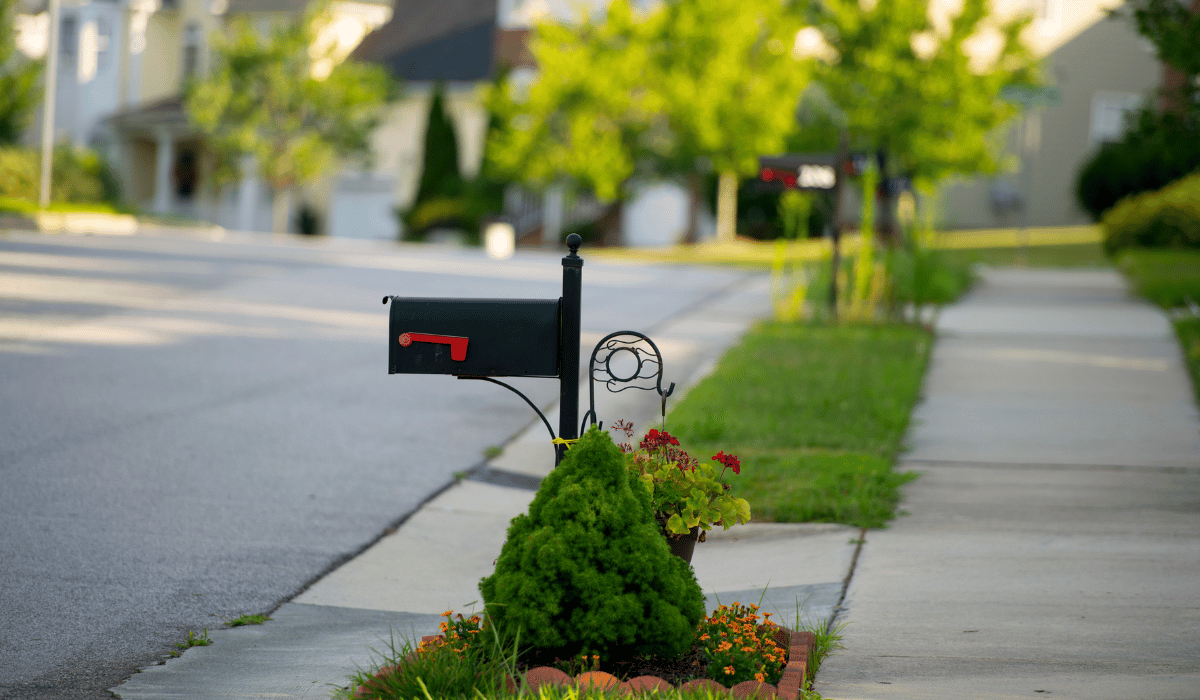
Keeping things simple and low-maintenance is essential when managing multiple properties. Consider these factors:
Smart Mailbox Placement: What to Keep in Mind
Before planting that vibrant garden or choosing your decorative edging, pause for a moment to make sure your mailbox is in the right spot. Proper placement not only keeps everyone in compliance with postal regulations, but also prevents landscaping headaches down the road.
Here’s what to check:
- Optimal Height: Position the mailbox so that the bottom sits about 41 to 45 inches off the ground. This makes it easy for mail carriers—no awkward stretches required.
- Setback from Curb: Leave a gap of about 6 to 8 inches between the curb and your mailbox. It’s just enough space to avoid trouble with snowplows and passing traffic.
- Local Guidelines: Always confirm any rules from your local post office or homeowners association. Some areas may have unique size, placement, or mounting requirements.
Getting these basics right prevents costly re-dos and sets the stage for landscaping that both looks great and functions smoothly.
Sun Exposure
Identify areas with similar sun exposure patterns to streamline plant selection. Opt for low-maintenance, drought-tolerant plants for full sun locations, and shade-loving varieties for areas with less direct sunlight.
Mailbox Style
Choose plants that complement the mailbox’s style. Classic mailboxes might pair well with bold annuals or perennials, while rustic wooden posts could be adorned with low-growing, colorful options.
When planning your mailbox area, also think about how the mailbox itself fits into the overall look of your property. Select a mailbox design that matches your home’s architectural style and color palette. For example, a sleek modern mailbox pairs well with minimalist plantings, while a traditional or cottage-style mailbox can be highlighted with lush, colorful blooms.
Functionality matters, too—make sure the mailbox you choose is not just attractive, but also large enough for your typical mail and packages. And don’t be afraid to add a dash of personal flair! Use plants, decorative stones, or materials that reflect your taste and make your property feel welcoming right from the curb.
Designing a Southwestern or Nautical-Themed Mailbox Area
Injecting personality into your mailbox garden is a great way to make your properties memorable, especially if you want a distinct regional vibe.
Southwestern Charm
For homes in drier climates, a Southwestern-style mailbox area can be both striking and practical. Focus on earthy tones—think warm reds, sandy browns, and soft oranges in both plant and decorative selections. Ornamental grasses like corkscrew rush or fountain grass add texture and resilience. Pair these with succulents or drought-tolerant perennials, such as agave or blanket flower, to create a look that thrives under the hot sun with very little attention.
Accent the bed with natural stone, gravel mulch, or terra cotta pots to reinforce the Southwestern aesthetic. This approach is ideal for minimizing upkeep and water use while still maintaining serious curb appeal.
Nautical Appeal
If you’re aiming for beachy charm—whether you’re near the coast or just want that breezy Cape Cod look—focus on cool blues, whites, and silvery greens. Consider planting low-growing juniper like ‘Blue Star,’ cheerful daylilies, or allium for subtle seaside color. Variegated ornamental grasses or sea thrift can anchor the theme.
For added character, incorporate elements like white pebble mulch, driftwood accents, or a rope border around the bed. Nautical motifs, from miniature anchors to a painted mailbox, finish the look and make your property stand out—not to mention spark a little wanderlust in everyone passing by.
Mailbox Materials: Pros and Cons
When considering the perfect finishing touch for your curb appeal project, it’s worth thinking about what your mailbox is made of. Different materials offer unique looks and maintenance needs—there’s something for every property and aesthetic.
- Metal
Metal mailboxes, like those made from steel or aluminum, are known for their strength and longevity. They can weather harsh New England winters (and the occasional overzealous snowplow) with relative ease. Metal options often offer sleek finishes in a range of colors, but keep an eye out—cheaper versions might develop rust if the coating gets chipped. - Plastic
Plastic mailboxes are a lightweight, affordable option. They’re impervious to rust and usually fend off fading pretty well, even after years of sun exposure. On the downside, they’re not as sturdy as metal and may crack if hit by a stray basketball or icy shovel. - Wood
For property owners looking for that classic, rustic vibe, wood delivers warmth and character. Wood can be stained or painted to match the look of your property, blending beautifully with landscaping. However, be prepared for regular upkeep—wood is susceptible to weathering and pests if not properly sealed. - Masonry
Masonry mailboxes (think brick or stone) are the heavy hitters of the curb appeal world. Nearly indestructible and fully customizable, these offer a high-end, permanent look—and often set your property apart. Just note that installation can be costly and repairs, if ever needed, require a bit more effort.
Each material has its own set of advantages, so choose what fits your property’s style, climate, and maintenance preferences.
Time Commitment
Stick with low-maintenance choices like ornamental grasses, succulents, or flowering shrubs that require minimal upkeep. Utilize slow-release fertilizers and invest in a programmable sprinkler system to further minimize maintenance needs.
Pro Tip: Once you’ve mapped out your design and selected your plants, installation can be a breeze. Lay out your chosen plants according to your plan, then follow a simple step-by-step process: position each plant, ensure proper spacing for growth, and set them at the recommended depth. This straightforward approach means you can create a beautiful, cohesive look at each property—no landscaping degree required.
Seeds or Mature Plants: Which Should You Choose?
When planning your mailbox garden, one of the first questions you’ll face is whether to start with seeds or purchase mature plants. Both options have their merits, especially for property owners looking for big results with minimal hassle.
Opting for mature plants is usually the go-to choice for most landlords and property managers. Here’s why:
- Instant impact: Mature plants immediately make your mailbox landscaping look lush and intentional, perfect when you want quick curb appeal.
- Quicker blooms and growth: You’ll enjoy flowers or greenery much sooner compared to waiting for seeds to sprout and establish themselves.
- Simpler maintenance: Older plants are sturdier and better equipped to handle varying weather and watering conditions—one less thing to worry about when juggling multiple properties.
However, if you like the idea of growing your plants from scratch and have a bit more time to spare, seeds can be a budget-friendly alternative. Just keep in mind:
- More time and patience required: Seeds take longer to mature and typically need a little extra attention at the start.
- Larger selection: You’ll find a broader range of unique varieties if you’re willing to grow from seed.
For most, mature plants mean less trial and error and quicker results—ideal when you want to boost curb appeal without adding hours to your to-do list.
Easy-Care Planting Options
Here are some popular, low-maintenance plant choices to create stunning mailbox landscapes across your properties:
- Perennials: These reliable bloomers come back year after year with minimal effort. Consider lavender, daylilies, coreopsis, or ornamental alliums for a pop of color.
- Ornamental Grasses: These low-water plants add texture and movement throughout the seasons. Opt for blue fescue, feather reed grass, or maiden grass.
- Succulents: These drought-tolerant beauties require minimal watering and thrive in sunny locations. Consider aloe vera, jade plant, or hens and chicks for vibrant textures.
For a classic touch, boxwoods offer evergreen structure and year-round interest. Creeping phlox and petunias bring bursts of color and require little fuss. When selecting plants, keep your region’s climate and sun patterns in mind—choosing varieties that will thrive with minimal intervention.
Simply group your plants by light and water needs, and place the tallest varieties toward the back or center, with shorter selections in front. This not only maximizes visual impact but also makes ongoing maintenance easier—just follow your “roadmap” for future plantings.
Mailbox Landscaping Inspiration
If you’re looking to elevate your curb appeal with a bit more creativity, here are some inspiration-worthy ideas to suit a variety of properties and styles:
- Wildflower Meadow: Surround your mailbox with a cheerful mix of wildflowers—think coreopsis ‘Moonbeam’, phlox ‘Snowflakes’, and coral bells ‘Georgia Peach’—for a natural, informal look that supports pollinators and requires little fuss.
- Antique Charm: For a classic touch, pair a vintage-style mailbox or brick base with timeless plants like shasta daisies, bobo hydrangeas, or ‘Miss Kim’ lilacs.
- Southwestern Flair: In drier climates, embrace earth tones and desert-inspired plants. Incorporate decorative grasses like corkscrew rush, grama grass, or fountain grass for structure and texture.
- Southern Sophistication: Echo the design of a traditional fence or home by layering boxwood ‘Wintergreen’ and subtle touches of green to visually connect the mailbox area to the rest of the yard.
- Nautical Inspiration: For coastal properties (or just to channel a seaside vibe), combine daylily ‘Happy Returns’, allium ‘Millenium’, and juniper ‘Blue Star’ with nautical blues and stripes.
- Classic Minimalism: A European-style mailbox set against brick looks sharp with a simple sculptural boxwood base, providing a tidy and welcoming entrance.
- Naturally Strong: Use large stones and a mix of tall and short ornamental grasses for a rugged, naturalistic look—perfect for rocky settings and low-maintenance needs.
Mix and match these ideas to reflect the character of each property and appeal to a variety of potential tenants.
Mailbox Flower Bed Ideas
Landscaping around your mailbox helps soften the appearance of the mailbox and allows it to blend naturally with the surrounding lawn and landscape. Plus, a dedicated flower bed is your opportunity to express some personality and curb-appeal creativity.
Choosing Plants for Mailbox Gardens
When selecting plants for your mailbox area, keep these tips in mind:
- Climate and Sunlight: Pick plants that match your region’s climate and the amount of sunlight your mailbox receives.
- Size and Shape: Select varieties proportionate to the mailbox and bed size for a balanced look.
- Colors and Textures: Coordinate plant colors and textures with your property’s exterior for cohesive curb appeal.
- Maintenance Needs: Prioritize plants that won’t demand constant attention, perfect for property managers on the go.
Recommended Mailbox Plants
Some tried-and-true options for mailbox flower beds include:
- Petunias: Annuals available in a rainbow of colors, easy to plant and maintain.
- Lavender: A perennial that brings fragrance, color, and pollinators, thriving with little intervention.
- Boxwoods: Evergreen shrubs that provide year-round structure and require minimal pruning.
- Creeping Phlox: Spring-blooming groundcover, forming a lush carpet of color with minimal upkeep.
Mailbox Material, Style, and Placement
Before planting, take stock of your mailbox itself—it’s the anchor for your curbside design.
- Material: Metal, plastic, wood, and masonry mailboxes each bring a unique look. Wooden mailboxes offer rustic charm, while brick or stone bases provide a lasting, stately feel.
- Design Compatibility: Match plants and decorative accents to the architectural style of the property for a cohesive appearance.
- Placement: Ensure your mailbox sits 41–45 inches from the ground and 6–8 inches back from the curb, per USPS guidelines. Always double-check local regulations or HOA requirements.
Creative Mailbox Bed Ideas
Give your mailbox area personality and character with themed landscaping ideas:
- Wildflower Meadow: Surround the base with native wildflowers for a natural, low-maintenance look that supports pollinators.
- Southern Sophistication: Simple boxwoods or hydrangeas along a classic post create a timeless, welcoming feel.
- Coastal Cool: For properties near the shore, try blues and whites—think daylily ‘Happy Returns’ and allium ‘Millenium’—to echo nautical vibes.
- Southwestern Style: Use ornamental grasses and drought-tolerant succulents for a rugged, minimalist appearance.
Whether you’re after a bold statement or subtle polish, mixing textures and heights in your plantings helps the mailbox flow naturally into the surrounding landscape.
Minimalist and Naturalistic Mailbox Landscaping Ideas
If you prefer a cleaner look or want your mailbox garden to blend seamlessly into its surroundings, minimalist and naturalistic designs are the way to go.
- Classic Minimalism: For a timeless look, consider setting your mailbox against a neutral background—like a brick or stone wall—and surrounding it with a simple border of sculpted boxwood shrubs. This approach delivers structure and polish without feeling fussy.
- Natural Vibes: If your property sits on sloped or rocky terrain, embrace the landscape by using large stones or boulders to anchor your mailbox area. Accent the space with a mix of ornamental grasses, such as feather reed grass or blue fescue, to add texture and movement while keeping maintenance low.
Both options offer a sophisticated yet low-effort solution that elevates curb appeal and complements a variety of property styles.
Creating a Wildflower Meadow Around Your Mailbox
Looking to give your
mailboxa burst of color with minimal fuss? Set the stage for curbside charm by turning the area around your
mailboxinto a wildflower meadow. This approach is especially handy if you want vibrant results that work with nature rather than against it.
Getting Started:
- Prepare the area: Clear grass and weeds from the base of your
mailboxso your wildflowers aren’t competing for space.
- Choose native varieties: Opt for low-maintenance wildflowers like coreopsis, phlox, and coral bells, which come back year after year and thrive with little care.
- Scatter and water: Sprinkle wildflower seed mixes evenly over the soil, lightly rake them in, and water thoroughly to help them settle.
Wildflowers attract pollinators, require less mowing, and add welcoming color all season long. Even better, you won’t be stuck with endless upkeep—just a beautiful, ever-changing meadow that adds instant appeal.
Creative Ways to Use Planters and Baskets
Planters and baskets are a simple way to introduce color and dimension around your mailbox—without adding extra maintenance headaches. Here’s how to make the most of them:
- Hanging Baskets: Drape a classic wire or wicker basket from the mailbox arm or post, then fill it with seasonal blooms or trailing ivy for instant curbside charm. Use drought-tolerant petunias or calibrachoa for eye-catching color with minimal effort.
- Mounted Planters: Secure small planters directly to the mailbox post and plant them with low-growing annuals or succulents—think portulaca, marigolds, or stonecrop. This works especially well for wooden or metal posts.
- Tiered Displays: Stack pots or repurpose wooden crates to create a layered, vertical garden effect at the base of your mailbox. Fill the tiers with a variety of easy-care plants to maximize visual interest.
This approach allows you to change things up every season and works well for property owners who want maximum impact with little commitment.
Adding the Finishing Touches
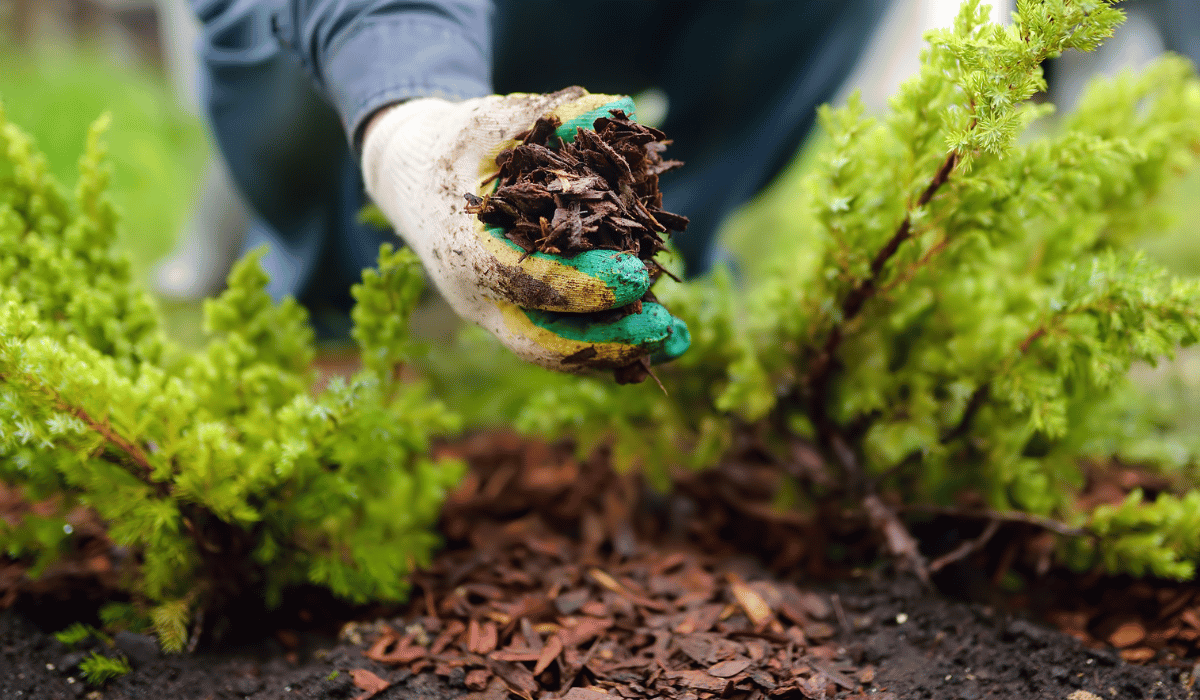
Elevate your mailbox gardens with these low-effort finishing touches:
1. Mulch
Apply a layer of mulch around the base of the plants to retain moisture, suppress weeds, and create a polished look. Opt for long-lasting, shredded mulch varieties to minimize reapplication throughout the season.
2. Decorative Edging
Installing edging, like low-profile plastic or metal borders, defines the garden bed and prevents grass from encroaching. Consider pre-curved edging options for a faster and easier installation process.
3. Accessories & Lighting
- Lighting: Solar-powered or low-voltage LED lights not only highlight your landscaping at night but also improve safety and visibility for tenants and mail carriers.
- Accessories: Add personality with birdhouses, small sculptures, or a welcoming mat at the base. Decorative mailbox covers and hanging planters can provide seasonal color without much effort.
4. Creative Accessories
Small details can make a big impact. Try these creative additions to give your mailbox area extra personality and charm:
- Birdhouses: Attach a birdhouse to your mailbox post to invite feathered friends and add a whimsical touch.
- Sculptures: Place a small, weather-resistant sculpture nearby to reflect your—or your property’s—unique style.
- Welcome Mats: Place a durable welcome mat at the base of your mailbox for a friendly, finished appearance that greets tenants and mail carriers alike.
- Mailbox Covers: Use decorative covers to bring seasonal flair or coordinate with the property’s exterior palette.
4. Planters and Baskets
Add color and height by incorporating planters and baskets around your mailbox:
- Hang a basket of trailing flowers or greenery from the mailbox arm for instant curb appeal.
- Attach small planters to the post and fill them with easy-care annuals or cascading vines.
- Stack pots or wooden crates beside the mailbox to create a tiered effect with various heights and textures.
These simple enhancements not only boost visual interest but also help your rental property stand out—without adding much to your maintenance schedule.
With these practical tips and creative ideas, you can transform even the simplest mailbox into a curbside showpiece—helping your property stand out and attracting quality tenants, all without adding significant work to your plate.
Simple Maintenance Tips for Lasting Curb Appeal
Even the easiest garden setups benefit from a bit of routine care. Keep your mailbox landscape looking its best with these quick maintenance tips:
- Water regularly: Especially during dry spells, ensure your plants stay hydrated.
- Fertilize as needed: Use a slow-release fertilizer to keep flowers blooming and foliage vibrant.
- Prune for neatness: Trim plants to maintain their size and shape, and remove any dead or diseased branches.
- Weed control: Check the bed periodically and remove weeds to keep things tidy.
- Replace as necessary: If a plant isn’t thriving or has outgrown its spot, swap it out for something better suited to the space.
With just a few minutes of attention each week, your mailbox garden can remain a welcoming highlight for your rental property all season long.
Maintenance Tips
- Water plants regularly, especially during hot, dry spells.
- Fertilize as needed to keep blooms vibrant.
- Prune to maintain shape and remove dead or damaged branches.
- Weed routinely to keep the area tidy.
- Replace any plants that aren’t thriving or have outgrown their spot.
Illuminate for Style and Safety
Lighting is a simple upgrade that delivers big results, both in aesthetics and security. A well-lit mailbox area boosts visibility for late-night mail runs and adds another layer of charm to your property’s curb appeal. Here are a few easy-to-install lighting options to consider:
- Solar-Powered Lights: These require no wiring—just stake them in the ground and let the sun do the work. They automatically light up at dusk, making them ideal for busy property owners seeking hands-off maintenance.
- LED Fixtures: Modern LED lights are energy-efficient, weather-resistant, and available in various designs, from sleek strips to small spotlights. They offer a bright, welcoming glow and require little upkeep throughout the year.
- Decorative Lanterns: For extra character, try mounting a vintage-style lantern or weatherproof sconce beside the mailbox post. These add a classic, charming touch—perfect for enhancing both daytime curb appeal and nighttime visibility.
Integrating lighting not only keeps your mailbox area safer but also helps your rentals stand out, even after the sun goes down.
Attract Quality Tenants with Curb Appeal
By implementing these simple yet impactful mailbox landscaping ideas, you can significantly enhance the curb appeal of your rental properties. A well-maintained exterior not only makes a positive first impression on potential tenants but can also translate to higher rental rates and lower vacancy times.
For expert property management solutions that free up your valuable time, Contact Green Ocean Property Management today! We offer comprehensive landscaping services, ensuring your rental properties always look their best, attracting high-quality tenants, and maximizing your return on investment.
Low-Maintenance Mailbox Landscaping Ideas
The easiest mailbox garden beds are built for the conditions they actually get. Most curbside spots sit in full sun with little watering, so choose tough, drought-tolerant plants.
- Full-sun, low-water picks: daylilies, black-eyed Susans, sedum, and ornamental grasses thrive in full sun with minimal care.
- Add mulch to hold moisture and cut down on weeding.
- Keep plants clear of the mailbox door and the road for access and visibility.
Managing curb appeal across a portfolio? Green Ocean Property Management handles landscaping and exterior upkeep.

Green Ocean’s Single and Multifamily Insurance
Insurance is one of those topics that nobody really enjoys talking about, much like going to the dentist, but it is necessary. Having a commercial single family or multi-family property is different than owning and living in it yourself. Things that you should know about Single and Multi-family Insurance Typically, single…
Winter Property Maintenance Checklist: Essential Steps for Landlords
Boston’s winters are renowned for their severity, with plunging temperatures, relentless snow, and ice. For property owners, this can spell trouble if they are not adequately prepared. The challenges posed by such a climate include managing snow and ice buildup, combating the freezing of pipes, and maintaining heating efficiency throughout the season. Understanding and addressing…

Streamline Your Property Management in Boston
Transform your real estate experience with expert property management in Boston. Enhance efficiency, tenant satisfaction, and streamline operations seamlessly.
Experience exceptional management and elevate your property with us