
Water Damage in a Condo: What Happens After the Flood
After a flood in a condo building, removing the standing water is only the start. Water soaks into walls, subfloors and insulation, and if those materials are not dried to a measured goal they can grow mold within days. Proper water mitigation means mapping the damage on day zero with numbered moisture test points, removing…

After a flood in a condo building, removing the standing water is only the start. Water soaks into walls, subfloors and insulation, and if those materials are not dried to a measured goal they can grow mold within days. Proper water mitigation means mapping the damage on day zero with numbered moisture test points, removing materials that can’t be saved, running dehumidifiers and air movers, and reading the same points with the same meter every day until the materials test dry. A same-day drying log with photos of every machine is also what the insurance adjuster needs to pay the claim. Green Ocean’s in-house crew runs every mitigation job this way.
Talk to Green Ocean about your building. Call our team at 617-982-0116.
Read the full transcript
The pipe is fixed. The water is mopped up. Most people think the hard part is over. It isn’t. The water you can’t see is in the walls. The subfloor. The insulation. Miss it, and in a few days you have mold. Here’s how our in-house crew dries a building. Day zero, we map the damage. Number every test point, and mark it right on the wall. Pull out what can’t be saved. Then set the equipment. Dehumidifiers and air movers. Every machine photographed, with its hour meter. Then every day. Same points. Same meter. Same method. Logged until the materials test dry. Not when the air feels dry. When the walls read dry. And because every reading is written down the same day, the insurance adjuster gets the proof. Green Ocean. Boston condo management since 1977, with our own in-house crew.
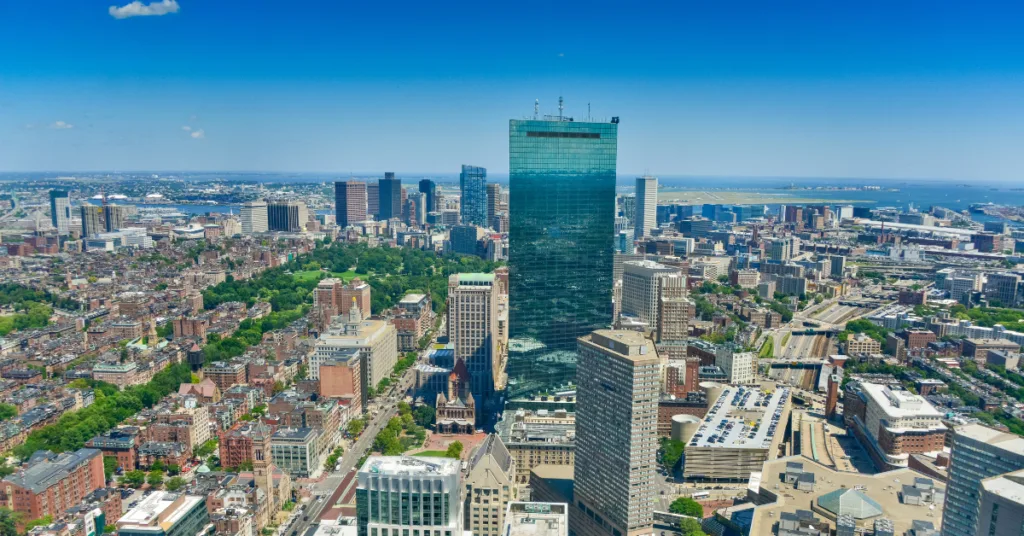
Boston Property: The Ultimate Guide for Buyers, Sellers, and Investors
Boston is a city steeped in history and brimming with cultural vibrancy. Due to the dynamic lifestyle amidst the architectural splendor that Boston offers, it has long held a unique allure for both homeowners and investors. In this Boston property guide, we go on a journey through the diverse realm of Boston real estate….
How to Prevent Ice Dams on a Boston Condo Building
To prevent ice dams on a Boston condo building, stop heat from reaching the roof deck: seal and insulate the attic, clear gutters before winter, rake the roof edge after heavy snow, and add heat cable where ice built up last year. Ice dams form when attic heat melts roof snow and the water refreezes…

2027 Condo Loan Reserve Requirements: What Boston Boards Should Know
Short version: For applicable Fannie Mae Full Review condo loans with application dates on or after January 4, 2027, the minimum replacement-reserve allocation rises from 10% to 15% of annual budgeted assessment income. This is a mortgage project-eligibility standard, not a Massachusetts law requiring every association to fund reserves at 15%. A shortfall may affect…
4.9 stars on 1,000+ Google reviews. Managing Boston property since 1977.