
Keeping Up with Maintenance: 4 Tips for Efficient Property Repairs
As a property owner, keeping your investment in tip-top shape is essential. But for rental property owners, the stakes are even higher. Regular maintenance isn’t just about preserving the value of your property; it’s about ensuring the safety and comfort of your tenants. Proactive maintenance saves you money in the long run by preventing small…
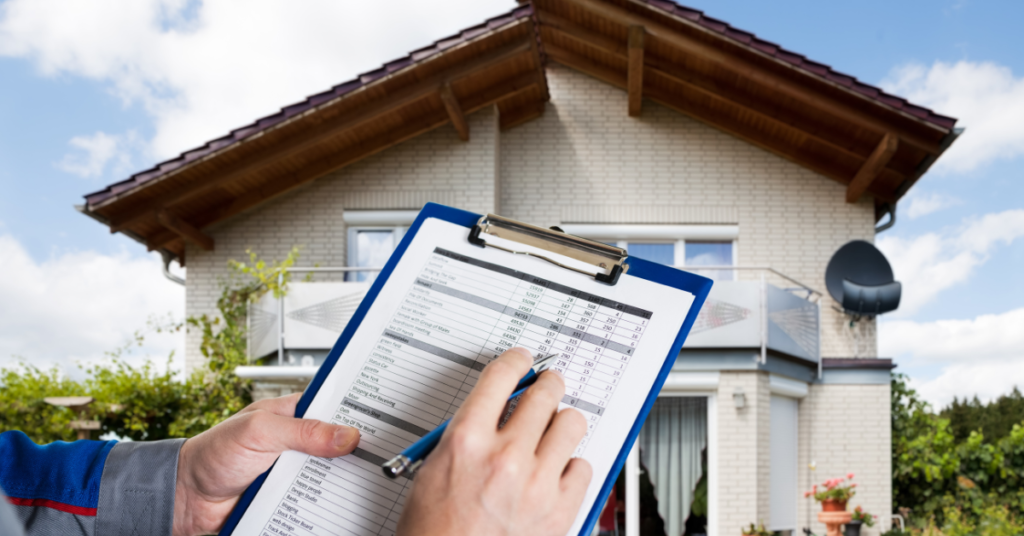
As a property owner, keeping your investment in tip-top shape is essential. But for rental property owners, the stakes are even higher. Regular maintenance isn’t just about preserving the value of your property; it’s about ensuring the safety and comfort of your tenants. Proactive maintenance saves you money in the long run by preventing small issues from snowballing into major repairs. It also helps attract and retain quality tenants who appreciate a well-maintained living space.
In this blog post, we’ll equip you with the knowledge and tools to streamline your maintenance routine and ensure efficient property repairs.
Table of Contents
1. Develop a Maintenance Plan
The cornerstone of efficient property repairs is a well-defined maintenance schedule. This plan should be tailored to your specific property type. A single-family home will have different maintenance needs compared to a multi-unit apartment building.
Why Budgeting for Maintenance Matters
For multi-family property owners, establishing a solid maintenance budget isn’t just good practice—it’s key to protecting your investment’s health and value over time. When you create a clear budget for repairs and upkeep, you’re not only prepared for routine maintenance, but you’re also fortifying your finances against surprise emergencies.
A well-structured maintenance budget brings a host of benefits:
- Financial Control: You can plan for regular expenses like landscaping, cleaning, and system inspections, making cash flow more predictable.
- Preparedness: Setting funds aside for occasional emergencies—think unexpected plumbing leaks or HVAC breakdowns—means you can respond quickly without scrambling for resources.
- Preventative Savings: Proactive budgeting ensures you take care of smaller issues before they balloon into major, costly repairs. Scheduling regular roof checks or servicing HVAC units, for example, can prevent expensive fixes down the line.
Having a budget in place also means you can track where your money goes. Referencing last year’s repair history or maintenance logs can help you accurately estimate future needs. Plus, regularly reviewing and updating your budget as circumstances change keeps things running smoothly.
Ultimately, proactive budgeting doesn’t just save you money—it also helps preserve and boost your property’s value. Well-maintained buildings attract happier tenants, reduce costly vacancies, and build positive word-of-mouth. Over time, a thoughtful maintenance budgeting strategy is what separates stable, profitable properties from those constantly playing catch-up.
Leveraging Technology for Maintenance Management
Managing maintenance for multi-family properties can feel like juggling flaming batons, but thankfully, technology is here to keep the sparks contained. Modern tools and software platforms bring a new level of organization and visibility to the repair process, making life easier for both property owners and tenants.
Here’s how technology steps up:
- Centralized Task Tracking: Software like Buildium, AppFolio, and Propertyware creates a hub where you can assign, schedule, and monitor repairs. Instead of digging through old notes or playing phone tag with your maintenance crew, you’ll see all open tasks and their status at a glance—no sticky notes required.
- Real-Time Updates: Many platforms send instant notifications when a repair request is submitted, accepted, or completed. This keeps everyone—from property managers to on-site staff—in the loop, ensuring nothing gets missed.
- Automated Scheduling: Recurring tasks such as HVAC servicing, gutter cleaning, or seasonal landscaping can be scheduled automatically. This reduces the risk of forgetting critical upkeep, and helps you avoid costly surprises.
- Maintenance History at Your Fingertips: Digital logs keep records of every repair and inspection. These logs come in handy for spotting recurring problems, planning preventative measures, or providing documentation when selling a property or managing a warranty claim.
By making use of these technological tools, you’ll spend less time putting out fires (figuratively, and hopefully literally) and more time focusing on the bigger picture of property management.
Here’s how to craft your plan:
- Categorize by Frequency: Break down tasks into monthly, quarterly, and annual categories. Monthly tasks might include checking smoke detector batteries and air filters, while annual tasks could involve scheduling professional HVAC cleaning.
Seasonal Maintenance: Tuning Up Your Property Year-Round
Seasonal maintenance is all about timing—tackling the right tasks at the right time to keep your property running like a well-oiled machine, no matter what Mother Nature throws your way. Think of it as giving your building its own wardrobe change each season, so it’s ready for whatever comes next. For multi-family properties, this approach isn’t just smart—it’s essential for long-term durability and happy tenants.
Here’s a breakdown of what seasonal maintenance entails and why it’s non-negotiable:
Winter Prep:
When temperatures drop, it’s time to insulate exposed pipes to prevent inconvenient (and expensive) freezes, double-check heating systems so residents stay warm, and clear gutters to dodge ice dams. And unless you want a scene straight out of a holiday slapstick movie, make sure walkways and parking areas are clear of snow and ice.
Spring Launch:
As the world thaws, spring is your cue to inspect the exterior for winter damage, refresh landscaping, and set up pest control before critters and crawlies make themselves too comfortable. Now’s also prime time to get AC units serviced—no one wants sweaty tenants when the first heat wave hits.
Summer Upkeep:
Longer days mean more wear and tear on cooling systems, irrigation networks, and even common spaces like pools. Give these all a thorough checkup, and use the calmer weather to repair or reseal windows and doors to keep energy bills in check.
Fall Readiness:
Before the cold returns, clean those gutters again, have heating systems serviced, and give trees a trim to prevent storm-damaged limbs from causing a headache. A proactive fall season means fewer frantic winter fixes.
Why it Matters:
- Stops Small Issues from Snowballing: Spotting problems early—like a leaky roof or faulty HVAC—can save you from major repairs (and major bills) down the line.
- Protects Your Investment: Regular seasonal maintenance keeps the property’s value strong and curb appeal high.
- Keeps Tenants Happy—and Safe: Well-maintained spaces don’t just look better. They help prevent accidents and keep residents comfortable all year.
- Boosts Tenant Retention: People notice when a property is cared for. Prompt, seasonal upkeep means tenants are more likely to renew their lease and recommend your property to friends.
In short, seasonal maintenance is like giving your property a tune-up four times a year. Stay on top of it, and you’ll find managing repairs is smoother, less stressful, and far less costly in the long run.
Why Task Categorization Matters in Your Maintenance Budget
Categorizing maintenance tasks in your budget isn’t just about keeping things organized—it’s about making sure your property runs smoothly without any unwelcome surprises. Different property components wear down at different rates, so lumping everything together can leave you scrambling for funds when something urgent pops up.
Here’s why task categorization is essential:
- Helps Forecast Costs More Accurately: By breaking out routine, preventative, and emergency tasks, you can better anticipate what funds you’ll need throughout the year. For example, while landscaping and HVAC servicing are near-certainties, an emergency plumbing mishap is a wild card—plan for both, and you’re less likely to be caught off guard.
- Avoids Overspending (or Underfunding): If you treat every task as equally urgent, your wallet will feel the pain. Instead, routine jobs like cleaning or inspections can be budgeted at regular intervals, while you set aside an emergency stash for those just-in-case scenarios.
- Supports Smarter Prioritization: Some repairs can wait; others can’t. Clear categories make it easier to spot which issues are must-fixes and which can be scheduled later, ensuring resources are allocated where they matter most.
- Increases Flexibility: Life happens. Regularly reviewing and updating these categories in your budget ensures you’re ready for normal wear and tear (and the surprises too) without sidelining your financial goals.
By giving each type of maintenance its own section in your budget, you’ll protect your property, peace of mind, and bottom line.
- Preventative is Key: Include preventative maintenance tasks like filter replacements and appliance cleanings to nip potential problems in the bud.
Embrace Technology for Better Outcomes
While traditional maintenance plans set the foundation, integrating technology takes your property’s upkeep to the next level—especially for multi-family buildings. Leveraging tools like digital maintenance tracking systems, smart home sensors, and work order apps (think: Buildium, AppFolio, or even a simple Google Sheets setup) streamlines communication between tenants, property managers, and service providers.
Proactive maintenance gets easier, too. Automated reminders catch routine tasks before they slip through the cracks, while smart sensors can alert you to leaks or HVAC issues long before they spiral into costly repairs. That means fewer surprises, faster response times, and, over the long term, a property that’s safer, more valuable, and more attractive to tenants.
Routine Inspection Checklist
No maintenance plan is complete without a solid inspection checklist—think of it as your property’s health report card. Whether you manage a cozy duplex or a sprawling apartment building, regular reviews help you spot small issues before they snowball into expensive repairs.
Be sure to cover these bases on each walkthrough:
- Exterior Essentials: Scan the roof for missing shingles or signs of wear, check gutters and downspouts for clogs or leaks, and walk the perimeter to identify cracks in the foundation. Don’t forget to test window and door seals for any drafty spots.
- Interior Basics: Press the test buttons on smoke and carbon monoxide detectors, check under sinks and around toilets for plumbing leaks, and give all light fixtures and outlets a quick function check. Confirm the HVAC system is running smoothly—this can be as simple as ensuring vents aren’t blocked and filters look fresh.
- Common Areas: Walk hallways and entryways to spot any safety hazards or needed clean-ups. Give fire extinguishers and emergency exits a once-over to confirm everything is accessible and up to code. And finally, flick on lights to ensure communal spaces are well-lit and welcoming.
With this routine, you’ll not only keep your property in top shape but also make sure tenants feel safe, comfortable, and cared for.
Key Areas to Include in Your Inspections
When building out your maintenance plan, it’s smart to know where to look during regular walk-throughs. Overlooking key trouble spots can lead to costly surprises down the road. Here’s a handy checklist of the most critical areas to keep on your radar:
- Roof and Gutters: Scan for cracked or missing shingles, soft spots, or blocked gutters. Even minor roof issues can lead to major leaks and water damage if ignored.
- Plumbing: Examine pipes under sinks, around water heaters, and in basements for drips or corrosion. Early detection of leaks saves you from water woes (and skyrocketing water bills).
- Electrical System: Double-check outlets, switches, and breaker panels. Watch for flickering lights, warm plates, or exposed wires—tiny signals that bigger electrical gremlins may be lurking.
- HVAC Units: Test the heating and cooling before the seasons change. Change filters, clear debris, and listen for odd noises—just because it runs doesn’t mean it’s running well!
- Structural Integrity: Look over walls, ceilings, foundations, and balconies for cracks or visible shifting. Spotting these issues early helps you avoid expensive structural repairs later.
- Common Areas: Don’t forget shared spaces. Give hallways, staircases, and amenities a once-over, making sure they’re clean, brightly lit, and free of hazards. Tenants notice—and appreciate—well-kept common areas.
By making these inspections routine, you’ll catch small problems before they become budget-busting headaches.
The Importance of Seasonal Maintenance
Seasonal upkeep isn’t just about making sure your gutters are leaf-free in November. By staying ahead of the game, you can spot potential trouble before it snowballs into an expensive, time-consuming headache.
There are a few big ways seasonal maintenance pays off:
- Avoid Costly Surprises: Regular inspections and tune-ups—think winterizing your pipes or servicing the HVAC before scorching summer kicks in—help flag small issues before they become major repairs.
- Maintain or Boost Property Value: Properties that receive consistent care stay in better shape over time. This curb-to-roof attention helps your investment retain its value, or even increase it, when compared to similar but neglected properties.
- Promote Safety: Taking care of seasonal tasks like clearing icy walkways or managing pest prevention directly contributes to tenant safety and peace of mind.
- Keep Tenants Happy: Nobody likes a surprise cold shower or a broken heater in January. Staying ahead with scheduled maintenance means fewer complaints and happier tenants, which can lead to better retention and glowing testimonials.
Being proactive with seasonal maintenance is the unsung hero of property management, helping you protect both your property and your bottom line.
Seasonal Maintenance Tasks to Keep Your Property in Top Shape
Staying ahead of seasonal maintenance isn’t just about prevention—it’s about protecting your investment and saving yourself some future headaches. Here are the key maintenance tasks you’ll want to tackle as the seasons change:
Winter
- Insulate Water Lines: Wrap exposed pipes and disconnect any outdoor hoses to reduce the risk of freezing. On particularly cold nights, let faucets drip to keep water moving.
- Tune Up the Heating System: Schedule a professional checkup for your furnace or boiler, and swap out air filters for better efficiency.
- Check the Roof & Gutters: Make sure gutters are clear and keep an eye out for damaged shingles or leaks that could worsen under snow and ice.
- Plan for Snow and Ice: Have a reliable snow removal strategy for walkways and driveways, and stock up on salt or ice melt to keep paths safe for residents.
Spring
- Landscaping Refresh: Address any winter damage by reseeding lawns, pruning trees, and planting new flowers or shrubs.
- A/C Inspection: Get those air conditioners cleaned and serviced before the heat hits. Replacing filters and cleaning coils go a long way here.
- Exterior Checkup: Walk the exterior for signs of winter wear and tear—look for cracks in foundations, siding damage, or potential leaks.
- Pest Protection: Arrange for pest control services to keep critters from making themselves at home as temperatures rise.
Summer
- Optimize Cooling Systems: Inspect and clean HVAC air ducts and ensure cooling systems are in good working order during peak usage.
- Maintain Irrigation: Test sprinkler systems for leaks or coverage problems, and repair any breakages.
- Keep Pools Pristine: If your property boasts a pool, stick to a maintenance routine with regular cleaning, chemical checks, and safety inspections.
- Weatherproof Windows & Doors: Inspect seals and weatherstripping, repairing or replacing as needed to boost energy efficiency.
Fall
- Gutter Duty: Clear away fallen leaves and debris from gutters and downspouts to prevent water backup as rainy season approaches.
- Prep for Heating: Schedule another checkup for your heating system—replace filters and check thermostats for accuracy.
- Roof Review: Do a final inspection of the roof to resolve any minor issues before winter storms.
- Tree and Shrub Care: Trim branches away from roofs and power lines to prevent storm damage.
Sticking to these seasonal checklists not only makes your maintenance plan complete, but it also prepares you for the unexpected.
Share a Maintenance Calendar with Tenants
Distributing a clear maintenance calendar to your tenants isn’t just good manners—it’s smart management. By laying out when routine checks and seasonal tasks will happen, you help tenants stay informed and involved. This transparency not only builds trust, but also emphasizes the shared responsibility of caring for the property.
Benefits include:
- Fewer Surprises: Tenants know what to expect and when, reducing confusion and after-hours panic calls.
- Promotes Accountability: When tenants see the bigger picture of your maintenance efforts, they’re more likely to report issues early—before they become expensive headaches.
- Smooth Scheduling: With everyone on the same page, access for repairs or filters is much easier to coordinate.
- Educational Value: A calendar can gently remind tenants about simple upkeep—like replacing batteries or prepping for winter—which protects your investment and their comfort.
By making maintenance a team effort, you’ll foster positive tenant relationships and keep your property running smoothly.
The Benefits of Regularly Reviewing Your Maintenance Budget
Staying on top of your maintenance budget isn’t just about penciling in numbers—it’s about setting yourself up for long-term success. By routinely reviewing and tweaking your budget, you unlock several key advantages:
- Stay Ahead of Surprise Costs: Unexpected repairs are part of property ownership. Regular budget check-ins help ensure you’ve got a cushion in place for those curveballs, so they don’t derail your finances.
- Make Smarter Allocations: As trends shift—maybe this year’s surprise is a string of leaky faucets—updating your budget lets you allocate resources accordingly, without neglecting other priorities.
- Spot Issues Early: Monitoring actual expenses against your estimates can reveal problem areas, like a rapidly aging roof or unusually frequent appliance breakdowns, allowing you to address them before they balloon.
- Keep Financial Goals on Track: A flexible, regularly reviewed budget means you won’t have to sacrifice your broader financial plans, whether that’s saving for upgrades or expanding your rental portfolio.
Bottom line: a maintenance budget isn’t set-and-forget. Tuning it up regularly helps you manage repairs more efficiently, avoid nasty surprises, and build a resilient, well-maintained property.
Budgeting for Routine, Preventative, and Emergency Maintenance
Smart property management isn’t just about spotting issues—it’s about being ready for them financially. Allocating funds across routine, preventative, and emergency maintenance helps avoid nasty surprises and keeps everything running smoothly.
Here’s how to organize your maintenance budget:
- Start with a Property Review: Take a lap around your property (or properties) and make note of recurring needs. Pay extra attention to “usual suspects” like the HVAC system, plumbing, roofing, and the exterior.
- Use Your History: If you’ve owned the property for a while, look back on past maintenance and repair expenses. These historical numbers can offer surprisingly accurate clues about future costs.
- Create Budget Buckets:
- Routine Maintenance: Set aside funds for predictable tasks—think landscaping, cleaning, and scheduled inspections. These are the “set-your-watch-by-it” expenses.
- Preventative Maintenance: Budget for jobs that prolong the life of your property’s components. Annual HVAC check-ups, gutter cleaning, and pest control may not seem urgent, but skipping them can lead to costly headaches down the line.
- Emergency Repairs: Keep a separate reserve for those unexpected emergencies—the midnight pipe burst or a wayward tree limb. This stash cushions the blow when disaster strikes without derailing your regular budget.
- Stay Flexible: It’s wise to review your maintenance budget at least annually, adjusting your allocations based on actual expenses or any new quirks your property develops. Don’t be afraid to shift funds as needs arise.
By systematically planning and maintaining separate funds for different types of maintenance, you’ll avoid scrambling when issues pop up—and you’ll keep your property running like a well-oiled machine.
Why Stick to a Seasonal Maintenance Schedule?
So, you’ve got your maintenance plan mapped out—now, let’s talk about why following a seasonal maintenance schedule isn’t just a suggestion, but a necessity.
It’s all about prevention: Tackling minor issues at the right time of year can stop them from ballooning into wallet-draining disasters. Think of it as flossing for your property—small efforts now keep headaches at bay later.
Property value stays robust: Keeping everything in working order—from heating systems to gutters—helps preserve your property’s appeal and prevents the kind of wear and tear that drags down value over time. Tenants notice when a property is cared for, and so do prospective buyers.
Safety leads the way: Icy stairs, neglected pest problems, or a faulty furnace are more than nuisances—they can quickly become true emergencies. Seasonal checkups help nip these risks before anyone has to break out the emergency tool kit.
Happy tenants, happy life: Residents love living in a place where things just work. That satisfaction leads to glowing reviews and longer leases. Nothing beats a tenant tell-all that highlights how issues were addressed before they even cropped up.
In short, treating seasonal maintenance as non-negotiable means fewer surprises, fewer frantic phone calls, and a property that shines year-round—making life easier for everyone involved.
Leverage Smart Technology
Today’s property management isn’t just about elbow grease—it’s about smart solutions, too. Enter the Internet of Things (IoT). Integrating devices like smart leak detectors and thermostats from brands such as Nest or Honeywell can give you real-time updates on your property’s condition, even if you’re sipping coffee miles away.
These sensors act as your eyes and ears when you’re not on-site. For instance, a water leak sensor can notify you via app the moment it detects moisture—letting you leap into action before a drip turns into a deluge. Smart thermostats, meanwhile, help maintain optimal temperatures and spot HVAC issues early by tracking unusual usage patterns or sudden temperature drops.
The bottom line? Smart technology keeps you ahead of costly surprises, streamlining your maintenance plan and protecting your investment—no plumbing prowess required.
Leverage Technology to Streamline Maintenance
Embracing technology can turn even the most daunting maintenance tasks into manageable to-dos. These days, property owners have access to a suite of digital tools designed to make upkeep easier, more organized, and less stressful.
Here are some types of technology worth considering:
- Maintenance Management Software: Tools like Buildium and AppFolio centralize all your repair requests, automate recurring tasks, and give you instant updates on work progress—so no repair gets lost in the shuffle.
- Communication Platforms: Apps such as Slack or WhatsApp allow you and your maintenance crew to coordinate in real time, ensuring the right person is on the job quickly and efficiently.
- Inspection Apps: Mobile solutions like HappyCo or Inspect & Cloud replace clipboards with smartphones. They let you record issues, upload photos, and generate reports while walking the property, making follow-ups and accountability much simpler.
- Smart Home Devices: Internet-connected sensors—think leak detectors under sinks or smart thermostats—can send an alert straight to your phone if something’s amiss. This early warning system helps you address issues before they snowball into costly repairs.
By harnessing these tools, you create a property maintenance routine that’s proactive, not reactive—saving both time and money in the long run.
Leverage Technology for Smoother Maintenance and Smarter Spending
Embracing technology isn’t just a modern convenience—it’s a powerful asset for keeping your property humming along efficiently and affordably. By incorporating maintenance management software (think: Buildium, AppFolio, or even simple tools like Google Sheets), you can cut out paperwork, reduce headaches, and ensure nothing slips through the cracks.
Here’s how technology steps up your maintenance game:
- Streamline Communication: Maintenance requests submitted online are instantly logged, organized, and tracked. No more sticky notes or overlooked voicemails—everyone stays in the loop, and requests are handled faster.
- Save Time: Automated reminders for regular maintenance (like gutter cleaning or HVAC check-ups) free up your calendar and prevent last-minute scrambles.
- Track Costs with Ease: Most platforms let you monitor repair expenses in real-time, giving you a clear picture of where your money is going. Spot trends, avoid budget-busting surprises, and make informed decisions on future repairs.
- Prevent Costly Emergencies: Scheduled, preventive maintenance prevents small hiccups from snowballing into expensive disasters—saving you money and sparing you late-night emergency calls.
Ultimately, using the right tech tools gives you greater control, accountability, and peace of mind—so you can dedicate more energy to growing your investment rather than chasing down leaky faucets.
Harness the Power of Automation and Digital Records
Modern technology has brought a new level of convenience—and peace of mind—to property maintenance. Automated scheduling tools, like those offered by platforms such as Google Calendar or Buildium, make it a breeze to set recurring reminders for important tasks. Think: furnace filter changes, gutter cleanings, and seasonal HVAC checks. No more relying on memory or sticky notes!
Digitally tracking your maintenance activities is another game-changer. Keeping organized records of every repair and check-up—right down to that finicky bathroom faucet—gives you historical insight into your property’s needs. These logs can help you:
- Spot patterns or recurring issues before they turn into bigger (costlier) problems.
- Plan preventative maintenance more effectively.
- Provide documentation if you ever need to reference a repair for insurance, resale, or regulatory purposes.
Embracing automation and digital records not only saves time, but also helps you stay a step ahead of maintenance headaches.
The Financial Upside of a Maintenance Budget
Let’s talk dollars and sense. Setting up a dedicated maintenance budget isn’t just an exercise in financial discipline—it’s a smart strategy that pays for itself in the long run.
- Fewer Costly Surprises: Staying on top of routine upkeep gives you a fighting chance to catch minor issues—think a hairline crack in the foundation or a rattling A/C—before they become wallet-draining emergencies.
- Protects Your Investment: Regular investments in your property help prevent depreciation and can even push the value upward when it comes time to sell or refinance.
- Smoother Budgeting: With a maintenance budget in place, random repair bills become rare. You gain a clear view of your expenses, making your yearly and monthly cash flow much more predictable.
- Attracts and Retains Tenants: Properties that look good (and function well) keep tenants happy. Fewer move-outs mean steadier rental income—and less time scrambling to fill vacancies.
- Peace of Mind: Perhaps the most underrated perk, knowing you’re financially prepared for the unexpected means less late-night stress when the toilet inevitably starts running at 2am.
A maintenance budget isn’t just about spending less—it’s about making your investment work harder for you.
Utilize Inspection Apps for Better Documentation
In today’s digital age, inspection apps have become invaluable tools for staying on top of property conditions. They simplify the process of documenting maintenance issues, keeping a history of inspections, and ensuring nothing slips through the cracks.
With these apps, you can:
- Digitally Track Property Status: Conduct walk-throughs with your smartphone or tablet, capturing photos and notes that are easily accessible later.
- Standardize Inspections: Use customizable checklists to ensure every unit or area is thoroughly evaluated, no matter who is on duty.
- Create Effortless Reports: Instantly generate organized reports to share with contractors or keep for your records, so you’re always prepared if questions or disputes arise.
- Schedule Follow-Ups: Set reminders for future inspections or repairs, helping prevent recurring issues from being forgotten.
By embracing these technologies, you make it far easier to stay proactive—and transparent—about your property’s condition, and you’ll thank yourself the next time you need accurate records at your fingertips.
Assessing Your Property’s Maintenance Needs
Before you can build a solid maintenance budget, you need a clear understanding of what your property actually requires. Start by rolling up your sleeves and taking a close look at every major component—think roofs, plumbing, HVAC systems, electrical panels, and common areas if you manage multi-units. Make notes of anything that looks tired or has proven pesky in the past, from leaky faucets to mysterious drafts.
Don’t stop with a visual once-over, though. Dig up your records from previous years. Review receipts, work orders, and even those crumpled notes about emergency weekend repairs. Spotting patterns—like a water heater that’s acting its age, or recurring gutter blockages—lets you forecast likely expenses.
By combining current inspections with your property’s maintenance history, you’ll get a realistic picture of what needs attention now, what can wait, and where costs may crop up again. This detective work sets the foundation for a budget that won’t catch you off guard.
Leverage Legal Know-How and Modern Tech
Staying on top of legal requirements and harnessing the right technology can make your property management life a whole lot smoother. By ensuring your property complies with local laws—think safety codes, fair housing regulations, and permitting—you avoid costly fines and keep headaches at bay. Plus, legal compliance builds trust with tenants and attracts quality residents who appreciate a well-run operation.
Now, let’s talk tech. Tools like web-based maintenance trackers, smart home devices, and apps for scheduling repairs mean you can automate reminders, track expenses, and communicate with repair pros more efficiently than ever. Gone are the days of sticky notes and endless spreadsheets—embracing technology means less admin stress and more time for the big-picture work of property ownership.
Be Ready for the Unexpected
When it comes to multi-family property maintenance, emergency preparedness isn’t just a nice-to-have—it’s essential. Building a solid plan for emergencies like fires, floods, or severe storms helps protect both your investment and your tenants’ well-being.
A few reasons to stay prepared:
- Minimize Damage: Quick action can prevent minor issues from spiraling into major (and costly) repairs.
- Ensure Tenant Safety: Clear procedures and accessible emergency contact information allow you and your residents to act fast, keeping everyone safe.
- Boost Tenant Confidence: Tenants feel more secure knowing the property owner or manager has a plan in place for unexpected situations.
Start with a clear emergency communication protocol, post evacuation routes in common areas, and have essential supplies (like fire extinguishers and first-aid kits) on hand and up to date. Ultimately, being prepared makes all the difference when the unexpected comes knocking.
Leverage Maintenance Software for Smarter Decisions
Modern property management is about working smarter, not just harder—and that’s where maintenance software comes into play. These digital tools bring clarity to your repair processes with built-in analytics and customizable reports. Think of it as your property’s health dashboard.
With platforms like Buildium or AppFolio, you can:
- Track Trends: Easily spot recurring issues or areas with higher repair costs, helping you address root problems before they snowball.
- Monitor Spending: Stay on budget by viewing detailed breakdowns of maintenance expenses over time.
- Make Evidence-Based Choices: Use hard data to decide when it’s time to upgrade aging equipment or tweak your maintenance schedule.
In short, maintenance software equips you with the information you need to make more strategic, cost-effective decisions for your property—no crystal ball required.
Leverage Maintenance Tracking Software
Modern property management is made infinitely simpler with the right tech tools. Maintenance tracking software, such as Buildium or AppFolio, lets you stay ahead of repairs and ensure nothing slips through the cracks.
Here’s what these platforms bring to the table:
- Efficient Task Scheduling: Easily assign, schedule, and oversee maintenance tasks, so you always know what needs attention next—no more lost sticky notes or forgotten checklists.
- Real-Time Visibility: Receive instant updates and notifications as jobs progress. With this level of transparency, both you and your maintenance team can coordinate efficiently and avoid miscommunication.
- Work Order Management: Track work orders from start to finish, monitor completion rates, and flag recurring issues, creating an at-a-glance record that’s as easy to access as your morning coffee.
Utilizing one of these user-friendly platforms not only streamlines your workflow but also boosts accountability, ensuring your property stays in tip-top shape year-round.
Prepare for Emergencies
Emergencies rarely announce their arrival, and having a solid emergency plan in place is an often-overlooked element of responsible property management. Taking time upfront to think through “what if” scenarios doesn’t just protect your investment—it reassures tenants and fosters a sense of safety in your community.
Here’s how to get ahead of unexpected events:
- Create a Safety Checklist: Start by making sure every unit and common area is fitted with working smoke detectors (test these regularly!), fire extinguishers, and clearly marked evacuation routes. Consider holding annual fire drills or safety walk-throughs so tenants know what to do during an emergency.
- Storm-Proof Your Property: For properties in hurricane or tornado-prone areas, regularly inspect your building’s structural integrity, reinforce windows and doors where necessary, and subscribe to local weather alerts. Providing tenants with information about local emergency shelters and evacuation procedures can save precious time when storms are on the horizon.
- Stock Essential Emergency Supplies: Designate a place for emergency kits—these should cover the basics like first aid items, flashlights with extra batteries, bottled water, non-perishable food, and a collection of essential tools such as a multi-tool and duct tape. Make sure your emergency binder includes up-to-date copies of insurance policies, key tenant contacts, and a list of local emergency numbers.
- Keep Critical Contacts Handy: Don’t wait until the power’s out to look up phone numbers. Have a list of local emergency services, reliable maintenance staff, and utility providers stored in a spot that’s easily accessible to you and, if appropriate, your tenants.
By weaving emergency preparedness into your regular maintenance plans, you can respond quickly when a crisis hits—minimizing disruption and damage, and reinforcing tenant trust. Proactive planning isn’t just about compliance; it’s a strong signal that you genuinely care for your property and everyone who calls it home.
Be Ready for the Unexpected
No matter how meticulous your routine maintenance may be, emergencies can – and do – happen. Whether it’s a burst pipe, a power outage, or something more severe, having a rock-solid emergency preparedness plan is essential for any multi-family property owner.
Being ready for the unexpected benefits you in several key ways:
- Tenant Safety Comes First: A well-prepared response to emergencies keeps your residents safe and calm, minimizing panic and confusion.
- Reduce Damage and Liability: Fast, organized action during a crisis can dramatically reduce property damage and protect you from costly legal troubles.
- Build Tenant Trust: Tenants notice when you’re prepared. Prompt, effective emergency responses build confidence and foster long-term loyalty.
Consider your emergency plan the safety net that keeps both your property and your tenants secure. By preparing ahead, you’re ensuring your building weathers whatever storms—literal and figurative—may come its way.
Safeguarding Health with Routine Checks
Maintaining high standards of health and sanitation isn’t just about comfort—it’s about protecting everyone who enters your property. Regular pest control and vigilant water quality checks are essential pillars of this approach.
- Keep Unwanted Guests Away: Proactive pest control helps prevent infestations before they take hold, reducing the risk of health issues tied to insects or rodents. Think fewer midnight sprints after a cockroach and peace of mind for everyone living on the premises.
- Deliver Clean, Safe Water: Periodic water system inspections help catch issues early—from mineral buildup in pipes to potential contamination—ensuring tenants always have access to safe drinking and bathing water. After all, nobody wants a surprise taste test of rust in their morning coffee.
By making these practices part of your maintenance plan, you not only meet essential health standards, but also foster a safer, more pleasant environment for your tenants.
Establish an Emergency Plan
No property maintenance checklist is complete without preparation for emergencies—which, unfortunately, tend to strike at the least convenient times. Taking proactive steps now can make all the difference during a crisis.
Here’s how to ensure you and your tenants are ready:
- Fire Preparedness: Test all smoke detectors regularly and keep batteries fresh (hint: bundle this with your monthly maintenance!). Place fire extinguishers where they’re easy to access, and go the extra mile by sharing quick-use instructions with tenants. Mark clear evacuation routes in every building and consider running occasional fire drills to keep everyone familiar with the process.
- Natural Disaster Readiness: Sign up for city or county weather alert notifications so you’re the first to know about incoming storms, hurricanes, or tornadoes. Make routine inspections to reinforce windows, doors, and roofs—particularly before storm season. Share emergency shelter locations and evacuation procedures with your tenants, just as you would provide move-in instructions.
- Communication Protocols: Have an updated contact list and establish a method (text, call list, group email) to quickly notify tenants about emergencies. The fastest heads-up can give people critical minutes in an urgent situation.
By weaving emergency planning into your regular maintenance routine, you help keep your property—and the people in it—safer and better prepared for whatever Mother Nature (or Murphy’s Law) throws your way.
Stay Compliant with Building Codes
Keeping your property safe and up to code requires more than a once-over with a level and a prayer. Make regular inspections part of your routine—look out for issues with foundations, roofing, electrical systems, and more. If you spot something off, address it swiftly so small repairs don’t balloon into costly, code-violating headaches down the line.
When the time comes for bigger projects or renovations, be diligent about securing the right permits before anyone swings a hammer. Always check with your local authorities or building department to ensure your repairs and upgrades align with current regulations. It’s worth the extra legwork to avoid fines and keep your property—and its occupants—safe.
Ensure Fire Safety Compliance
Staying compliant with fire safety regulations comes down to routine checks and clear communication. First, make sure every unit is equipped with working smoke detectors and fire extinguishers. Test these regularly and swap out batteries before they run low—think spring cleaning, but with less dust and more beeping.
Don’t overlook your exits. Emergency pathways should be clutter-free at all times. It’s a good habit to walk these routes monthly, just to catch anything out of place.
Finally, keep tenants in the loop. Distribute simple instructions for evacuation procedures and hold the occasional fire drill (yes, your tenants will grumble, but it’s worth it). When in doubt, reference local fire codes and consider a quick consult with professional inspectors to catch any blind spots.
2. Prioritize Repairs

Not all repairs are created equal. A leaky pipe requires immediate attention, while a loose doorknob can wait a bit longer. Develop a system for prioritizing repairs based on severity and potential impact. Urgent repairs that affect safety or habitability should be addressed immediately.
The Importance of 24/7 Emergency Support
Imagine it’s midnight and a tenant calls about a burst pipe flooding the basement—delaying until morning isn’t an option. That’s where 24/7 emergency support proves its worth for property owners. Immediate access to professional help means issues like plumbing leaks, electrical failures, or broken heating systems are resolved before they escalate into costly disasters.
This round-the-clock availability not only limits property damage, but also keeps tenants safe and satisfied. When support is always just a phone call away, minor headaches don’t have the chance to turn into major migraines—saving you time, money, and plenty of sleepless nights.
2a. Why Keep Emergency Contacts Handy?
When something goes wrong, time is of the essence. Having a well-organized list of emergency contacts is an essential part of your property management toolkit. Here’s why it matters:
- Faster Response: In any urgent situation—think burst pipes or electrical outages—a quick call to the right professional can mean the difference between a minor inconvenience and major property damage.
- Peace of Mind: Both you and your tenants gain reassurance knowing you’re prepared to handle emergencies efficiently. This helps build trust and enhances your reputation as a responsive property owner.
- Safety First: Keeping contacts for local fire, police, medical services, and utility companies close at hand ensures critical help arrives promptly when needed.
In short, preparation isn’t just about maintenance; it’s also about being ready for the unexpected. The best property managers make sure that help is always just a phone call away.
3. Prepare for Emergencies: Build Trust and Safeguard Tenants
Emergencies are unpredictable, but your response doesn’t have to be. When you have a solid emergency preparedness plan in place, you’re not just protecting your property—you’re building trust with your tenants.
How does this help?
- Boosts Tenant Confidence: Tenants feel reassured knowing you’ve mapped out clear procedures for fires, floods, power outages, and other unforeseen setbacks. This sense of security makes them more likely to stay long-term and recommend your property to others.
- Faster, Safer Responses: With contact lists, evacuation routes, and emergency supply kits ready to go, both you and your tenants can act quickly if trouble strikes. Fast response times reduce the risk of injuries and can minimize property damage.
- Demonstrates Professionalism: A proactive approach sends the message that you genuinely care about tenant well-being—not just rent collection. This care doesn’t go unnoticed, especially during stressful situations.
In short, a well-prepared landlord is one that tenants can rely on—no matter what curveballs life throws their way.
Stock an Emergency Kit
Every property manager should have a well-stocked emergency kit on hand, especially in multi-family buildings where unexpected situations can affect multiple households at once. Think of it as your property’s own “just in case” toolbox.
Here’s what to include:
- Basic First Aid Supplies: Bandages, antiseptic wipes, gauze, gloves, and common pain relievers are a must. You never know when a minor scrape or an unfortunate kitchen mishap might occur.
- Lighting Essentials: Flashlights and extra batteries can be a lifesaver during a power outage. Rechargeable lanterns and even glow sticks are helpful for common hallways or stairwells.
- Emergency Water and Non-Perishable Food: Include enough bottled water and shelf-stable snacks to sustain residents for at least 72 hours.
- Practical Tools: A multi-tool, duct tape, a small wrench, and a whistle can help address everything from leaky pipes to calling for help in an emergency.
- Key Documents: Keep up-to-date copies of insurance policies, emergency contacts, tenant lists, and local emergency numbers in a waterproof bag.
Having these essentials on-site makes it easier to respond quickly, keep tenants calm, and minimize disruption when the unexpected strikes.
4. Find Reliable Repair Professionals
Having a network of trustworthy repair professionals is crucial. Here’s how to find them:
- Seek Recommendations: Ask fellow property owners, real estate agents, or even your tenants for referrals.
- Check Online Reviews: Utilize online review platforms to research potential contractors and get a sense of their customer service and quality of work.
- Compare Quotes: Don’t settle for the first offer. Get quotes from several contractors to compare prices and services offered.
- Build Relationships: Building relationships with reliable service providers can ensure prompt response times when repairs are needed.
5. Communication is Key

Open communication is vital for efficient repairs. Keep your tenants informed about upcoming maintenance and repairs.
Why Use Multiple Communication Platforms with Tenants?
No two tenants communicate the same way. One might check their emails religiously, while another prefers the instant ping of a text message. And let’s not forget the resident who still relies on that trusty bulletin board in the lobby.
By utilizing a variety of communication methods—like emails, text messages, mobile apps, and on-site bulletin boards—you ensure no one is left out of the loop. Digital tools (think: Gmail, WhatsApp, or property management portals) offer speed and convenience, while physical notices in common areas are perfect for tenants who aren’t glued to their screens.
This multi-channel approach not only increases the chances that your message is seen, but it also demonstrates that you value and respect different preferences in your community. Clear, inclusive communication keeps everyone informed, minimizes misunderstandings, and ultimately helps resolve maintenance issues faster and more efficiently.
The Power of Clear Communication
Using clear and concise language when communicating with tenants helps prevent misunderstandings and ensures everyone’s on the same page. When you skip the technical jargon and stick to straightforward explanations, tenants know exactly what to expect—whether it’s about upcoming repairs, maintenance procedures, or changes in policy.
Consistent messaging also reinforces trust. When your communications are always direct and aligned with your property’s policies, tenants are less likely to be caught off guard or confused about next steps. This clarity not only keeps day-to-day interactions smoother but also supports positive tenant relationships for the long run.
Establish clear channels for them to report any issues.
Encourage Prompt Reporting from Tenants
Encouraging your tenants to report maintenance issues promptly is just as important as staying organized on your end. When tenants let you know about leaks, electrical glitches, or even suspicious noises early, it’s far easier—and often much cheaper—to nip these problems in the bud. Left unattended, that “tiny drip” can transform into a full-blown flood faster than you can say “water damage deductible.”
Quick reporting also helps:
- Prevent minor problems from ballooning into costly repairs.
- Maintain a safe, comfortable environment for everyone in the building.
- Protect your property value, since early intervention typically means less long-term damage.
Plus, tenants who see their concerns taken seriously are more likely to treat the property with care and renew their lease—making life easier for everyone involved. Make it easy for tenants to reach out by offering multiple ways to contact you (phone, email, or even a simple online portal). This establishes a strong sense of teamwork and trust that pays off in the long run and be responsive and transparent about timelines and costs (when applicable).
6. Encourage Tenant Participation
Proactive tenants can make a world of difference when it comes to maintaining your property. Here’s how you can foster greater involvement:
- Establish Feedback Loops: Set up simple ways for tenants to share their thoughts on maintenance—think regular surveys, digital suggestion boxes, or even a dedicated email address.
- Prompt Issue Reporting: Remind residents that early reporting helps keep the property running smoothly. Make the process as easy as possible, whether online, via text, or through an app.
- Offer Incentives: Consider small rewards for tenants who report issues promptly or participate in community clean-up days. A gift card or rent discount can go a long way toward building a team spirit around property care.
Inviting tenants to take an active role not only nips problems in the bud but also builds a stronger sense of community within your property.
Leverage Digital Communication Tools
Modern communication platforms can be game-changers for property repairs. Tools like Slack and WhatsApp allow maintenance staff and property managers to coordinate repairs in real time. Whether it’s sending group messages, sharing updates on job status, or quickly dispatching urgent tasks, these apps keep everyone in the loop—even if they’re scattered across different properties.
The benefits include:
- Instant Updates: Get immediate notifications about new issues or status changes, reducing response time.
- Documented Conversations: Maintain a history of all maintenance discussions and decisions for future reference.
- Group Coordination: Easily loop in relevant team members, assign tasks, and track progress without back-and-forth emails.
By implementing these communication platforms, you ensure minor issues don’t fall through the cracks and urgent repairs are coordinated swiftly, keeping operations smooth and tenants satisfied.
7. Harness Tenant Feedback
Regular interaction with your tenants can work wonders for maintenance satisfaction. Hosting periodic meetings gives residents the chance to voice concerns, discuss upcoming plans, and stay in the loop—all of which build trust and foster a sense of community.
Another powerful tool is tenant surveys. Sending out brief, targeted questionnaires not only helps gauge satisfaction levels with your current maintenance efforts, but also uncovers opportunities for improvement you might not have considered. Plus, when tenants see that their input leads to real changes, it shows you value their experience—which can translate to higher satisfaction and longer tenancy.
Gather Tenant Feedback
Collecting feedback from tenants is just as important as making the repairs themselves. Consider setting up a few simple channels for tenants to share their thoughts:
- Online Surveys: Use tools like Google Forms or SurveyMonkey to send quick, anonymous questionnaires after maintenance is completed.
- Email or Text Check-ins: A brief follow-up message asking tenants about their satisfaction can provide immediate feedback.
- Suggestion Boxes: For a more traditional touch, place physical suggestion boxes in common areas—these allow tenants to drop in notes at their convenience.
- Dedicated Feedback Portal: If your property management system allows, offer an online portal where tenants can rate or comment on completed repairs.
Encouraging open feedback not only helps pinpoint problem areas but also shows tenants that their comfort and opinions matter.
Encourage Tenant Cooperation with Incentive Programs
One effective strategy for promoting tenant cooperation in maintenance is to establish incentive programs. By offering rewards—such as gift cards, discounts on rent, or recognition within the community—you can motivate tenants to promptly report maintenance issues or take part in property upkeep activities, like community clean-ups. Not only does this foster a sense of responsibility and pride among residents, but it also helps catch minor problems before they escalate, saving time and money in the long run. Transparent guidelines and clear communication about available incentives will go a long way toward increasing participation and creating a collaborative environment for maintenance.
DIY vs. Hiring Professionals
There’s a place for both DIY projects and professional help. Simple tasks like changing air filters or lightbulbs can be tackled by a handy homeowner. However, complex repairs involving plumbing, electrical work, or major appliance issues should always be left to licensed professionals. Safety should always be the top priority when considering DIY projects.
Professional Maintenance: Consistency and Reliability Matter
When it comes to consistency and reliability, professional maintenance services have a clear edge over tackling repairs yourself. Unlike the DIY approach, which can vary in timing and quality depending on your schedule and experience, professionals operate with tried-and-true processes.
Here’s why you can count on them:
- Scheduled Maintenance: Pros like those from respected companies—think Roto-Rooter for plumbing or Sears Home Services for appliances—offer routine maintenance checks. This means everything from boiler inspections to gutter cleaning happens like clockwork, and minor issues are often caught before they snowball into major headaches.
- Prompt Emergency Response: Most reputable services have 24/7 hotlines, so if your hot water heater bursts at 2 a.m., you’re not left Googling “how to shut off the main valve” in your pajamas. Instead, you get immediate, expert help.
- Fewer Surprises, Higher Standards: The consistency of having certified pros handle maintenance often means longer-lasting repairs and fewer callbacks. Plus, they’re trained to spot warning signs you might overlook—saving you money in the long run.
Of course, DIY approaches can offer a sense of control and initial savings. But without professional training, there’s a higher risk of missing hidden problems or ending up with quick fixes that don’t hold. Investing in professional services may have an upfront cost, but it typically results in long-term reliability, time savings, and peace of mind.
Educational Resources for Staying Informed
Staying up-to-date on property regulations and safety standards is an ongoing responsibility for property owners. Fortunately, a wealth of educational resources are available:
- Online Courses and Webinars: Platforms like Coursera, Udemy, and local real estate associations frequently offer courses covering the latest legal requirements and maintenance best practices.
- Industry Publications: Subscribing to newsletters or journals from organizations such as the National Association of Residential Property Managers (NARPM) or the Institute of Real Estate Management (IREM) can keep you informed on evolving regulations and safety guidelines.
- Workshops and Seminars: Many local government agencies and community colleges provide in-person training sessions, which can be a great way to learn hands-on with experts and network with fellow property owners.
- Professional Forums: Online discussion boards like BiggerPockets allow landlords and property managers to share advice, ask questions, and stay current on trends and regulatory changes.
Investing time in ongoing education helps ensure your property remains compliant and safe, while also keeping you ahead of potential issues before they become costly repairs.
Conclusion
By adopting a proactive maintenance approach, you can significantly reduce the stress and cost associated with property repairs. Remember, preventative maintenance is an investment that pays off in the long run. Take some time to develop a customized maintenance plan for your property, and don’t hesitate to seek help from qualified professionals when needed.
Ready to streamline your property repairs and maintenance for maximum efficiency? Contact Green Ocean Property Management today! Our experienced team is here to provide expert guidance and support to ensure your properties are always in top condition.
Don’t let maintenance issues slow you down—let us help you keep your investment thriving. Reach out now to learn more and schedule a consultation!
A big part of staying efficient across repairs is who you hire — see our guide to hiring the right contractor for multi-property maintenance.

How Does a Key Fob System Work?
In today’s article, we’re going to be covering keys. We already discussed about the master key system in a different session. So today, we will discuss key fobs. What is a Key Fob? Key fobs are the little things that can get you into a building. Instead of using actual keys,…

How We Handle Late Payments
At Green Ocean Property Management, we implement a system for collecting rent online. And if rent still isn’t paid on time, landlords don’t need to worry as here are the steps we take to handle late payments. #1 We have a tenant portal First and foremost, we don’t want any late rent…

How to Reglaze Backsplash Tiles and Tubs to SAVE Money
People are taking showers, washing their dirty bodies every day, resulting in tubs and tiles stains. It gets discolored, grimy, and dirty. This isn’t very interesting to most prospective renters or anybody who is living in the unit, so probably every 4 or 5 years, depending upon the usage, we’re going to go in…
Experience exceptional management and elevate your property with us