
Maximize Rental Profits by Converting Living Rooms
Reading Time: 8 minutes Converting living rooms into other versatile rooms is an effective use of living spaces that can maximize your profits. Today, we explain how we can turn a living room into another usable room. Room, as in “bedroom”? Notice that we did not use the word bedroom. It is because, in many municipalities…
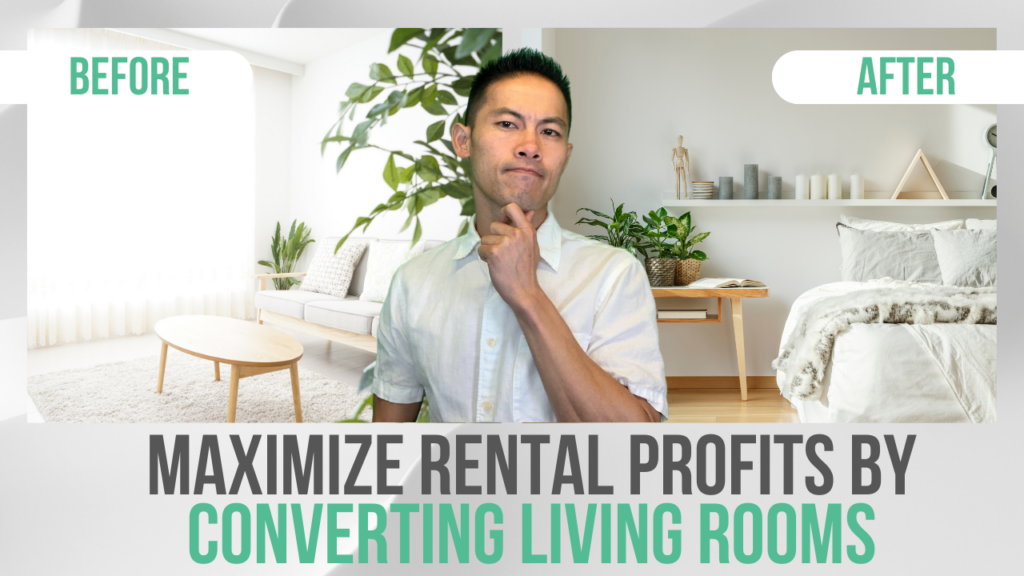
Converting living rooms into other versatile rooms is an effective use of living spaces that can maximize your profits. Today, we explain how we can turn a living room into another usable room.
Room, as in “bedroom”?
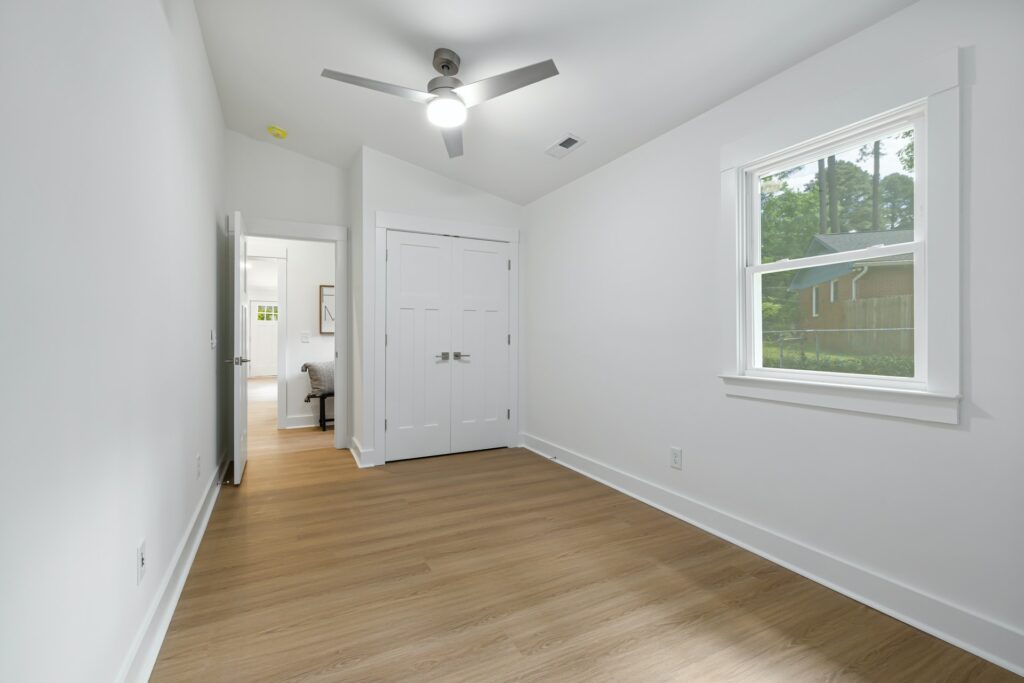
Notice that we did not use the word bedroom. It is because, in many municipalities and cities, it is illegal to turn any space into a bedroom without the approval of the city.
So what is a bedroom? The following are the basic requirements of a room that can be a bedroom:
- At least 70 square feet (7 by 10) – size
- Has a window that opens up to a certain degree (as a means of egress)
- Has a door (as a means of entrance and egress)
- Has a closet (can easily be added or removed)
What does renting out a room in your house actually mean?
When people talk about “renting out a room,” they often picture a simple arrangement—like splitting your Netflix account with your cousin. In reality, it’s a bit more official than just finding a roommate who leaves their laundry on your favorite chair. Renting out a room turns you into a landlord, not just someone sharing space.
Here’s what that actually looks like:
- A formal agreement: Unlike a casual roommate arrangement, you’ll need a proper lease or rental agreement. This sets clear expectations on rent, rules, and responsibilities for everyone involved (and keeps you out of small claims court).
- Landlord-tenant laws apply: You are not just swapping chores or utilities—you’re entering a legal relationship. It means you should be familiar with your city’s and state’s landlord-tenant regulations. These cover issues like eviction, deposits, repairs, and more. Think less “roomie drama” and more “keeping everything above board.”
- Collecting rent: You’ll collect rent payments regularly, track them properly, and possibly report the income (yes, even to the IRS). You’re running a mini rental business in your own home.
So, is it the same as inviting your friend to crash for a few months? Not quite. Renting out a room means taking on some real responsibilities, setting clear boundaries, and keeping everything transparent for both you and your renter.
And if you’re still on the fence, remember that it’s always better to lay out the ground rules first than sort out disputes later—especially when you have to see your “tenant” at the breakfast table.
Can all living rooms be converted into a bedroom?
Living rooms often have no doors, so you cannot use them as a bedroom. So what we will do is build barn doors. These are an excellent, modern way of turning a living room into a bedroom. Barn doors are also very affordable. The materials are only a few hundred dollars, such as the track and doorknobs. It adds versatility, so you can choose to convert the living room as a bedroom or additional space that we did not use the word bedroom. It is because, in many municipalities and cities, it is illegal to turn any space into a bedroom without the approval of the city.
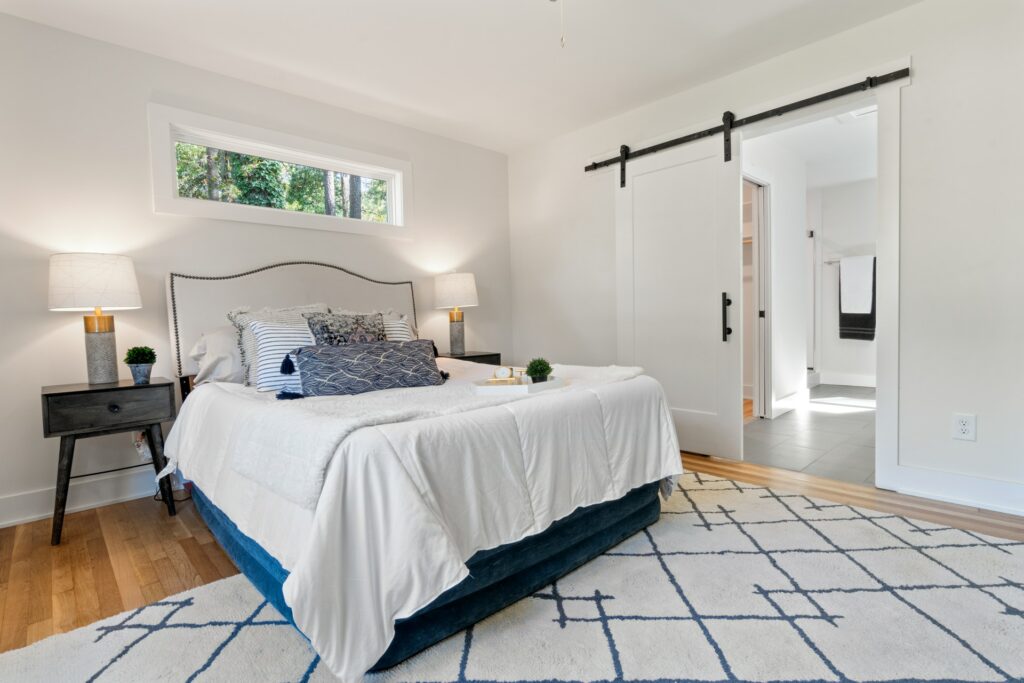
For example, you have a two-bedroom property with a dining room. Normally, that might rent in the Allston-Brighton area for $2200 to $2300. We can convert the dining room into another usable room by just adding a barn door as well as a potential closet. You can rent out that additional room. You still have all the living room, but turning a formal dining room into this other room can mean a $500 to $600 increase in rental profit per month.
What should you keep in mind before renting out a room?
Before you jump into turning that extra space into a rental, it’s important to take a step back and evaluate a few key details—trust us, it pays off in the long run.
- Space and comfort: Is your home (and lifestyle) ready for another person? If your kitchen or common areas are already a squeeze, adding a new roommate could make daily life feel even tighter for everyone involved.
- Other household members: Whether you’re living with family, a partner, or just a couple of enthusiastic houseplants, don’t forget to check in. Everyone’s comfort matters, and a quick conversation up front can save a lot of headaches down the road.
- Your boundaries: Think about what you are (and aren’t) comfortable sharing. Renting out a room often means some compromise when it comes to privacy—so set ground rules early, especially if you want to keep certain spaces just for yourself.
Take a moment to consider all these factors. A little planning ahead ensures your home stays a haven—for you, your housemates, and anyone new who moves in.
What to Include in a Room Rental Lease Agreement
Once you’ve identified the right applicant and are ready to move forward, it’s time to put everything in writing. A strong room rental lease agreement protects both you and your new occupant—laying out everyone’s rights, responsibilities, and the house rules upfront.
Here are the essential items you’ll want to address in your lease agreement:
- Lease duration: Spell out the exact start and end dates.
- Rent details: Clearly state the monthly rent, when it’s due, how payment should be made, and what late fees (if any) apply.
- Security deposit: Indicate how much you require and under what conditions it will be returned.
- Utilities: Specify which utilities, if any, are included in the rent, and clarify how any shared utility costs will be split.
- Pet policy: Write out whether pets are allowed in the space, including any restrictions or additional deposits. (Don’t forget that service animals are a separate matter!)
- Shared spaces: Establish ground rules for using common areas like the kitchen, laundry, and living room—think cleanliness, quiet hours, and guest limits.
- Maintenance responsibilities: Note who takes care of what—for example, whether the renter is expected to handle routine cleaning or minor repairs.
- Other house rules: Anything else unique to your situation, from parking instructions to where to receive mail.
Be thorough: every rental agreement is a legally binding contract. Take the time to review it carefully for compliance with Massachusetts (or your local) landlord-tenant laws. A little extra attention now will prevent headaches later on.
What are the pros and cons of renting out a room in your house?
Just because you can turn that living room into a usable space doesn’t mean you shouldn’t pause and weigh the trade-offs. Renting out a room—whether it’s a formal bedroom or a clever barn-door conversion—may sound like easy income, but before you start drawing up the lease, let’s talk big-picture.
Perks of Renting Out a Room
- Extra Cash Flow: The most obvious benefit—more money in your pocket each month that can offset your mortgage, pay for renovations, or finally fund that dream trip to Italy.
- Optimized Space Usage: Instead of letting a dining room gather dust, you’re getting more value out of every square foot.
- Flexible Arrangements: You’re the boss when it comes to lease length. Go short-term, long-term, or somewhere in between to suit your needs.
- Tax Benefits: Uncle Sam might give you some relief in the form of deductions for rental expenses like repairs and utilities (just keep those receipts!).
- Potential Property Gains: A well-utilized property can look more appealing to future buyers if you ever decide to sell.
Downsides to Consider
- Reduced Privacy: There’s no sugarcoating this—sharing your living space means sacrificing a bit of solitude. Your Netflix marathons might not be so solo anymore.
- Risk of Disagreements: Even the best tenant screening can’t guarantee you won’t butt heads over noise, cleaning, or missing leftovers.
- Time and Effort: Screening good tenants, drafting a lease, and prepping the space takes some legwork up front—not to mention ongoing management.
- Compliance and Red Tape: You’ll need to make sure your rental meets all legal standards, from permits (think back to that bedroom definition) to safety codes.
- Upkeep Responsibilities: Any leaky faucets or heating hiccups that crop up are on your plate as the landlord.
All in all, renting out a room can be a savvy move, but it’s not without its quirks and responsibilities. If you plan proactively (with or without the help of a barn door), you’ll be better prepared to enjoy the perks—and sidestep the pitfalls.
How is rental income from a room taxed?
Once you’ve successfully rented out an extra room—perhaps after installing that barn door and turning your dining room into a gold mine—don’t forget about Uncle Sam. All rental income you receive must be reported on your taxes. This includes not only the regular rent payments but also other amounts your tenant pays, such as security deposits you end up keeping, upfront move-in fees, pet fees, or even charges for parking and utilities (if they’re paid separately by the tenant).
You’ll want to keep accurate records of every dollar that comes in and goes out. Luckily, tax law allows you to deduct many of the costs associated with renting out a room. Here are some common expenses you can track and potentially write off:
- Repairs and maintenance (think: fixing up that squeaky barn door)
- A portion of your mortgage interest, utilities, and insurance (usually based on the percentage of your home being rented)
- Advertising and leasing costs
- Cleaning and supplies for the rented room
- Property management fees, if you use a service
Be sure to save receipts, leases, and documentation for all income and expenses. When tax season rolls around, this paperwork will make your (or your accountant’s) life much easier. And with new IRS requirements like the 1099 form for landlords, it’s even more important to stay organized and compliant.
Keeping Track of Income and Expenses
Renting out a room is more than just finding a tenant—it’s also about keeping your finances straight. The money you collect from rent, along with those little extras like utility contributions or pet fees, all need to be properly documented. This isn’t just good practice; it can save you a world of headaches when tax season rolls around.
Here’s how you can stay organized:
- Record all rent payments each month—don’t just check your bank statement and call it a day. Have a spreadsheet or ledger where you can actually see who has paid, when, and how much.
- Log upfront costs such as security deposits or move-in fees. These add up, and you’ll want a clear record in case there’s ever a question down the line.
- Track recurring charges like utilities, parking, or any extra monthly fees. Even if it’s only five bucks for a pet, jot it down.
- Note any late fees you collect so you have a full, accurate picture of what’s coming in—and when.
If you want to make things a bit easier, tools like QuickBooks, Wave, or even a well-crafted Excel sheet can help streamline the process. Keeping digital records allows you to export everything effortlessly for your accountant, especially with new IRS reporting requirements.
And remember: any income you earn from renting a room is generally taxable, but you may be able to write off a portion of related expenses—like repairs or a share of your property taxes. Keeping your paperwork tidy throughout the year makes this whole process a lot less stressful come April.
How to List Your Room for Rent—and What to Include
Now that you’ve added that versatile, barn-doored room, it’s time to share your listing with the world. When listing a room for rent, think of it as storytelling—except instead of dragons or fairy godmothers, you’re describing square footage, sunlight, and maybe the occasional closet upgrade.
Be upfront in your description that you’re listing a room or interior space, not the entire apartment or home. This helps manage expectations right from the start and filters inquiries from people seeking the whole castle, not just a turret.
Be as specific and detailed as possible. Here’s what to include:
- Type of space: Specify if it’s a living room conversion, traditional bedroom, or bonus room.
- Key features: Mention any additions—like barn doors for privacy, newly added closet, and total square footage of the room.
- Shared amenities: List things like kitchen, bathrooms, laundry, parking, and any outdoor space that tenants can access.
- Utilities and Wi-Fi: Clearly state what’s included in the rent and whether utilities or internet are shared.
- Neighborhood highlights: Mention nearby hotspots, public transport, grocery stores, or anything unique about the area—whether you’re nestled in Allston-Brighton or beyond.
- House rules: Share any rules relevant to the household, such as pet policies, smoking, or quiet hours.
- Photos: Quality images, especially of the room with that spiffy barn door, living area, kitchen, and curb appeal shots, will go a long way.
Share your listing across major rental platforms like Realtor.com®, Zillow, Trulia, Apartments.com, and Craigslist. The more eyes, the merrier—and the higher your chances of finding a reliable tenant who appreciates your space (and your clever use of doors).
Once published, be prompt in responding to inquiries and offer flexible times for showings. This not only shows professionalism, but also builds trust—making your property stand out in a busy market.
Our commitment
So if you or anyone else you know is looking for a proactive property manager to help guide you through how to best use your space such as converting living rooms to maximize your rental profits, please think of Green Ocean Property Management: where you get more than a property manager, you get peace of mind.

Efficient Shower Repair with Green Ocean Property Management
Reading Time: 3 minutesIn the world of plumbing and property management, it’s essential to have a reliable team that can efficiently tackle issues as they arise. We will share the encounter with one of our favorite Green Ocean Property Management plumbers, witnessing their proactive and cost-effective approach to solving a common problem; a leaking pipe behind a fully…
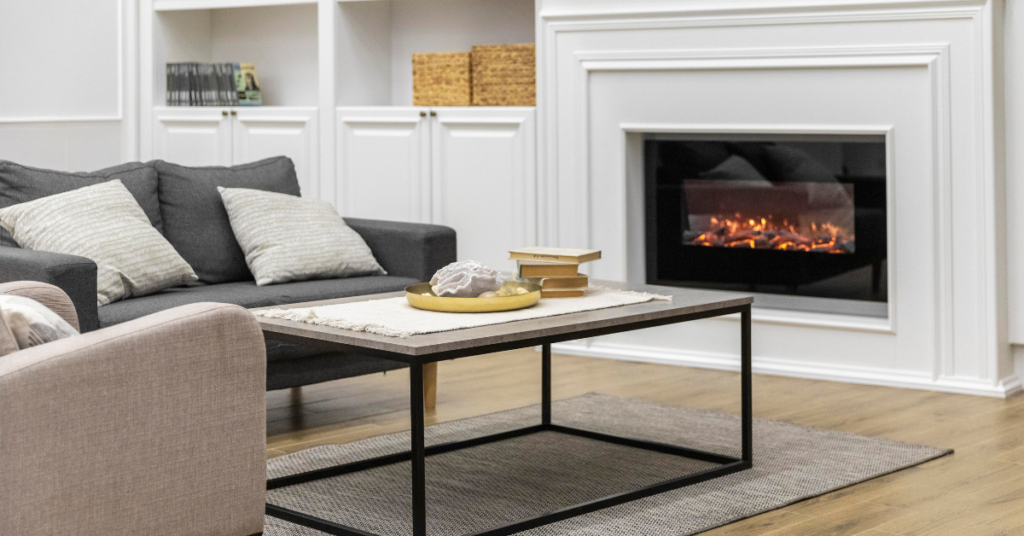
Remarkable Renovations: Transforming Spaces with a Stunning Fireplace
Reading Time: 3 minutesLet me tell you, one of our previous renovation projects with a client in the past was nothing short of remarkable. What makes it even more incredible? It is a stunning fireplace that will transform a space into a cozy haven. It isn’t just any fireplace; it’s the outcome of a journey that involves determination,…

How to Make Money on Your Investment Property While Keeping Maintenance Costs Low
Reading Time: 4 minutesOver two years into the property investment and management era, industry experts and investors have learned that massive growth and profits eventually stabilize—a phenomenon referred to as “reversion to the mean” in finance or “normalizing,” as experts described. Some market adjustments are cyclical, tied to expected economic downturns, while others represent a return to normalcy after…
Experience exceptional management and elevate your property with us