
Who Should Pay the Public Utilities?
Paying of public utilities such as water and electricity can cause confusion to some landlords. In this article, we’re going to be covering whether you can have tenants pay the public utilities. Can they pay for public utilities? The answer is NO. Typically, what will end up happening is that each…

Paying of public utilities such as water and electricity can cause confusion to some landlords. In this article, we’re going to be covering whether you can have tenants pay the public utilities.
Can they pay for public utilities?

The answer is NO. Typically, what will end up happening is that each unit will have its own electric meter. The public electric meter on the other hand will take care of anything like basements, attics, outside, or any stairways that are common. These are expenses that are related to the landlord. It’s a cost of doing business but that doesn’t mean that we can’t help you minimize those costs with the following:
- LED Bulbs
- Motion Sensors
- High efficiency lighting
- Timers
Instead of it being a flip on and off where it stays on forever, you’ll do 10 minutes and it will shut off eventually. We’ve seen our cost dramatically go low as a result of that.
Water Meters

With regards to the water meters, it really depends. We can help you install separate water meter readers but that means that the piping within your actual house needs to be separated to begin with, so you can’t have it where one waterline has a meter and then maybe it feeds two units. That won’t work.
We need to make sure that the lines are separate and then we can install those water meters and those water meters can connect to a digital meter which then can be read electronically and then billed back to the tenant.
In the state of Massachusetts, all bills have to be kept in the owner’s name. What that means is that you might get that bill even with the sub meter. Then you have to break it apart to the actual attendance and put it on their ledger. There are companies out there that can help you out with that. Create that separation so that the tenants don’t have to worry about it because there’s a lot of work every single month.
How can you deal with it?

You have to make sure that if you do separate your water meters, you explain it to the tenants. That it should be in their leases. Most importantly, they know that they’re going to be paying for it, and will potentially help you minimize your costs because those costs do get bigger. But again, if you do have anything like coin op laundry that is in the common area, you do have any type of sprinkler system that’s in the common area, you might need a separate common water meter. That’s going to be your responsibility as a landlord and a cost of doing business.
If you or anyone else you know, is looking for a proactive property manager that can help guide you towards your concern on who should pay the public utilities, please think of Green Ocean Property Management, where you get more than a property manager, you get peace of mind.

Moving Made Easy: Seamless Move-in Process With Us
Moving into a new rental property should be an exciting and stress-free experience, but it can often become a tenant’s worst nightmare when expectations are unmet. At Green Ocean Property Management, we understand that the biggest problem with not having a seamless tenant move-in process is the potential disconnect between what they expect and what…
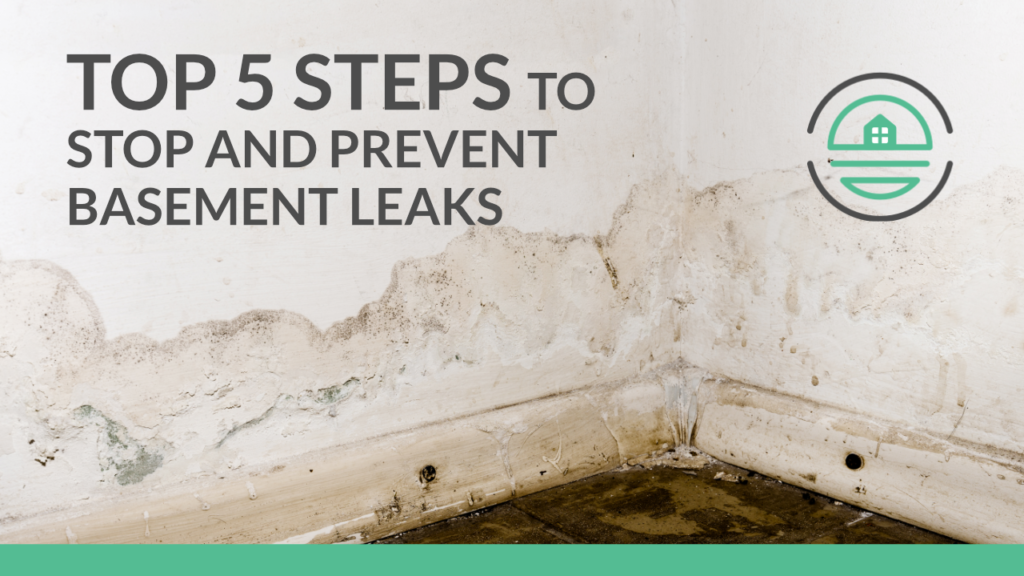
Top 5 Steps to Stop and Prevent Basement Leaks
With our buildings in Boston being hundreds of years old, it’s super common to get water in the basements, but as a general contractor and someone who manages hundreds of properties over decades, we’ve seen it all. So let us go through these steps to be able to prevent and stop basement leaks…

How to Handle Evictions in Boston?
Dealing with evictions in Boston is a challenging aspect of property management. For landlords and property managers, a strategic approach to handling evictions while ensuring compliance with local regulations is essential. This article will shed light on how our dedicated Green Ocean Property Management team handles this intricate procedure while adhering to Massachusetts law. …
Experience exceptional management and elevate your property with us