
Condo Association Management in Somerville: What Trustees Need to Know
Somerville has some of the densest housing stock in Massachusetts, and a lot of it has been converted from multi-family rentals into condos over the past two decades. If you’re a trustee on a self-managed or newly self-managed Somerville condo association, the density itself is the thing that trips boards up: shared walls, shared systems,…
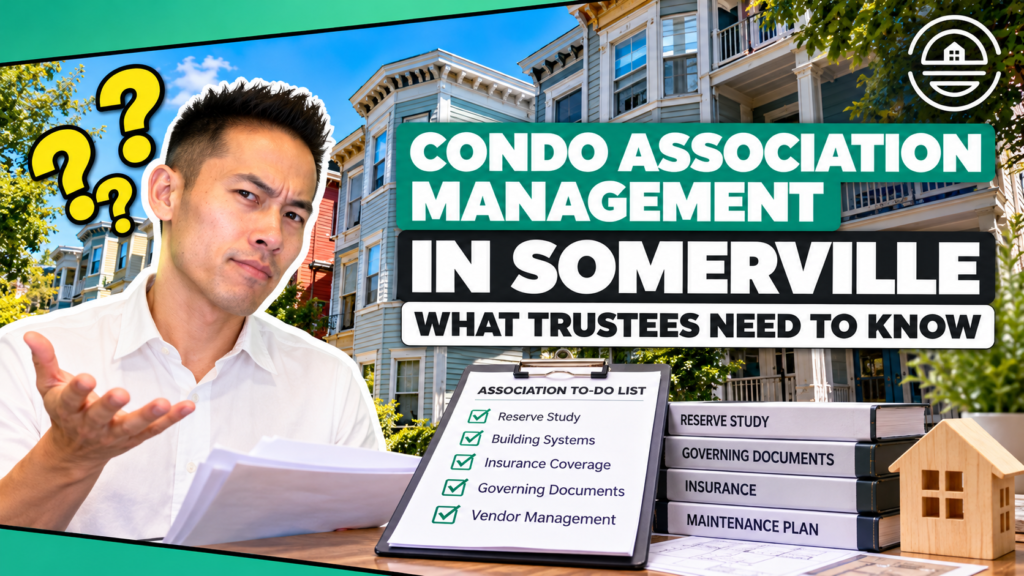
Somerville has some of the densest housing stock in Massachusetts, and a lot of it has been converted from multi-family rentals into condos over the past two decades. If you’re a trustee on a self-managed or newly self-managed Somerville condo association, the density itself is the thing that trips boards up: shared walls, shared systems, and tight lot lines mean small maintenance issues become association-wide issues fast.
Table of Contents
Why density changes the math for Somerville associations
In a lot of Somerville triple-decker-to-condo conversions, units share roofs, plumbing stacks, and sometimes heating systems. That means a leak or a failing boiler isn’t “one owner’s problem” — it’s the association’s problem, and the reserve fund needs to reflect that shared exposure, not just cosmetic common areas.
What trustees should check first
- Reserve study — does it account for the age of shared building systems, not just the roof and paint?
- Governing documents — in older conversions, master deeds and bylaws are sometimes thin on maintenance responsibility splits between unit owners and the association. Worth a legal review if it’s unclear [verify with counsel].
- Insurance — master policy coverage should match the actual shared-systems exposure of a converted multi-family, which is often different from a purpose-built condo building.
Self-managed boards feel this first
A lot of small Somerville associations start self-managed because they’re only a handful of units. That works until a major shared-system repair comes up and there’s no reserve, no vendor relationships, and no one with bandwidth to run bids. That’s usually the point boards start looking at professional association management.
FAQ
Why do Somerville condo associations need bigger reserves than they might expect?
Because so much of the city’s condo stock is converted multi-family housing with shared roofs, plumbing, and heating systems — repairs that would be one owner’s cost in a true single-family are association-wide costs here.
When should a self-managed Somerville association bring in professional management?
Common triggers: a major shared-system repair is coming due, the board can’t get quorum or volunteer time, or the association is growing past a size where informal management works.
Does Massachusetts condo law require a reserve fund?
Chapter 183A and related guidance address reserve funding, but specifics depend on the association’s documents and situation — check with the association’s attorney for your specific requirement [verify].
Green Ocean manages condo and HOA associations across Somerville, with reserve planning and vendor management built around older, converted buildings. See our Somerville condo association management services.
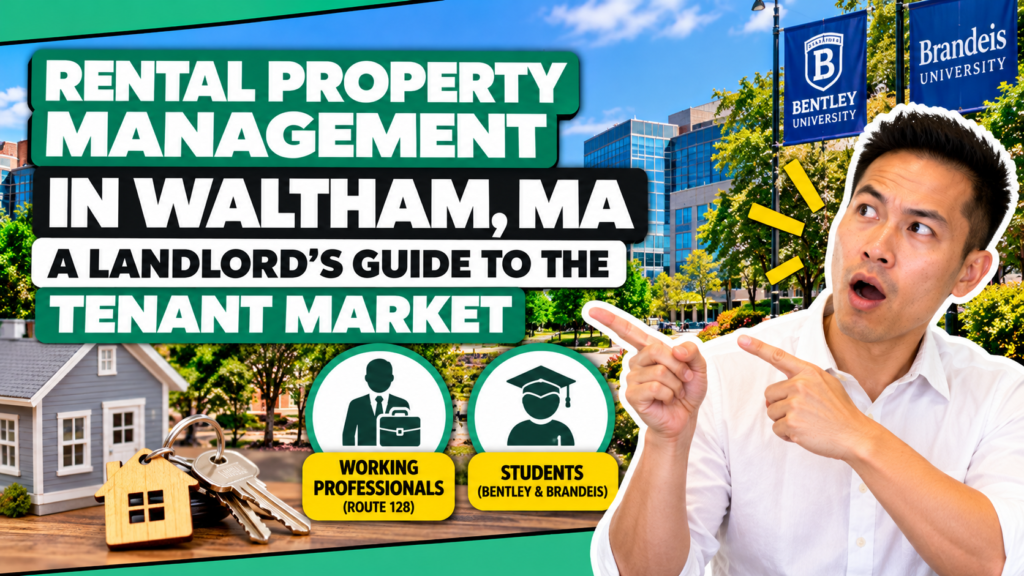
Rental Property Management in Waltham, MA: A Landlord’s Guide to the Tenant Market
Waltham’s rental market runs on two engines: the biotech and tech companies along Route 128, and the students at Bentley and Brandeis. If you own a rental property here, your tenant pool is mostly working professionals on 12-month leases and students looking for 9- to 12-month terms near campus. That mix changes how you should…
Our Story | Green Ocean Property Management
Our Story First, thank you for the support you’ve given me and this company over the years. My father started this company in 1977 as an insurance agency, which later developed into a mortgage company. I came into the business in 2004 and helped build out the real estate division — both rentals and sales….
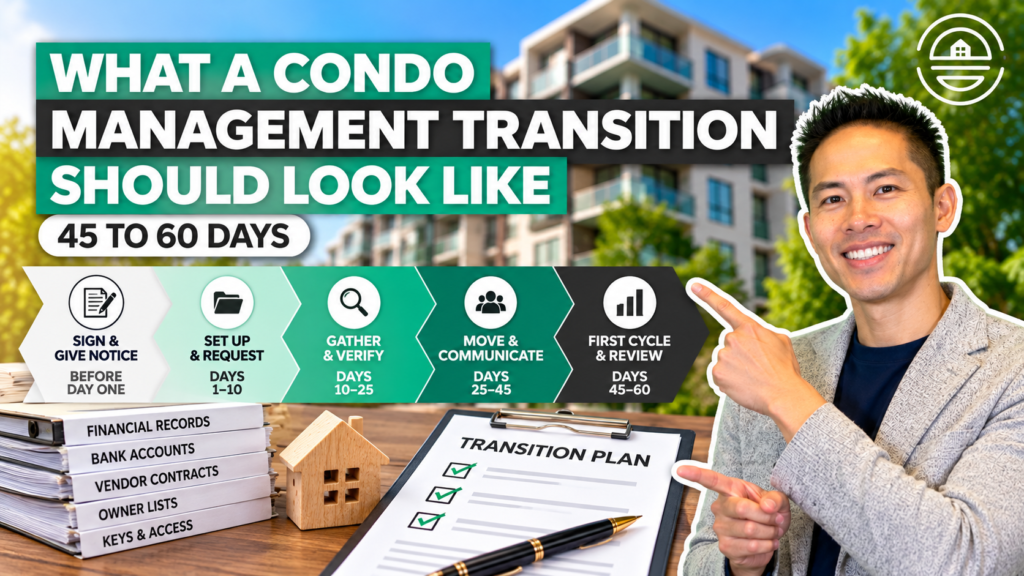
What a Condo Management Transition Should Look Like
A clean condo management transition takes about 45 to 60 days. That is enough time to collect records, move bank access and vendor contracts, confirm insurance and tell owners what is changing, without leaving the building uncovered. Here is how the phases usually run. Before day one: sign and give notice in the right order…
Experience exceptional management and elevate your property with us