
Top 10 Situations a Landlord Hires a Property Manager
Reading Time: 17 minutes In this article, we will answer one of the most commonly asked questions: When should a landlord hire a property manager? From our experience of working with over 500 landlords, these are the top 10 situations when a landlord decides to hire a property manager. Reason #1: Late payments The number #1 situation when…
In this article, we will answer one of the most commonly asked questions: When should a landlord hire a property manager? From our experience of working with over 500 landlords, these are the top 10 situations when a landlord decides to hire a property manager.
Table of Contents
Reason #1: Late payments

Photo from @dekazigzag of Freepik
The number #1 situation when a landlord should hire a property manager is when their tenants start paying rent late, and they need to take steps to talk with them when collecting rents. A property manager should know the eviction and collection process by heart and will be able to follow the very strict guidelines to bring the tenant to court should it be necessary.
How Property Managers Handle Rent Collection and Financial Management
One of the most valuable perks of hiring a property manager is handing off the hassle of rent collection and bookkeeping. Property managers implement streamlined systems—think online payment portals or secure ACH withdrawals—to make it easy and convenient for tenants to pay rent on time. If things don’t go smoothly, they’re ready with clear policies for late fees and reminders to encourage prompt payments, while ensuring every step follows legal guidelines.
But it doesn’t stop at just collecting rent. A good property manager keeps detailed records of every payment and expense related to your property. Many will send you regular financial statements, so you’ll always know how much you’re earning, what’s going out, and where every dollar is going. Come tax season, those year-end summaries can save you headaches (and maybe even a call to your accountant).
Security deposits are also handled in accordance with local regulations—from collecting the deposit up front, to holding it safely, and returning it (or deducting for damages) when the lease ends. This removes guesswork, helps avoid costly mistakes, and keeps you compliant with state laws.
Tenant screening and placement
One of the biggest advantages of hiring a property manager is their expertise in screening and placing tenants. Rather than posting a simple ad, experienced managers list your property on all the major rental platforms—think Zillow, Craigslist, Apartments.com, and beyond—to maximize exposure and get more qualified applicants in the door.
But casting a wide net is only half the battle. The real magic happens during the screening process. Property managers run comprehensive background checks, pulling credit reports, verifying employment and income, checking past rental references, and scanning for any criminal history. This helps weed out potential problem tenants and ensures your tenants have a solid history of timely payments and good conduct.
And most importantly, they make sure every step follows fair housing laws, so you won’t have to worry about accidental violations. In short, property managers do all the heavy lifting to find you reliable tenants, saving you time, stress, and future headaches.
Reason #2: Relationship with the tenant is too close
Another common situation we see landlords in is when the relationship with the tenant is too close and personal. They become “friends” and feel bad asking for the money or continually make concessions. A property manager will provide a neutral 3rd party that will help you collect the rents that you deserve to be paid or to deal with tough situations without emotions getting involved.
Reason #3: No increased rents in years

Photo from @yanalya of Freepik
You haven’t increased rents in years specifically due to fear of complaints/repairs. We see it all the time. A landlord might say, “My tenants have been here for 5+ years.” A fact they are usually proud of and should be. However, they usually follow up this comment with, “Well, I haven’t raised the rent in all those years.”
They do this because they are either trying to be nice or to try to minimize calls/complaints from the residents. This is a situation in which an owner should hire a property manager as a landlords’ expenses such as water, taxes, insurance are going up constantly, and rent needs to increase at the very least with inflation. Your property is an investment, a business. A property manager can help you increase rents, even if by a reasonable amount year by year.
Reason #4: No qualified vendors

Photo from @kues1 of Freepik
We see tons of situations where a landlord gets stuck with repairs they are unable to do themselves, or worse yet an emergency such as no heat or no hot water that puts them in a serious liability situation. A property manager should have a list of reliable vendors they can call 24/7 to resolve any maintenance issues that come up.
Outdated or Missing Technology
Let’s face it—nobody wants to play phone tag just to find out if last month’s rent came through or when a leaky faucet is finally getting fixed. The best property management companies use modern technology to make your life easier. Think user-friendly online portals that track everything from rent payments and maintenance requests to lease renewals and inspection reports—all at your fingertips.
Some firms go the extra mile, offering mobile apps or dashboards for real-time updates on cash flow, repairs, and even financial statements. Platforms like AppFolio, Buildium, or Yardi are commonly used in the industry, letting you stay in the loop from anywhere. This transparency not only saves you stress but also keeps your investment running smoothly, no guesswork required.
Reason #5: You worry about your property constantly

Photo from @yanalya of Freepik
Your property should not be a dark cloud following you around, yet for some landlords, it affects their personal lives, creating constant worry, lack of sleep, or even not going on vacations in fear of something happening. A property manager will be able to handle calls around the clock and relieve you of your stress and provide you peace of mind.
Reason #6: You are losing money

Photo from @linabitta of Freepik
They could be losing money due to vacancies, court cases, or unexpected maintenance. This is the toughest situation for an investment property to be in and to hire a property manager, as many see it as an additional expense, but that is a penny-wise, pound-foolish mentality. A property manager should be able to help you budget, plan and most importantly help you avoid money-draining situations such as vacancy and court cases along with proactive maintenance that is more affordable than emergency calls.
How to Tell if Property Management Is Worth the Cost
Let’s do a quick cost-benefit check that goes beyond just the monthly fee on paper. A lot of owners think the only math that matters is, “How does the manager’s fee compare to my rental income?” But the reality? You need to factor in your time, effort, proximity to the property, travel costs, and even what the IRS lets you deduct.
Start by asking yourself:
- How many hours do you actually spend handling your rental each month?
- What’s your time worth per hour (be honest—your Saturdays are valuable)?
- Are you spending time (and gas money) driving to resolve minor headaches?
Property management fees fall between 7–10% of your monthly rent—I’m talking that’s $140–$180 a month on an $1,800 place. But those fees count as tax-deductible business expenses, helping lower your taxable income.
A Simple Formula
Bulk it down to this:
(Monthly Management Fee) vs. (Your Monthly Time Investment × Your Hourly Rate)
For example, if managing your property eats up 5 hours of your time at a personal “rate” of $50/hour, you’re “spending” $250 in time. Compare that to the management company’s $144 fee, and suddenly, hiring help starts making a lot more sense.
Plus, don’t forget—this doesn’t even touch on the benefits like fewer vacancies, higher-quality tenants, or simply getting your weekends back.
You don’t know the value of your own time
Most landlords don’t realize just how much time managing a property eats up until they sit down and add it all up. Tracking every task—even the small ones like responding to a late-night text, coordinating a repair, or commuting to the property—can be eye-opening. If you spend a couple of weeks jotting down each landlord chore, you’ll get a true picture of what you’re really investing.
Here’s where things get interesting. Try putting a dollar value on your time (what you’d bill out as a professional, or what your day job pays you per hour). Multiply that hourly rate by the number of hours you spend each month on management tasks. Don’t forget to tack on any out-of-pocket expenses like gas or supplies.
A quick example:
- 10 hours of landlord tasks a month
- Your time is worth $50/hour
- $75 in monthly mileage and supply costs
That’s $500 of your time plus $75 in direct expenses—$575 total. Stack that next to a typical property manager’s fee (for instance, $144/month on an $1,800 rental), and it really puts things in perspective. Often, handing off the work not only saves you stress, but it actually saves you cash, too.
Reason #7: You hate phone calls

Photo from rawpixel.com
Your dreams of owning investment properties can quickly turn into a nightmare when your tenants won’t stop bothering you. At first, it was an email, then texts, and then escalated to phone calls. We have even seen situations where owners let tenants know where they live and they start knocking on their door. A property manager will create separation and owners will never have to worry about hearing tenant complaints or worry about what to say that may get them in trouble.
Reason #8: Your tenants went from a lease to TAW
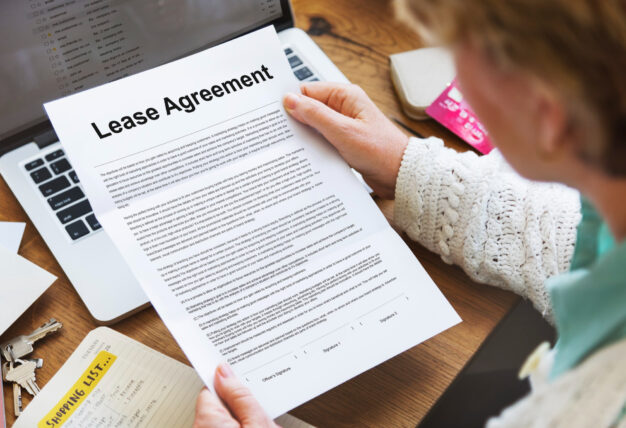
Photo from rawpixel.com of Freepik
Landlords can find themselves with vacant units in the middle of winter or caught off guard when a tenant gives 30 days notice to vacate when they are a TAW, this happens when the original lease expires, and the tenants don’t sign a new lease. This is usually due to forgetting or not knowing how to create a lease. A property manager will help you send out lease renewals which we do up to 9 months in advance, ensuring that tenants are always on a lease or that you have sufficient time to market your property eliminating any chance of vacancy.
Reason #9: Your property is slowly deteriorating and losing its curb appeal
A once beautiful investment property without proper maintenance and upkeep can get rundown and lose its curb appeal quickly. The result is lower rents, less demand, and worst of all, lower quality of tenants willing to live in deteriorated conditions. A property manager who conducts regular inspections and walkthroughs will ensure the property is well-maintained, and can even offer suggestions on how to maximize the value and potential of a property.
Tenant satisfaction and retention are top priorities
A great property manager knows that happy tenants are more likely to renew their leases and treat your property with respect. The best managers make communication easy—responding quickly to maintenance requests, addressing concerns promptly, and checking in regularly to make sure everything runs smoothly.
They’ll often have thoughtful move-in and move-out procedures, clear expectations, and fair policies. You might see welcome packages, online portals for submitting issues, or after-hours emergency lines. Property managers who make tenants feel heard and respected not only reduce turnover, but also attract higher-quality residents year after year.
Reason #10: A landlord gets sued
This is every landlord’s worst nightmare. A landlord can get sued for thousands of reasons, and ignorance of rules that must be followed does not give them an excuse when it comes to the court system. Many states are very tenant-friendly, and landlords can be responsible for triple damages if found guilty. On top of this, legal fees can run in the tens of thousands. A property manager will help you navigate and follow all rules and regulations to ensure compliance, and most importantly, keep you out of court.
What to Ask Before You Hire a Property Manager
Choosing a property management company is a lot like picking the right team to run your business—you need someone reliable, proactive, and transparent. Before you sign on any dotted lines, here are some must-ask questions to make sure you’re putting your investment in the right hands:
- How will you keep me in the loop? Find out how often you’ll receive financial reports, updates about repairs, and what their typical response time is when you have a question. Communication style makes all the difference.
- What’s your tenant screening process? Dig into how they find and vet prospective tenants—look for solid procedures like credit, income, and background checks. Good screening can save you a world of headaches down the line.
- How do your fees work, and are there surprise charges? Ask for details: Are there flat rates or percentage fees? What about extras for things like turnovers or maintenance? Transparency upfront can prevent sticker shock later.
- Do you offer guarantees for rental income or eviction services? While not every company will, it’s useful to know if protections or “rental guarantee” offerings are available, especially if you want some peace of mind.
- How do you fill vacancies quickly? Ask about their marketing strategies—do they use Zillow, Apartments.com, or local networks? The goal is minimum downtime between tenants.
- Can I track my property online? See if there’s an owner’s portal or app for real-time updates on finances, maintenance tickets, and leasing activity.
- Who actually handles repairs? Clarify whether they have trusted contractors, do repairs in-house, or work with preferred vendors—and whether you benefit from any negotiated rates.
- What’s your approach to tenant retention? Find out about their communication with tenants, speed in resolving issues, and overall satisfaction strategies. A happy tenant means a well-looked-after property and fewer turnovers.
- Are you equipped to handle multiple or out-of-area properties? If your investments span cities or regions, make sure the company has the footprint—and systems—to keep everything running smoothly.
- How do you report on my portfolio’s health? For owners with more than one property, it’s important to ask how they summarize key performance metrics like cash flow, maintenance trends, and turnover rates.
These questions will help you determine if a property management company is a good fit—not just for your properties, but for your peace of mind as an investor.
Red Flags When Hiring a Property Management Company
Selecting the right property management company is crucial to your investment’s success. Just as with tenants, not every company is a fit—and there are a few warning signs to keep in mind during your search:
- Unclear or Confusing Fees: If you’re struggling to get a straight answer about how much you’ll pay or what’s included, it’s a sign to walk away. Transparency should come standard.
- Pressure to Sign Right Away: A reputable company wants you to feel comfortable, not rushed. If they’re hounding you to sign a lengthy contract on the spot, take a step back.
- Hard to Reach: Communication is everything. If they’re slow or unresponsive from the start, imagine how it’ll feel when there’s an actual emergency.
- High Staff Turnover: If you notice a revolving door of managers, that’s a red flag. Stability on their team usually means reliability for you.
- Reluctance to Provide References: Any solid company should have satisfied clients willing to vouch for them. If they dodge the question or avoid sharing references, consider it a warning.
- Poor Knowledge of Local Laws: Rental regulations are constantly changing (especially here in Massachusetts). If they can’t confidently answer your questions about current rules, move on.
- No Clear Plan for Maintenance: How do they handle emergency repairs or routine upkeep? A vague or inconsistent maintenance policy usually leads to frustration and possibly costly problems down the road.
Being mindful of these signals can save you a lot of time, money, and headaches in the long run.
How property managers keep you in the loop on your entire portfolio
For landlords juggling several investment properties, keeping tabs on everything—rents collected, tenant turnovers, and maintenance expenses—can be overwhelming. The good news? A solid property manager will streamline all of this and make sure you’re never in the dark.
Most property management companies use specialized software, such as Buildium or AppFolio, to monitor every aspect of your portfolio. These platforms create easy-to-read dashboards and detailed reports, giving you insight into cash flow, occupancy rates, income versus expenses, outstanding repairs, and lease renewals. You can expect monthly or quarterly performance statements, and many systems provide real-time access through owner portals so you can review everything whenever it suits you.
Some property managers even go a step further, offering customizable reports or annual summaries that help you with tax season and long-term planning. With these tools and regular updates, you’re able to identify trends, spot small issues before they become big problems, and make better decisions for your investments—without ever needing to fumble through old spreadsheets again.
How to Interview Property Management Companies
Just like you wouldn’t hire a contractor sight unseen, interviewing property managers is a crucial step that deserves your time and attention. Here’s how to get the most out of the process:
- Line up multiple candidates: Arrange meetings with at least three different companies so you can compare how they operate. Don’t settle for the first one who returns your call—this is your investment, after all.
- Ask about real challenges: Bring up actual scenarios you’ve faced (or dread)—be it midnight plumbing emergencies, tenant disputes, or late rent. The right manager won’t just tell you what you want to hear, but will walk you through their process and customizable solutions.
- Gauge their communication: Pay close attention to how quickly they respond, whether they answer your questions clearly, and if they seem genuinely interested in your concerns. If the interview process leaves you frustrated, imagine what it’ll be like when you’re in the thick of a real issue.
- Check for local expertise: It helps if they know your neighborhood—think references from other landlords nearby, awareness of local regulations, and relationships with trustworthy vendors.
- Request documentation: Ask to review actual examples—leases, inspection reports, communication templates—so you can see how organized and thorough they are in practice, not just in theory.
Remember, a property manager should make your investment life easier, not add another headache. Take your time and trust your instincts—the right fit can make all the difference.
Important Contract Details to Review Before Hiring a Property Manager
Before you sign on the dotted line, it pays—literally and figuratively—to get crystal clear on the fine print of your property management agreement. Here’s what every savvy landlord should look out for:
- Contract Term and Exit Clauses
Is this commitment for a year, or are you stuck longer than a cell phone plan from 2005? Make sure you understand how long the contract lasts and what hoops you’ll need to jump through if you want to end the relationship early. - Fee Structures (and Sneaky Extras)
Don’t just focus on the monthly management fee. Look for hidden costs: setup fees, leasing fees, maintenance markups, or miscellaneous “administrative” charges. Read the details to avoid getting nickel-and-dimed. - Authorization Limits on Repairs
At what dollar amount can your manager spend your money without checking in with you? Make sure you set clear limits so you aren’t surprised by a hefty bill for a new water heater you didn’t approve. - Reporting Frequency and Communication
How often will you get updates—monthly statements, maintenance reports, or emergency calls? Know how and when you’ll be contacted, because radio silence is never a good sign. - Tenant Screening and Lease Renewal Policies
Ask what criteria are used for tenant selection (credit checks, references, income verification), and how lease renewals are handled. The aim: quality tenants, signed leases, and less drama. - Insurance and Liability Requirements
Double-check what insurance coverage you need to have in place—and what the manager carries. The last thing you want is a finger-pointing contest in the event of a claim. - Technology and Tools
Some managers use platforms like AppFolio or Buildium for online rent collection, maintenance tracking, and owner portals. Know how your property will be managed so you aren’t stuck in the Stone Age.
A thorough review of these terms will save you from headaches (and heartburn) down the road—so you can focus on growing your investment, not battling surprises.
How to Find and Evaluate a Property Management Company
There’s no shortage of companies calling themselves “the best in town,” but finding the right property manager takes more than falling for a flashy website or rock-bottom fees. This is about protecting what’s likely one of your largest investments. Here’s a simple, practical guide to make sure you hire a manager who actually adds value—so you don’t wind up with more headaches than when you started.
Start by Tapping Into Your Local Network
Ask trusted colleagues, friends, or fellow investors for referrals. Real estate investors’ meetups, Facebook landlord groups, or BiggerPockets forums are goldmines of honest feedback—nobody sugarcoats their horror stories when they’ve been burned before. Pay special attention to local names that pop up repeatedly (for good reasons).
Dig Into Their Experience and Focus
Look at their existing portfolio. Are they actively managing properties like yours—whether that’s a cozy triple-decker in Somerville, a high-rise condo in Back Bay, or classic brownstones in Cambridge? Someone who manages everything from strip malls to ski chalets may not be dialed into your neighborhood’s rental trends or city ordinances.
Scrutinize Their Online Presence and Promises
Pop over to their website. Are all their fees laid out in black and white, or are you playing hide-and-seek for “administrative” costs? Great companies aren’t shy about their terms, and many reputable ones (think places like Greystar, WinnCompanies, or local favorites) will sometimes even advertise rental guarantees or eviction protection up front. If terms seem vague, trust your gut.
Request and Review Their Standard Contract
Before signing anything, ask for their management agreement. Comb through the fine print or, better yet, have your attorney review it. Key things to check:
- What’s the term, and can you get out if you’re unhappy?
- Is there wiggle room for mysterious extra fees?
- How do they set spending limits on repairs?
- How often, and in what format, do you get updates?
- What’s their process for screening and selecting tenants?
- Are renewal rates reasonable, or is there a hefty upcharge?
Interview a Few Companies—Yes, Really
Don’t just go with the first friendly voice. Speak to at least three candidates. Grill them about how they’d handle common problems (late rent, burst pipes at midnight, etc.), and gauge whether they’re listening carefully or rattling off sales pitches. Responsiveness now is a preview of what you’ll get later.
Red Flags to Watch Out For
Steer clear of any manager who:
- Dodges questions about fees or seems slippery about “miscellaneous charges”
- Pushes you to sign a multi-year contract on the spot
- Fails to provide current references from similar property owners
- Isn’t familiar with your area or key local landlord-tenant laws
- Has frequent staff turnover or a revolving door of property portfolios
- Offers vague plans for emergencies or maintenance requests
By doing your homework, asking the right questions, and following your intuition, you’ll soon have a property manager who actually takes stress off your plate—rather than adding fuel to the fire.
Not all property managers are created equal—check their portfolio
Before entrusting your valuable investment to any property manager, take a peek behind the curtain and see what types of properties they already manage. If your rental is a cozy triple-decker in Dorchester, you probably don’t want a company whose main gig is commercial office parks in Back Bay or sprawling luxury complexes in the suburbs. Managing different property types comes with its own set of nuances, quirks, and headaches—what works for a row of loft-style condos may not translate to a 3-unit brownstone.
A company with a proven track record handling properties like yours is more likely to understand your unique challenges, from screening the right tenants to staying compliant with city-specific regulations. It also means they can anticipate the hiccups that are common for your property type and location—whether that’s resolving winter heating issues, managing street parking in tight city neighborhoods, or handling maintenance quirks of historic homes.
Choosing the right fit isn’t just about experience—it’s about relevant experience. So always ask: Does this property manager truly “get” my type of property? That little bit of homework upfront can save you time, money, and a heap of stress down the road.
How to Research Property Management Companies
Choosing the right property management partner is just as important as finding a good plumber or choosing the right insurance—it can mean the difference between a profitable, worry-free investment and a year-long headache. Here’s how to make sure you find a company that fits your needs (and style):
Tap into Local Wisdom
Start by reaching out to fellow landlords, local real estate groups, or even networking at neighborhood coffee shops. There’s a good chance that someone’s already navigated this maze and can tell you who saved their bacon—and who left them in the lurch. Honest word-of-mouth is worth more than any star-rating online.
Dig Deeper Online
Once you’ve got a shortlist, don’t stop at the Google search page. Look at their websites—transparent companies lay out their services, pricing, and what’s included with no fine print buried in the depths of their site. Check for specialists: managing a Somerville triple-decker isn’t the same as a Back Bay brownstone or a Southie condo, so make sure they routinely handle properties like yours.
Inspect Their Track Record
Don’t be afraid to ask for examples of current properties they manage. If their portfolio looks like a grab bag—one industrial warehouse, a couple of downtown lofts, a smattering of single-families—they may not be focused enough to give your property the attention it needs.
Scrutinize the Nitty-Gritty
Carefully review contracts before signing anything:
- How long are you locked in for?
- What does it take to part ways?
- Are there extra fees for every little request?
- Who approves repairs—and for what amount?
- How will you get reports, and how often?
- Do they have a clear process for lease renewals?
- What’s their insurance backstop?
- Are they using up-to-date technology to keep you in the loop?
Interview Them Like a Pro
Meet with a few companies (in person if possible). Notice if they listen thoughtfully and communicate in plain English, not just legalese or corporate jargon. Responsiveness now is a good preview of how they’ll handle urgent calls down the road.
Keep Your Eyes Peeled for Warning Signs
Watch out for common red flags, such as:
- Vague responses about fees or services
- Pressure to sign quickly or for an unusually long term
- Slow replies to your emails or calls
- High staff turnover—today’s manager is tomorrow’s mystery
- Unwillingness to provide references
- Weak knowledge of your area’s laws
- Unclear procedures for emergencies or repairs
Doing the legwork up front ensures you bring on a partner who will keep your property—and your investment goals—in top shape. If you or anyone you know is currently experiencing these situations or any other property related headaches please feel free to reach out so that our team at Green Ocean Property Management can help.
Bonus Reason: You own properties in multiple locations
Juggling investment properties spread across different cities—or even states—can be overwhelming. Coordinating maintenance, rent collection, and tenant concerns for properties in, say, Boston, Worcester, and Providence is no small feat (unless you moonlight as a superhero). Many professional property management companies, including ours, have systems and experienced teams equipped to handle geographically diverse portfolios. This means you enjoy a single point of contact and consistent processes no matter where your properties are located, freeing you from logistics headaches while ensuring every property gets the attention it needs.
If you or anyone you know is currently experiencing these situations or any other property related headaches please feel free to reach out so that our team at Green Ocean Property Management can help.

Warning Signs That Your Property Manager Will Cost You More Money
Reading Time: 3 minutes If you want to grow your real estate business, you need to have the right property manager on your side. Property managers play a huge role in any landlord or real estate investor’s life. They are so essential in the sense that they can make or break your business. They either help you…
What Landlords Should Know Before Sending a Lease Termination Letter
Reading Time: 9 minutesAs a landlord, sending a lease termination letter is a significant step that requires careful consideration and preparation. This formal document not only marks the end of a tenancy but also carries potential legal and financial implications. Before drafting and sending a lease termination letter, landlords must be well-informed about their rights, responsibilities, and the…

Property Preparation for Rent: Essential Tips for Landlords
Reading Time: 8 minutesRenting out a property can be a great way to generate additional income, but it requires diligent preparation and care to be successful. As a landlord, the effort you put into readying your rental property will directly impact your ability to attract quality tenants, minimize headaches, and maximize returns. This comprehensive guide covers key areas…
Experience exceptional management and elevate your property with us