
Top 5 Steps to Stop and Prevent Basement Leaks
With our buildings in Boston being hundreds of years old, it’s super common to get water in the basements, but as a general contractor and someone who manages hundreds of properties over decades, we’ve seen it all. So let us go through these steps to be able to prevent and stop basement leaks…
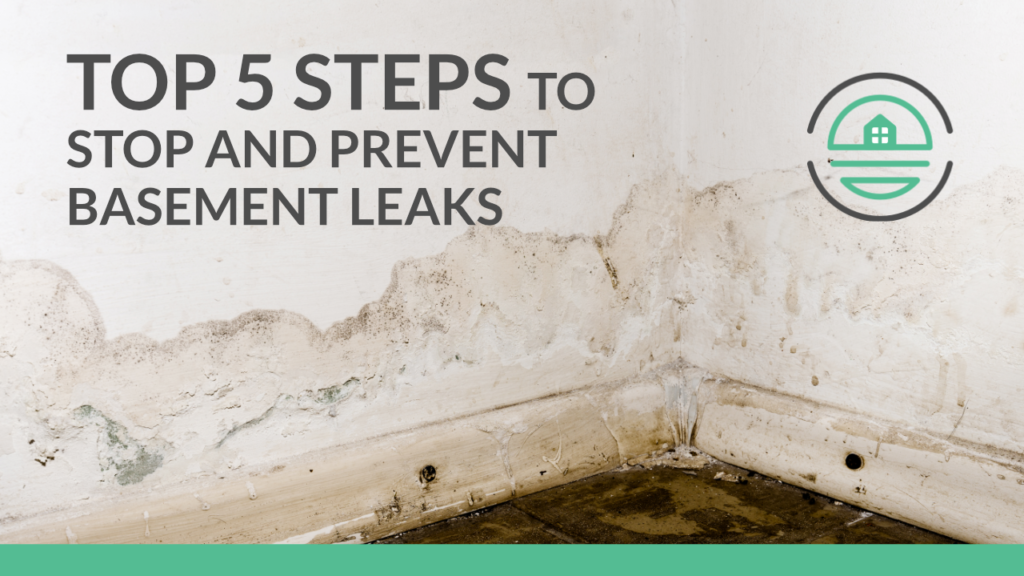
With our buildings in Boston being hundreds of years old, it’s super common to get water in the basements, but as a general contractor and someone who manages hundreds of properties over decades, we’ve seen it all.
So let us go through these steps to be able to prevent and stop basement leaks from happening.
Table of Contents
Quick Answer: The 5 Steps
- Walk the foundation for leaks and signs of structural stress
- Install a sump pump in the basement
- Add french drains around the foundation perimeter
- Check downspouts and gutters — the easiest fix to rule out first
- Inspect pipes and drains for age-related deterioration
Why each step matters, and what to watch for in Boston’s older building stock specifically, is below.
What Causes Basement Leaks?
Before you can stop or prevent basement leaks, it helps to know what you’re up against. Over the years, we’ve run into the same culprits time and again. Here are the most common reasons you might find water in your Boston basement:
- Groundwater Pressure: After a heavy rain, the ground around your home soaks up water. The wetter the soil, the greater the pressure pushing against your foundation walls. Water loves taking the path of least resistance and will sneak in through even the tiniest opening.
- Rising Water Table: In some parts of the city, the water table beneath your home can rise above your basement floor during certain times of year. When that happens, the basement can act like a well and take on water directly from below.
- Foundation Cracks: Whether it’s hairline fractures from settling, vertical cracks, or “stair-step” gaps in the mortar, any split in the foundation can let water inside. Some cracks are cosmetic, but most will allow leakage if the conditions are right.
- Poor Drainage Around the House: If your gutters are overflowing or downspouts are draining too close to the foundation, the water ends up right where you don’t want it. A yard that slopes toward your house only makes matters worse, channeling runoff straight to the basement walls.
- Leaky Window Wells: If your basement has windows below ground, poorly sealed or clogged window wells can collect rainwater and direct it into the basement.
- Aging Concrete: Over time, concrete naturally wears down and becomes more porous. Water can start to seep through, especially under pressure.
- Plumbing Problems: Not every basement leak is caused by the outdoors. Burst pipes, faulty water heaters, and laundry machine mishaps can all flood a basement just as quickly.
- Sump Pump Failure: When a sump pump gives out—whether from electrical problems, mechanical failure, or lack of maintenance—the next rainstorm can lead to water backing up and flooding your basement.
Understanding these causes is the first step toward a dry basement. Fortunately, there are proven solutions to tackle each problem.
Why You Should Tackle Basement Leaks Before the Next Downpour
If there’s one thing Bostonians know, it’s that ignoring a leak never leads to anything good. Those seemingly innocent drips in your basement don’t disappear on their own—in fact, they just get worse with time. Whether you spot a minor trickle or start hearing the soundtrack of Niagara Falls down there, taking action right away can save you a mountain of headaches (and dollars) later.
Waiting until the next Nor’easter rolls through only increases your risk for:
- Costly repairs: Water damage compounds fast. Today’s small leak could turn into mold, ruined walls, and warped floors after just one storm.
- Sudden emergencies: Basement flooding has impeccable timing—it shows up right before you host family, throw that party, or leave for vacation.
- Hidden hazards: Water behind walls or under flooring isn’t just gross—it can invite pests and damage your home’s foundation.
Getting ahead of leaks means you stay in control and your property stays dry, comfortable, and ready for whatever New England weather throws at it. If you’re even a little suspicious, it pays to have a professional assess the situation, walk you through your options, and recommend solutions that truly last.
Why Basement Waterproofing Matters
If you’re ever wondered whether basement waterproofing is really worth the effort, here’s why it should be high on your priority list—especially in historic Boston homes.
Protect Your Home’s Foundation
New England weather and centuries-old concrete are a recipe for water sneaking in. Left unchecked, that moisture can gradually weaken your home’s foundation over time. Cracked concrete and shifting walls are not just expensive headaches—they can put the whole structure at risk.
Improve Indoor Air Quality
Wet basements are a breeding ground for mold, mildew, and that musty smell that just won’t quit. Besides making the space unpleasant, mold spores aren’t great for your health. Allergies, respiratory problems, and endless sneezing fits—no one wants those surprises lurking in their home.
Safeguard Your Home’s Value
Trying to sell a place with a damp basement? Not fun. A dry, protected basement signals to buyers that the property has been well maintained, helping preserve your resale value and making negotiations much smoother.
Enjoy Some Extra Peace of Mind
Boston storms aren’t going anywhere. With a properly waterproofed basement, you won’t have to stress every time it pours. That’s one less thing to keep you up at night.
Tell-Tale Signs of a Basement Leak
If you suspect something’s fishy in your basement (and not in a seaside way), there are a handful of classic warning signs to look out for—especially in older Boston buildings.
- Damp or Wet Walls/Floors: Notice areas that feel wet to the touch or see unexpected dark patches on concrete? That’s a major indicator that water is sneaking its way in.
- Powdery White Residue: If you spot a chalky white substance (known as efflorescence) on your basement walls, it means moisture is evaporating and leaving mineral deposits behind.
- Persistent Musty Odor: Basements that smell musty—even after cleaning—often have hidden moisture or mold issues.
- Peeling Paint or Bubbling Finishes: Paint or finishes that peel, flake, or bubble up can be a hint that moisture is trapped beneath the surface.
- Visible Puddles or Water Stains: If you see puddles on the floor or water stains along the base of your walls, you’re dealing with an active leak.
- Cracks in Foundation: Keep an eye out for cracks in your basement walls or floors. Water—and sometimes bugs—love to exploit these vulnerabilities.
- Rusty Appliances: Rust on appliances, pipes, or metal fixtures in the basement is a sign that conditions have been too damp for too long.
- Condensation: Foggy basement windows or pipes that appear to ‘sweat’ signal excess moisture in the air.
Spotting any of these? Time to take action before it becomes a bigger headache—here’s where you start…
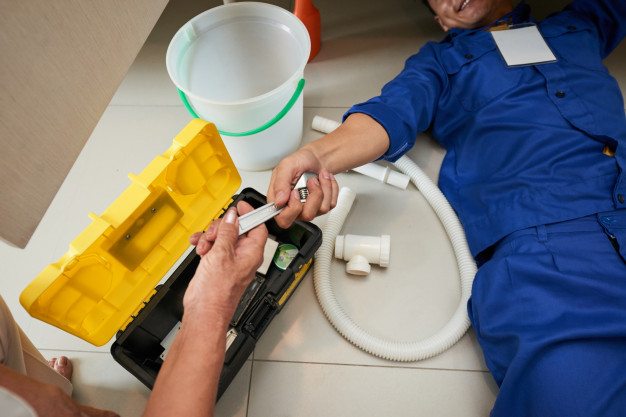
Now, speaking from decades of managing old Boston properties, let’s break down the most effective ways to actually stop those pesky basement wall and floor leaks—and keep your downstairs dry through every nor’easter and unpredictable New England spring.
Address Structural Issues First
Before you start caulking or sealing, check if your basement shows signs of shifting or cracking. Bowing walls or obvious floor cracks usually mean it’s time for structural stabilization—not a band-aid solution. There are several approaches, like installing wall anchors or carbon fiber straps, that can add much-needed support and stop further movement (and future leaks) in its tracks.
Seal Up Cracks—The Right Way
Those hairline cracks you never noticed? Water sure does. Use quality crack repair methods, such as expanding polyurethane foams or flexible sealants, to fill and permanently seal both wall and floor openings. Many repair solutions on the market offer long-term, even lifetime warranties, making them a smart investment for peace of mind.
Install Proper Interior Drainage
Think of perimeter drains as your basement’s secret defense team. By directing any water that sneaks in underneath the slab or around the edges straight to a sump pump, you’ll prevent that dreaded “my boxes are wet” moment. Make sure the drains are installed below the floor slab and connect to your sump system for maximum effectiveness.
Sump Pumps: Your Under-the-Radar Hero
No interior water management system is quite complete without a good sump pump. It’s your all-weather friend, reliably sending unwanted water away from your home. Don’t skimp here—look for a model with a battery backup (no one enjoys a surprise basement pool during a power outage).
Vapor Barriers for Extra Protection
Sometimes, dampness seeps in slowly through concrete, making the air musty and damp. Install high-quality vapor barriers on walls and floors to keep moisture from sneaking inside, reducing the chances of mold and helping keep your basement air healthy.
Don’t Forget Exterior Solutions
Water doesn’t just come from below—it can work its way in from the outside, too. To tackle this:
- Apply exterior waterproof membranes to your foundation walls
- Make sure your landscape slopes away from your home, encouraging water to drain elsewhere
- Extend downspouts and use yard drains to move water away fast
Maintain Gutters and Downspouts
Clogged or missing gutters are a classic culprit. Regularly clean your gutters, add guards if falling leaves are an issue, and make sure your downspouts send water well away from your foundation.
Stabilize the Soil
In areas with shifting soil types, like much of Boston (hello, clay and fill!), consider soil stabilization treatments to prevent movement that leads to cracks and leaks over time.
By layering these approaches—structural repair, crack sealing, indoor and outdoor drainage, and moisture barriers—you’ll not only fix existing leaks but stay a big step ahead of future water woes.
Why You Shouldn’t Ignore Basement Leaks
Basement leaks might start as a minor nuisance—a faint musty odor here, a small puddle after a heavy Boston rain there—but leaving them unchecked can open the floodgates to much bigger headaches down the road.
When water finds its way into your basement, here’s what you might be setting yourself up for if you leave it alone:
- Mold and Mildew Growth: Damp environments are paradise for mold and mildew. Left unchecked, these invaders can affect your indoor air quality and endanger your health.
- Worsening Structural Damage: Persistent moisture slowly eats away at concrete, mortar, and foundation walls, compromising the strength of your home itself.
- Escalating Repair Costs: What’s a minor leak today can quickly lead to expensive structural repairs, ruined flooring, and damaged belongings.
- Decreased Property Value: Moisture issues are a red flag to home buyers and home inspectors—nothing chases off a buyer faster than evidence of water damage.
To keep your Boston basement dry and your property value where it should be, it’s important to address leaks early on—before that little puddle turns into your next big project.
Exterior Waterproofing: Keeping Water Out for Good
Of course, stopping leaks isn’t just an inside job. We always recommend tackling the issue from the outside in. If you really want to keep water from ever making its way into your basement, here’s what works in Boston’s older homes:
- Waterproof Membranes: Applying special waterproof coatings to the exterior foundation walls puts a solid barrier in place—think of it like a raincoat for your house.
- Proper Grading: Regrading the yard ensures the soil slopes away from your foundation. Water that lands near your home should be encouraged to take a nice stroll away, not to your basement!
- Downspout Extensions: Make sure your gutters don’t just dump water by the foundation—attach extensions to send water several feet away instead.
- Foundation Drains (French Drains): Installing a drainage system around the outside perimeter can capture and direct water away before it ever becomes a problem indoors.
Give the basement a fighting chance by starting where the leaks start—outside the house.
Musty Smell: What Does It Mean?
Ever walked into your basement and caught a whiff of that classic, musty scent? That’s not just “old house charm”—it’s a red flag. A musty odor usually means there’s extra moisture hanging around where it shouldn’t be, and it’s a telltale sign that mold might be making itself at home behind the scenes.
Ignoring the smell can lead to bigger headaches down the road, so if your basement is starting to smell more like a locker room than a living space, it’s time to investigate for hidden water issues.
#1 Walk through the foundation
We’re going to check everything and see if there’s any type of leaks around in the foundation that needs to be sealed. Typically that’s where it comes from, if not, we move on to the next step.
But it’s not just about moisture. During this walkthrough, we’re also on the lookout for signs of structural stress—like bowing or cracking walls—that could mean there’s more going on beneath the surface than just a little seepage. If we spot any areas where the foundation is shifting or settling, it’s important to address those issues before they get worse.
Depending on what we find, we may recommend structural stabilization methods such as:
- Helical tiebacks: These provide extra support to walls showing signs of movement.
- Wall anchors: Used to secure and stabilize bowing or cracked walls.
- Carbon fiber wall straps: These reinforce walls and prevent future shifting or cracking.
These solutions aren’t just temporary fixes—they’re designed to stop further movement, so you’re not left patching the same problems year after year.
Types of Foundation Cracks to Watch For
When you’re doing your inspection, keep an eye out for a few common cracks that are notorious for letting water sneak into your basement:
- Hairline cracks: Even the smallest cracks can be culprits. Those thin, barely noticeable lines might not look like much, but they can still let moisture seep through.
- Vertical cracks: These often appear as the house settles over time. While sometimes harmless, they’re still a pathway for water—so don’t ignore them.
- Horizontal cracks: This is where things get serious. Horizontal cracks can show up when pressure builds up from the outside (think saturated soil after a Boston nor’easter). They could hint at a bigger structural issue and definitely invite leaks.
- Stair-step cracks: If you spot cracks zig-zagging like a staircase along your masonry or brickwork, the wall may be shifting. These need a close inspection and potentially quick action.
By identifying these trouble spots early, you’ll be ahead of the game in keeping your basement dry and leak-free.
Cracks in Walls or Floors: What They’re Trying to Tell You
As you walk through the foundation, pay close attention to any cracks in the walls or flooring. These cracks aren’t just cosmetic—they’re the red carpet for water to make its grand entrance. If you notice that some cracks are widening over time or you spot moisture or even the occasional bug sneaking through, that’s a telltale sign that water is finding its way in. Sealing these up promptly can save a lot of headaches (and prevent future repairs).
What Do Puddles or Water Stains Mean?
If you notice puddles forming or dark water stains appearing on your basement floor, that’s your sign—water is definitely finding its way inside. These telltale signs take the guesswork out of leak detection. At this point, you’re not just dealing with moisture or humidity. There’s a real, active leak coming from somewhere, and it’s time to roll up your sleeves and address it head-on before the issue gets any worse.
What is Hydrostatic Pressure—and Why Does It Matter?
When it rains hard in Boston (which, let’s face it, happens more often than not), the soil around your home acts like a giant sponge, soaking up all that water. As the ground becomes saturated, that heavy, wet soil presses right up against your foundation—imagine a crowd at Fenway after a game, pushing to get out the gates. That persistent pressure, known as hydrostatic pressure, can force water through even the tiniest hairline cracks or gaps in your foundation.
Often, we find that hydrostatic pressure is made worse by things like improper grading around the property, clogged gutters, or the absence of subsurface drains. Basically, if water can’t drain away from your home, it’ll just sit against your foundation, looking for a way in—usually right onto your basement floor. This is why tackling leaks isn’t just about sealing cracks; you’ve got to address where the water’s going in the first place.
How Foam Injection and Flexible Sealants Fix Basement Cracks
After walking through the foundation, the next thing we look for is those sneaky little cracks along the walls or floor. Water always seems to find the tiniest gap to slip through—it’s like it has a sixth sense for trouble!
Here’s what we typically do:
- Foam Injection: This involves injecting a special expanding foam that spreads into all the nooks and crannies of a crack. As it expands, it seals off the space completely, blocking water from finding its way inside.
- Flexible Sealants (like FlexiSpan®): These are made to flex and shift with your foundation, so even if the wall moves a bit over time (as most old Boston basements do), the seal stays intact. The flexible material keeps the crack watertight for years to come.
Both methods are designed to provide a permanent fix—so once those cracks are sealed, you can rest a little easier the next time we get a Nor’easter.
Worn-Out Concrete and Basement Leaks
As concrete ages, it loses its ability to keep water out. What used to be a tight, solid barrier slowly breaks down—tiny cracks and pores start to form, turning your foundation into a bit of a sponge. When we get one of those classic New England downpours, that tired concrete can’t keep moisture at bay, and before you know it, water finds its way inside. If you spot flaking or crumbling sections around your basement walls, that’s usually a tell-tale sign the concrete is no longer pulling its weight and could be the culprit behind leaks.
How Wall and Floor Vapor Barriers Keep Basements Dry
Once you’ve checked for visible foundation leaks, the next defense against basement dampness is adding vapor barriers to your walls and floors. Even in homes without gushing water, moisture has a sneaky way of seeping right through concrete—a material that’s more porous than most people realize.
Here’s why vapor barriers matter:
- They block lingering moisture: A vapor barrier acts like a raincoat for your basement, sealing off the surfaces so water vapor can’t drift through the concrete and into your living space.
- Prevents mold and mildew: By keeping humidity in check, you slash the chances of musty odors and that telltale basement mildew creeping in.
- Protects air quality and materials: With moisture under control, you help preserve both your home’s structure and the quality of the air your family breathes.
If you’re noticing clammy walls or that signature “basement smell” even without puddles, adding a vapor barrier can be a simple but crucial piece of the puzzle. It’s especially useful in older Boston buildings, where thick stone or concrete alone isn’t always up to the challenge.
Understand Soil Stabilization Around Foundations
Here’s something most people don’t realize: the type of soil around your foundation can make or break your basement’s water-resistance. In places like Boston, you might see certain soils expand when it rains, then contract during dry spells. This constant push-and-pull can shift your foundation over time, which leads directly to those pesky basement leaks we all want to avoid.
To combat this, professionals often use deep soil stabilization techniques—think of it as giving your house a sturdier “bed” to sit on. By injecting materials deep into the ground, you stop the soil underneath from moving so dramatically with the weather. This helps keep your foundation steady, minimizing future cracks and gaps where water might sneak in.
Catching these soil issues early and reinforcing them is like preventing potholes in a road before they ever form. It might not be the flashiest step, but it’s a game-changer for keeping your basement dry in the long run.
Condensation: A Hidden Warning Sign
Next time you notice your basement windows looking foggy or pipes that seem to be sweating, don’t brush it off. That condensation is actually letting you know there’s too much moisture hanging around in the air. In Boston’s older buildings, this can be the canary in the coal mine—a subtle hint that humidity levels are on the rise, and that moisture might be a bigger issue than you think.
Left unchecked, that dampness can pave the way for mold, peeling paint, or even structural damage down the line. Spot those steamy windows or droplets forming on your basement pipes? Take it as an early red flag—time to address the moisture before things get out of hand.
Leaky window wells can be sneaky troublemakers
Another spot that often surprises people? Those window wells along your basement. If they aren’t properly sealed or lack drainage, rainwater and melting snow can collect inside, turning them into small pools. All it takes is a little crack or gap, and that pooled water finds the path of least resistance—straight down into your basement. Over time, this water buildup can lead to persistent dampness, even when you think everything inside is buttoned up tight.
That’s why a close inspection around your window wells is important whenever you’re searching for hidden sources of basement moisture.
Watch for Peeling or Bubbling Paint
Ever notice the paint on your basement walls starting to peel or bubble up like it’s got a mind of its own? That’s often a giveaway that moisture is seeping through from the outside. When water finds its way into the basement—especially in these old Boston buildings—the pressure can push right through the walls, causing paint and finishes to lift, blister, or flake off. If you’re spotting this, it usually means water is trying to tell you something’s not quite right behind those walls. Keep an eye out for these signs, as they can point you straight to the source of the leak.
How to Spot Efflorescence on Basement Walls
One of the telltale signs you’re dealing with moisture in the basement is the appearance of a white, chalky film on your walls—this is known as efflorescence. It’s easy to mistake it for regular dust, but if you run your fingers over it, you’ll notice it feels gritty and tends to linger even after a good sweep.
Efflorescence forms when water seeps through your foundation, dissolving natural salts in the concrete or masonry. As the water evaporates, these salts are left behind in thin, powdery streaks or patches. If you notice these white marks—especially after heavy rain or snowmelt—it’s a strong indicator that moisture has found its way inside. Keep an eye out for this residue during your walkthrough, as it’s one of the earliest warnings that your foundation might need attention.
What Does Rust on Basement Appliances or Fixtures Mean?
If you’re noticing rust forming on things like your water heater, furnace, or even pipes in the basement, that’s a solid clue you’ve got a moisture problem down there. Rust almost always shows up because there’s repeated exposure to water or damp air. Bottom line: see rust, think moisture issue. Time to investigate where that unwanted water is coming from—whether it’s a small leak, condensation, or something bigger lurking nearby.
#2 Install a sump pump in the basement
Sometimes it’s groundwater that comes up from the bottom. These sump pumps will be useful to help get that water from the ground and pump it out to somewhere else so it doesn’t end up on the floor of your basement again.
This is especially important if your house is built over or near a high water table—those underground zones where groundwater levels rise and fall. When the water table rises (for example, after heavy rain or snowmelt), basements below that level can act like wells and fill up with water seeping through the floor. In older neighborhoods like many parts of Boston, this is a common headache. Installing a sump pump gives you a reliable way to move that water out and keep your basement dry, even when nature is working against you.
What is an Interior Basement Drainage System?
After you’ve tackled sump pumps, another powerful step is to consider an interior basement drainage system. Here’s what that means: specialized channels—sometimes called perimeter drains or “drain tiles”—are installed just beneath your basement floor, running along the inside edge of your foundation walls.
These systems are designed to capture water the second it tries to seep in. As soon as water sneaks through the foundation or rises from the ground (which, trust me, can happen even in well-built Boston homes), the drainage channels direct that moisture straight into your sump pump pit. From there, the sump pump sends it safely outside—well away from your valuable storage or living space.
Why does this matter? Interior drainage is like having a silent lifeguard for your basement. Instead of letting water pool up where it can damage floors, walls, or anything you’re storing, everything gets whisked away swiftly. Whether you’ve got a finished basement or just want peace of mind during those classic New England rainstorms, this system keeps things dry, clean, and headache-free.
What Happens If a Sump Pump Fails?
If a sump pump stops working—maybe because of a power outage or mechanical issue—it means that any groundwater will have nowhere to go except right back into your basement. Without the pump actively removing water, you run the risk of basement flooding, water damage, and even the possibility of mold growth. That’s why we always recommend having a battery backup or water-powered backup system installed, just in case the main pump can’t do its job when you need it most.
#3 Work on the french drains
In a french drain, you will dig around the perimeter of your foundation to put a drain system. That absorbs the water and moves it out to the street instead of hitting your foundation.
How Poor Drainage Leads to Basement Water Issues
If water isn’t directed away from your home, you’re pretty much inviting it right into your basement. Gutters that are blocked with leaves, downspouts that dump rainwater too close to the foundation, or landscaping that slopes toward the house all make things worse. Instead of flowing safely away, all that water ends up pooling right against your home. Over time, that moisture has nowhere to go but in—seeping through cracks, gaps, or even straight through the concrete, and before you know it, you’re dealing with leaks or even a mini indoor pond.
#4 Get downspouts and gutters
The easiest way to make sure that you don’t have any type of basement or foundation leakages is downspouts and gutters. Getting downspout far away from the property is usually the norm.
How Gutter Systems and Downspout Extensions Prevent Basement Leaks
Gutters and downspouts may not be glamorous, but they’re your basement’s first line of defense against unwanted water. If your gutters get clogged or you don’t have them at all, rainwater can pour right down next to your foundation—leading to leaks, moisture, and sometimes even flooding in those old Boston basements.
To keep water where it belongs (far away from your foundation), make sure to:
- Clean out your gutters regularly so water doesn’t overflow.
- Install gutter guards if you want to avoid constant cleanouts.
- Use downspouts with extensions so runoff is carried well away from your property—think several feet, not just a trickle near the wall.
By steering water away from your home, you’ll be cutting down on one of the most common causes of basement leaks, keeping everything inside nice and dry.
#5 Check the pipes and drains
Another way that we’re going to look into is the pipes. We’re going to check any types of drains that might be running from the house. It might be one hundred years old, and it might have deteriorated.
You need to make sure that it is in good condition. If necessary, repair or replace it so the water doesn’t go back up into your house and cause any damage to any of your personal belongings or your property.
Also, don’t forget plumbing issues inside your home. Sometimes the real culprit isn’t outside at all—it’s a busted pipe, a cranky water heater, or a washing machine that’s decided to spring a leak. Either way, if you notice a wet floor or that unmistakable musty smell, it’s time to take action. Check all visible pipes, listen for drips, and keep an eye out for unexpected puddles. Fixing these issues promptly will save you from bigger headaches—and much soggier floors—down the road.
If you or anyone else you know, is looking for a proactive property manager that can help you solve issues such as basement leaks, please think of Green Ocean Property Management, where you get more than a property manager, you get peace of mind.
Why Basement Walls Leak in Greater Boston
Most recurring leaks come down to hydrostatic pressure. After heavy New England rain or spring snowmelt, water saturates the soil around the foundation and presses against the basement wall until it finds cracks, cold joints, or gaps around pipe penetrations. Patching the surface rarely lasts—relieving the pressure does.
A quick checklist for landlords and condo boards:
- Keep gutters clear and extend downspouts 4–6 feet from the foundation.
- Re-grade soil so it slopes away from the basement wall.
- Add interior or exterior drainage where hydrostatic pressure is chronic.
Managing a property with a wet basement? Talk to Green Ocean Property Management about a maintenance assessment.
Basement leaks are one source — for the full picture of catching problems early, see our approach to leak detection and repair.

Benefits of Having a Property Manager who is a General Contractor
Property managers and general contractors play different roles in real estate. But if you have a multi-serving property manager who is also a general contractor, like here in Green Ocean Property Management consider yourself lucky as you can experience these perks. Here are the benefits of having a general contractor as your property manager. …

5 Basic Steps to Prepare your Property for Winter and Fall
Boston gets very cold this time of the year, so generally, we are on the lookout for preventive maintenance to prepare your property for the onset of the fall and winter seasons. Here’s our checklist that has been proven to ensure our properties are ready for the cold months. #1 Test all heating…

Pet Policies that Work: Balancing Pet-Friendliness with Property Protection
In today’s competitive rental market, attracting responsible pet owners can be a game-changer. But how do you create a pet policy that welcomes furry companions while safeguarding your investment? The answer lies in striking a balance between pet-friendliness and property protection. Here’s a roadmap to crafting a pet policy that benefits everyone. Clear Communication…
Experience exceptional management and elevate your property with us