
Understanding the Impact of Inflation on Rental Properties
Inflation raises your operating costs — taxes, utilities, maintenance, insurance — but it also raises property values and gives you room to raise rents. Managed well, rental property is one of the better inflation hedges available; managed poorly, rising costs quietly erode your margin. This article explores the impact of inflation on rental properties and…
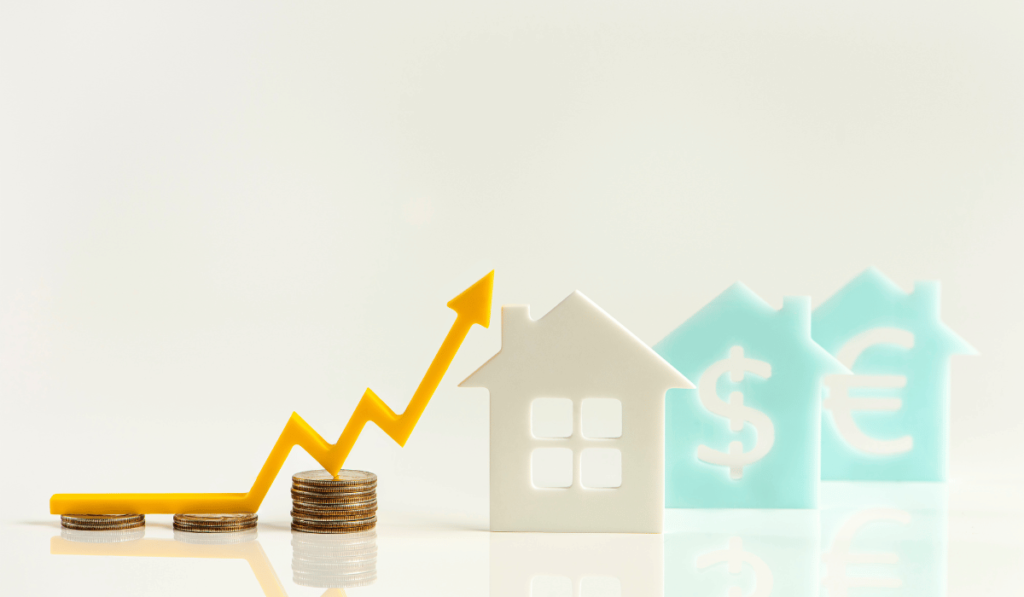
Inflation raises your operating costs — taxes, utilities, maintenance, insurance — but it also raises property values and gives you room to raise rents. Managed well, rental property is one of the better inflation hedges available; managed poorly, rising costs quietly erode your margin.
This article explores the impact of inflation on rental properties and provides strategies to navigate these changes.
Table of Contents
Quick Answer: What Inflation Changes
- Costs go up: property taxes, utilities, maintenance, and insurance all rise with inflation
- Property values go up: more equity, but also higher property tax assessments
- Rent has to keep pace — without pricing yourself out of tenant retention
For where Boston rents actually stand right now, see our latest Boston rent snapshot. The specific strategies for managing each of these pressures are below.
How Inflation Affects Rental Property Owners

Inflation can significantly influence various aspects of owning and managing rental properties.
Increased Operating Costs
Inflation often leads to higher operating costs for property owners. These include:
- Property Taxes: Property taxes tend to increase as property values rise with inflation.
- Utilities: The cost of utilities such as water, gas, and electricity typically rises during inflationary periods.
- Maintenance and Repairs: The prices for materials and labor needed for maintenance and repairs also increase.
- Insurance Premiums: Insurance companies may raise premiums to keep up with inflation.
Rising Property Values
Inflation generally results in higher property values. This can have both positive and negative effects:
- Potential Benefits of Increased Equity: As property values rise, so does owners’ equity in their properties.
- Impact on Property Taxes: Higher property values can increase property taxes, affecting overall profitability.
Tenant Affordability
Balancing rent increases with tenant affordability is a key challenge during inflation:
- Balancing Rent Increases with Tenant Retention: While raising rents may be necessary to cover increased costs, it’s important to do so without driving tenants away.
- Impact on Tenant Turnover: Significant rent increases can lead to higher tenant turnover, increasing vacancy rates, and reducing rental income.
Strategies for Managing Inflation

Effective strategies can help rental property owners manage the impact of inflation.
Rent Adjustments
Adjusting rents appropriately can help maintain profitability. Regularly analyze the local rental market to ensure rent increases align with current trends. Consider incorporating rent escalation clauses into lease agreements for periodic rent increases.
Cost Control Measures
Implementing cost control measures can mitigate the impact of rising expenses. Investing in energy-efficient appliances and systems can reduce utility costs. Negotiate with vendors and service providers to secure better rates. Regular preventive maintenance can help avoid costly repairs in the future.
Hedging Strategies
Diversification and hedging can protect against inflationary pressures. To reduce risk, spread investments across different asset classes. Consider investments linked to inflation indices.
Tax Implications
Take advantage of tax deductions and credits to offset increased costs. Ensure you are fully utilizing available deductions and credits to reduce taxable income.
Opportunities in an Inflationary Environment
Despite the challenges, inflation can also present opportunities for rental property owners:
- Potential for Increased Rental Income: Higher rents can increase rental income.
- Appreciation of Property Values: Property values generally appreciate during inflationary periods, increasing overall asset value.
- Tax Benefits: Inflation can enhance the value of certain tax benefits and deductions.
- Attracting Long-Term Tenants: Offering stability in rent increases can attract and retain long-term tenants.
Conclusion
Inflation can significantly impact rental property investments, but with proactive management and strategic planning, property owners can navigate these challenges and potentially benefit from rising costs. Understanding the effects of inflation and implementing effective strategies are essential for maximizing rental property investments.
Green Ocean Property Management can help you navigate the complexities of inflation and maximize your rental property investment. Contact us today for a consultation and take the first step towards securing your financial future in an inflationary environment.

Pioneering Tech and Social Good Revolutionizing Property Management in Boston
Cutting-edge tech and strong sustainability are reshaping property management in Boston. Managers must innovate to meet rising demand from eco-conscious tenants. By embracing tech and robust social programs, they transform operations into innovative, integrity-driven portfolios. The visionaries at the helm are shaping Boston’s future, charting a bold new course in property management. Don’t get left…

How We Plan Out Renovations
Renovations entail a lot of planning, but you don’t have to do it alone. We plan out renovations in a way that no penny or day is wasted. In today’s article, we will explain how our staff will handle your renovation and get it done extremely quickly. There will be no missed days or…
Understanding Fair Housing Laws and Avoiding Discrimination
Reading Time: 3 minutes Finding a great place to live is an essential part of building a secure and happy life. Fair housing laws exist to ensure everyone has an equal opportunity to find suitable housing. This article will guide you through these laws and how to avoid discrimination, whether you’re a renter or a…
Experience exceptional management and elevate your property with us