
Where to Place Fire and Carbon Detectors
Reading Time: 10 minutes Safety is the utmost concern when it comes to both your property and our residents. One of the biggest things that we have to make sure is that we take care of it. And we comply with the smoking carbon detector requirements in the city. What we’re going to do is we will…
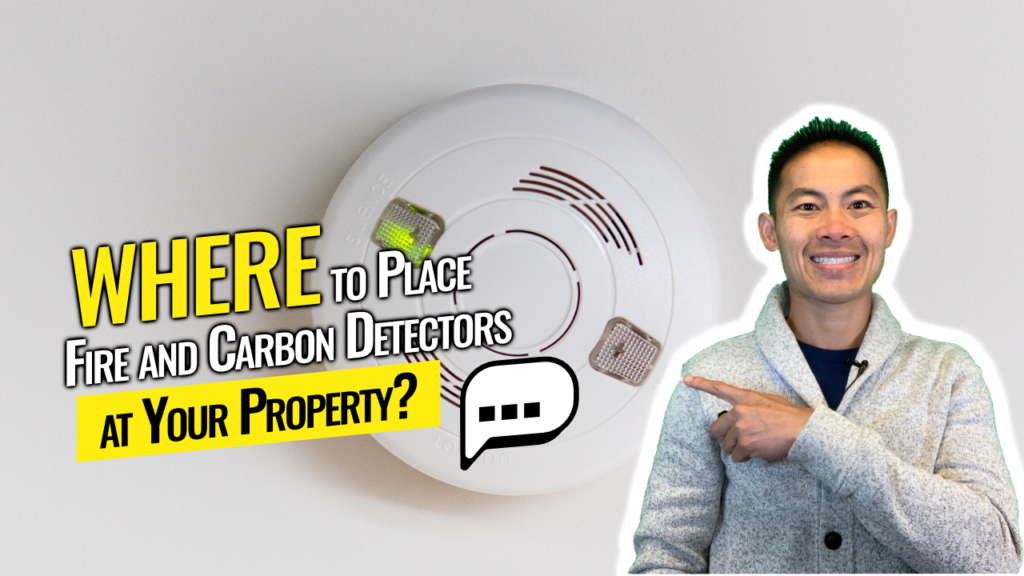
Safety is the utmost concern when it comes to both your property and our residents. One of the biggest things that we have to make sure is that we take care of it. And we comply with the smoking carbon detector requirements in the city.
What we’re going to do is we will go through and determine where your property is. Read the rules and regulations. And determine exactly what the city wants and what type of smoke detectors and where they’re located.
Table of Contents
Where to Place Fire and Carbon Detectors at Your Property?
Minimum Coverage Guidelines
Before diving into the specifics for condos and multi-families, it’s important to understand the basic safety standards most properties should follow:
- Smoke Alarms: You should have at least one smoke alarm on every level of your property and in every bedroom. In areas where smoke alarms aren’t suitable—like kitchens—heat alarms can be used as a safe alternative.
- Carbon Monoxide (CO) Alarms: These are just as important and should be installed on every level and in every bedroom. If you have any room with a fuel-burning appliance (like a gas furnace or water heater), that room should also have its own CO alarm.
- Fire Extinguishers: To be thorough, keep a fire extinguisher on every level of the home. Make sure you have one in the kitchen and one in the garage. These placements can make all the difference when seconds count.
Guidelines for Wall and Ceiling Mounting
When installing your smoke or combination alarms, where you place them can make all the difference.
- Ceiling Placement: Ideally, mount detectors on the ceiling, positioning them as close to the center of the room or hallway as possible for maximum coverage.
- Wall Placement: If local building codes allow wall mounting, make sure the top of the detector sits 4 to 12 inches below the ceiling line. This ensures smoke can easily reach the sensor.
- General Tip: Avoid placing alarms right where the ceiling and wall meet—keep them at least 4 inches away from this corner to prevent dead air pockets that could delay detection.
Whether you’re installing units from Kidde, Nest, or any other well-known brand, proper placement helps keep everyone a little safer, and goes a long way toward passing that all-important inspection.
Avoiding Obstacles: Let Detectors Do Their Job
To make sure your smoke and carbon monoxide detectors actually work when you need them most, it’s vital to keep them free from obstructions. That means avoiding placing alarms behind furniture, curtains, or large decorations that could block airflow. Skip mounting them in corners where air might not circulate well, or near ceiling fans and vents that could whisk smoke or CO away before it reaches the detector.
Instead, opt for open areas on ceilings or high up on walls, following the manufacturer’s guidance. The goal is simple: if smoke or carbon monoxide can’t reach your alarm, neither can safety.
Pitched and Cathedral Ceilings
If your property has angled or vaulted ceilings, alarm placement is a bit different. To get the most accurate readings and ensure proper coverage, install your smoke or carbon monoxide detectors close to the highest point—ideally within three feet horizontally from the peak—while still keeping at least a few inches of space between the alarm and the very top of the ceiling. This allows smoke or carbon monoxide to reach the sensor quickly without getting trapped right at the peak.
Places to Avoid When Installing Smoke and Carbon Monoxide Detectors
Now, before you run around armed with a drill and your best intentions, let’s talk about where not to install your detectors. You might think you’re covering all your bases by putting them in every nook and cranny, but some spots are notorious for sounding false alarms or hampering your device’s ability to do its job.
Here’s where you’ll want to steer clear:
- Dirty, dusty, or greasy areas: Think garages, crawl spaces, unfinished attics, and laundry rooms where lint and dust tend to congregate. Grease and soot from these places can muck up the sensors.
- Within 20 feet of combustion sources: Kitchens, furnace rooms, water heaters, dryers, and fireplaces can all emit particles that trick your detectors into unnecessary panic. If you’re short on space—like in an apartment—keep them as far away as possible and try to ventilate the area.
- Too close to cooking appliances: Smoke detectors love a burnt toast false alarm. Try to install them at least five feet away from ovens, stoves, or toasters.
- Humid spots: Hot showers, dishwashers, and saunas don’t just fog up your mirrors—they mess with detector sensors, too. Keep them at least ten feet away from these steamy areas.
- Direct sunlight and drafty spots: Avoid areas where detectors are blasted by sunlight or constant gusts from ceiling fans, windows, or HVAC vents. Airflow can actually prevent smoke or carbon monoxide from reaching the detector in time.
- Cold or hot extremes: Detectors don’t like the cold shoulder (below 40°F) or need to sweat it out (above 100°F), so skip uninsulated attics, garages, and porches.
- Bug-prone areas: Insect invasions can clog up the works and trigger false alarms.
- Fluorescent lighting: Electrical noise from these fixtures can interfere, so try to give detectors at least a foot’s space.
Bottom line? You want clean air, moderate temperatures, and no direct interference from appliances, weather, or creepy-crawlies—nothing should get between your detector and the air it’s testing.
Avoid HVAC Vents and Fluorescent Lights
When deciding on the best spots for your alarms, steer clear of areas near HVAC vents. The airflow and dust kicked up by these vents can throw off your detectors, reducing their effectiveness or causing false alarms.
Fluorescent lights are another no-go zone. Mount your alarms at least a foot away from these fixtures—the electrical interference they give off can mess with your alarm’s sensors. Keeping some distance from both vents and fluorescent bulbs goes a long way toward ensuring your alarms operate at peak performance when you truly need them.
Clearing Up Placement Myths
A common misconception is that carbon monoxide detectors must be installed low—close to the floor—to catch the gas early. In reality, the height doesn’t matter much for effectiveness. Carbon monoxide mixes evenly with air, so detectors work well whether placed high up or at mid-level. What truly matters is following the manufacturer’s installation instructions and local codes—these will ensure best performance and keep you compliant.
Avoid Direct Sunlight and Airflow Hazards
When choosing a spot for your smoke or carbon monoxide detectors, steer clear of direct sunlight. Sunlight can interfere with how these alarms sense heat and smoke, making them less effective.
Likewise, stay away from locations near open windows, ceiling fans, or vents where air is constantly moving. Airflow in these areas can sweep smoke or carbon monoxide away from the detector, delaying its response during an emergency. For peace of mind and the most reliable protection, place detectors where the air is still and unobstructed.
Places to Avoid When Installing Smoke and CO Detectors
Now, before you run out with a handful of detectors ready to stick them everywhere, hit pause. Placement matters—a lot. You actually don’t want to install smoke or carbon monoxide alarms in every nook and cranny.
Steer clear of spots that get especially dusty, dirty, or greasy. Think:
- Garages packed with car exhaust fumes
- Furnace rooms
- Crawl spaces
- Unfinished attics
- Laundry rooms where lint is king
In these locations, false alarms are a given, and grime can mess with the detector’s sensors, reducing performance. Instead, consider a heat detector for areas like these, since it’s less likely to trip over dust or debris.
The same goes for humid areas—your bathroom after a marathon shower, that cozy sauna, or anywhere near a humidifier. Stick to the golden rule: keep detectors at least 10 feet (about 3 meters) away from:
- Showers and baths
- Saunas
- Humidifiers and vaporizers
- Dishwashers
- Utility and laundry rooms
Avoiding these trouble zones means a lot fewer chirps and far better protection where you actually need it.
Places to Avoid When Installing Smoke and CO Detectors
Now, before you run out with a handful of detectors ready to stick them everywhere, hit pause. Placement matters—a lot. You actually don’t want to install smoke or carbon monoxide alarms in every nook and cranny.
Steer clear of spots that get especially dusty, dirty, or greasy. Think:
- Garages packed with car exhaust fumes
- Furnace rooms
- Crawl spaces
- Unfinished attics
- Laundry rooms where lint is king
In these locations, false alarms are a given, and grime can mess with the detector’s sensors, reducing performance. Instead, consider a heat detector for areas like these, since it’s less likely to trip over dust or debris.
The same goes for humid areas—your bathroom after a marathon shower, that cozy sauna, or anywhere near a humidifier. Stick to the golden rule: keep detectors at least 10 feet (about 3 meters) away from:
- Showers and baths
- Saunas
- Humidifiers and vaporizers
- Dishwashers
- Utility and laundry rooms
Avoiding these trouble zones means a lot fewer chirps and far better protection where you actually need it.
Temperature Ranges to Avoid for Smoke and Carbon Monoxide Alarms
When deciding where to place your smoke or carbon monoxide detectors, temperature is a key factor. These alarms don’t perform well in locations where the temperature drops below 40°F (4.4°C) or rises above 100°F (37.8°C). That means spots like crawl spaces, unfinished attics, uninsulated ceilings, porches, garages, and even some basements are off-limits for your typical smoke or CO alarm.
If you need protection in these tricky spots, consider installing a heat detector instead. Heat detectors, like those offered by Kidde or Honeywell, are designed specifically for areas with wide temperature fluctuations and can give you that extra layer of safety where traditional detectors just can’t cope.
Placement Tips for CO Alarms
Once you’ve picked a spot for your carbon monoxide (CO) alarm, resist the urge to shuffle it around. These devices are designed to monitor the air in a specific location and detect any gradual buildup of carbon monoxide over time. Relocating them can interrupt this process, potentially missing dangerous levels.
Instead, choose a permanent, recommended spot—like near sleeping areas or central locations on every floor—and keep the alarm there. For more on ideal placement, follow guidance from trusted sources like Kidde or the National Fire Protection Association (NFPA), and always review your manufacturer’s instructions for any special considerations.
Installing Alarms to Prevent Dead Air Spaces
Proper placement of your smoke or combination smoke and carbon monoxide detectors is just as crucial as having them in the first place. The goal here is to give these lifesavers every chance to do their job quickly—by preventing “dead air spaces” where smoke may not reach the alarm in time.
Dead air spaces are spots where air doesn’t circulate well, such as where the wall meets the ceiling or in corners, which can delay the detector’s response. To avoid this, consider the following guidelines for installing alarms:
- Ceiling Installations: Place your detector as close to the center of the ceiling as possible, but always keep it at least 4 inches away from the nearest wall. This ensures smoke rising throughout the room gets to the alarm without delay.
- Wall Installations: If you’re installing on a wall (and local building codes allow this), position the top of the alarm between 4 to 12 inches below the ceiling. Again, this keeps the device out of that stagnant air pocket at the very top of the wall.
- Sloped or Cathedral Ceilings: If your home has angled or vaulted ceilings, place the alarm within 3 feet horizontally of the peak, but make sure it’s not mounted right at the very top—leave at least 4 inches below the tip of the peak.
Remember, carbon monoxide detectors are a bit more flexible—CO gas mixes evenly with air, so as long as the manufacturer’s instructions are followed, there’s less need to worry about height restrictions. By steering clear of dead air spaces and following these guidelines, you’ll ensure that your alarms can work at their fastest when every second truly counts.
Fire Extinguisher Placement Guidelines
Just like with detectors, where you place fire extinguishers depends largely on the needs of your property and daily life. Here are the key guidelines for each major type:
- Home Use:
Keep at least one extinguisher on every level, with extras in the kitchen and garage—anywhere fires are most likely to start. Make sure it’s easy to grab in an emergency but out of reach of small children. Under the kitchen sink or mounted near an exit are popular choices. - Automobiles:
For cars, a compact extinguisher should be secured within reach of the driver’s seat—think under a passenger seat or in the trunk’s side pocket. Many folks use mounting brackets to prevent rolling around. For RVs or campers, an extinguisher by the main door is smart. - Commercial Spaces:
Places like offices, shops, or restaurants need extinguishers near exits, kitchens, electrical rooms, and other high-risk areas—typically within 75 feet of any employee’s location as OSHA recommends. Clearly mark and keep extinguishers unblocked at all times. - Marine Use:
Boats require marine-rated extinguishers mounted in accessible spots—near the cockpit, galley, and engine compartment. Make sure everyone on board knows where they are.
No matter the type, always check the manufacturer’s instructions for specific mounting advice, and don’t forget to give them a regular once-over to ensure they’ll work when you need them most.
Requirements for condos
Depending upon what type of property you have, you might just have a condo. You’re only going to be responsible for complying within the unit itself. Typically, what they’re going to require is one carbon monoxide detector within each floor. Of course, if there’s any type of heating system that might create carbon.
What will end up happening is that you might want one in the closet as well. Then what they will ask you to do is within 20 ft. of a kitchen or a bathroom, they will require a photoelectric type of smoke detector and anywhere else outside of an additional bedroom, depending upon how big the apartment is, they might want additional detectors as well.
It’s important to note that specific requirements for smoke and carbon monoxide alarm installation can vary significantly depending on your state and even your local region. Local laws change from time to time, so it’s a smart move to double-check with your local fire department or municipal office to ensure you’re meeting the most current standards. What might be true in one city could be different just a few miles away.
Requirements for multi-families
In a multi-family, it’s a little bit different you’re responsible for both the common areas and within the units themselves depending upon the type of multi-family you have. If you have a two family, you might only need battery type smoke detectors which are much more affordable, or if you have a three family, they actually require hardwired, which means that an electrician has to run wiring and sometimes these will also have batteries as backups, but you need to be aware and sometimes your grandfather in, but that doesn’t mean that you are compliant.
If you ever do any type of electrical work, you might need to bring that up to code and then if your building is a commercial, which is four units or more, they will advice you to put a central fire alarm system in, which means that you have a panel somewhere and all the fire alarms are within it, and those get pricey as well. And within those multi-families, you’re going to have things such as basements and stairways where at the bottom and top of the stairs, and sometimes within each landing they’re also going to want a fire detector and within the basements again with you have heating systems, they’re going to want a carbon monoxide within a certain amount of distance of those heating systems or hot water tanks.
By following these minimum coverage guidelines and tailoring your setup to the specific requirements for condos or multi-family properties, you’ll not only keep your property compliant but—more importantly—you’ll help ensure the safety of your tenants and your investment.
Can Alarms Be Installed in Insect-Prone Areas?
It’s best to avoid installing smoke or carbon monoxide detectors in areas where insects are a known problem. When bugs crawl inside these devices, they may block the sensors or trigger false alarms—which is the last thing anybody wants at 2 a.m. Not only can this be a nuisance to you and your tenants, but it also impacts the reliability of your safety systems.
If you do have to install an alarm near such a spot, make sure to keep the area meticulously clean and consider working with pest control to minimize any infestations. Routine maintenance goes a long way. Taking these precautions helps ensure your alarms work as intended—no surprise chirps or midnight fire drills.
Conclusion
It really depends on what type of property that you have but if you’re looking for a proactive property manager that will be able to guide you through that process, make sure that you’re compliant and most importantly, make sure that your tenants are safe and that you have the right smoke and right carbons, please think of Green Ocean Property Management, where you get more than a property manager, you get piece of mind.

We make NO Security Deposits a Reality with Obligo
Reading Time: 4 minutes A security deposit is a one-time fee that is collected by most landlords. Usually, they charge up to three months’ worth of rent: that is the first month, last month, and security. Other terms for a security deposit are last month’s rent, advance deposit, or cleaning deposit. However you call it, security deposits are…

9 Powerful Ways Online Reviews Boost Property Management Success
Reading Time: 4 minutesIn today’s digital age, online reviews have become a crucial factor in the success of property management companies. Potential customers use online reviews to make purchase decisions. This makes it essential for property managers to understand the impact of these reviews on their business. In this article, we’ll explore 9 powerful ways online reviews boost…
Transforming a Two-Family Home Through a Gut Rehab Project
Reading Time: 2 minutesAre you ready to witness the stunning transformation of a two-family home? Join us as we take you behind the scenes of an exciting construction project in the heart of Jamaica Plain. At Green Ocean Property Management, we’re tackling the complete gut rehab and renovation of a two-family home, and we can’t wait to share…
Experience exceptional management and elevate your property with us