
9 Sustainable and Green Initiatives in Property Management
Sustainability projects should be assessed against the building’s condition, operating needs and approval process. Begin with a documented problem—such as a leak, recurring waste contamination or equipment nearing replacement—then compare suitable options. Costs and results vary by property; an initiative is not a guaranteed saving. How should an owner or board choose a project? For…

Sustainability projects should be assessed against the building’s condition, operating needs and approval process. Begin with a documented problem—such as a leak, recurring waste contamination or equipment nearing replacement—then compare suitable options. Costs and results vary by property; an initiative is not a guaranteed saving.
Table of Contents
How should an owner or board choose a project?
For each proposal, record the problem, current condition, expected maintenance needs, installed cost and the person who can approve it. Identify whether the work affects an individual rental unit or shared-building equipment. Shared roofs, common lighting and association contracts may require a board decision and specialist assessment.
Ask for a written scope that identifies access needs, disruption, ongoing responsibilities and any exclusions. Use the nine initiatives below as questions to investigate, rather than a package every building should install.
1. Energy efficiency: assess the existing system first
Owner decision: Does the building need a repair, an adjustment to its controls or replacement equipment? Review operating records and obtain an appropriate assessment before selecting lighting, insulation or thermostat changes.
Before approval: Confirm compatibility with existing equipment, who controls the settings, installation requirements and who will maintain the system. Ask the assessor to state the assumptions behind any saving estimate; do not treat an estimate as a guaranteed result.

2. Renewable energy: check project suitability
Owner decision: Is a solar or other renewable-energy proposal suitable for this particular building and ownership arrangement? Request a site-specific assessment rather than assuming that an available roof makes a project practical.
Before approval: Have the appropriate specialists review roof condition, electrical arrangements, permissions, installation scope and future maintenance. Identify who owns the equipment and pays for repairs. Verify any incentive, financing or export-payment terms separately before including them in a budget.
3. Water conservation: investigate leaks before replacement
Owner decision: Is avoidable water use caused by a leak, maintenance issue or a fixture that warrants replacement? EPA WaterSense recommends regular leak checks and provides maintenance guidance for water-using fixtures and systems.
Before approval: Document the issue, proposed repair or replacement and who will maintain it. Use EPA’s WaterSense home-maintenance guidance as a starting point, then confirm the appropriate work for the property with a qualified professional.

4. Waste reduction: match the actual collection service
Owner decision: Which materials does the property’s collection service accept, and is the collection area practical for residents and staff? Confirm the service before ordering bins or introducing a composting arrangement.
Before approval: Assign responsibility for signage, cleaning and collection problems. Boston’s recycling guidance explains accepted materials and describes City curbside service for buildings with fewer than seven units. Confirm the arrangements for the actual address rather than assuming that every building receives the same service.
5. Green cleaning: use defined product criteria
Owner decision: What cleaning task must the product perform, and which product criteria will guide purchasing? EPA cautions against relying on vague claims such as “green” or “environmentally friendly” alone.
Before approval: Review product instructions, handling and storage needs with the cleaning provider. EPA’s guidance on identifying greener cleaning products explains relevant labels and purchasing considerations. A label does not replace correct use or staff training.
6. Sustainable materials: compare the complete specification
Owner decision: Does a proposed material fit the location, expected wear and maintenance capacity? Compare suitable options when a repair or renovation is already being considered, rather than selecting a product solely because it is marketed as sustainable.
Before approval: Obtain the product specification, installation requirements, warranty and maintenance instructions. Ask the supplier to substantiate environmental claims and identify what can be repaired or replaced later. Include installation and ongoing upkeep in the comparison.
7. Transportation: assess demand and available space
Owner decision: Would bicycle storage, clearer travel information or an electric-vehicle charging proposal address an identified building need? Establish demand before committing shared space or funds.
Before approval: Review access, space allocation and building constraints. For charging equipment, obtain an appropriate electrical assessment and identify installation, billing, maintenance and approval responsibilities. Do not assume that a bicycle-information source establishes the suitability of an EV installation.
8. Green roofs: request specialist feasibility advice
Owner decision: Is a vegetated-roof proposal worth investigating alongside the building’s existing roof needs? Treat it as a specialist project rather than a routine landscaping addition.
Before approval: Ask appropriate roof and structural professionals to assess suitability, drainage, access, waterproofing and maintenance arrangements. Confirm permissions, warranty implications and ongoing responsibility before approving a design or budget. This article does not establish that a particular roof can support the work.
9. Resident education: explain the approved system
Owner decision: What instruction would help residents use an existing or newly approved system correctly? Focus on a specific need, such as accepted recycling materials, how to report a leak or whom to contact about equipment.
Before implementation: Identify who prepares and updates the instructions, where residents can find them and how questions are handled. Keep the information consistent with the actual building arrangements. This is the communication step for an owner-approved initiative, rather than a general resident lifestyle checklist.
Verify results after the work
Keep the approved scope, invoices and maintenance instructions. Compare relevant records before and after installation, accounting for changes in occupancy, weather and utility rates. Use the findings to decide whether further work is justified.
Before commissioning another project, confirm who will approve spending, coordinate the work and retain the records. Any management or vendor services should be defined in the relevant written agreement; the ideas in this article are not a promise that every initiative is included.
Is Room Rental a Good Idea?
With many landlords still facing vacancy, they’re continuing to drop prices, pay fees, but then they don’t know what to do afterwards. Let me explain what a room rental is. Instead of having your entire apartment rented out, whether it’s a two or three-bedroom apartment rent it out to an entire group. What…

Navigating the Rental Market: Trends and Opportunities for Passive Income
In today’s dynamic real estate landscape, the rental market stands out as a lucrative avenue for generating passive income. Understanding the trends and opportunities within this market is essential for aspiring real estate investors seeking financial freedom. In this guide, we’ll delve into the rental market’s intricacies, providing insights and strategies to capitalize on its…
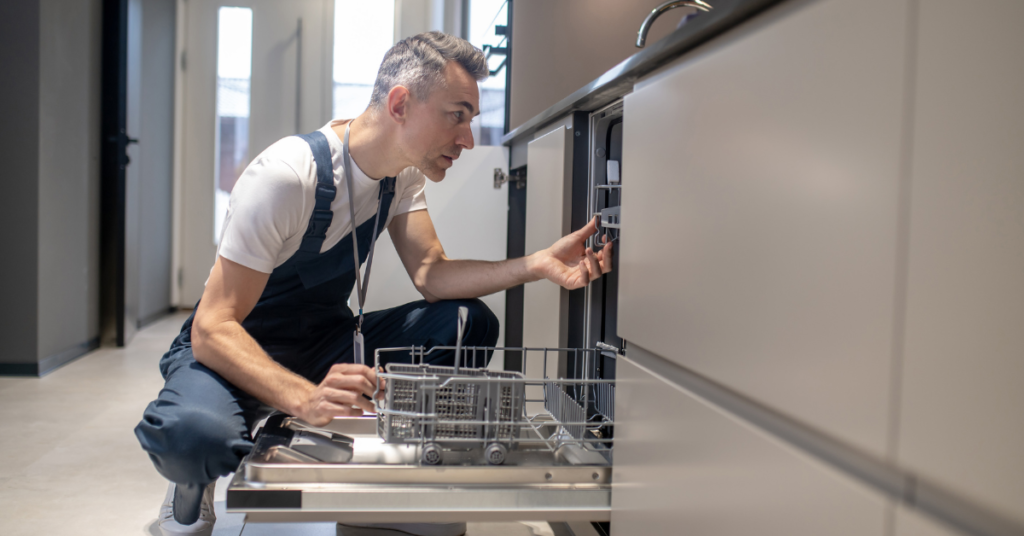
Balancing Convenience and Costs: Adding Dishwashers and Disposals to Rental Properties
As a landlord, the decision to incorporate dishwashers and disposals into your rental property during renovations is a common question that arises. Balancing the potential benefits of increased demand and convenience against the ongoing expenses and maintenance challenges is crucial. In this article, we’ll explore both sides of the coin in adding dishwashers and disposals…
4.9 stars on 1,000+ Google reviews. Managing Boston property since 1977.