
Top 3 Household Items Landlords Aren’t Required to Give to Tenants
Reading Time: 14 minutesIn today’s session, I’m going to be talking about the three household items that aren’t required but are commonly thought of as required by landlords. Rental household-item questions landlords ask Do apartments come with shower rods? Not always by legal requirement — in Massachusetts, landlords aren’t required to provide shower curtains or shower curtain…
In today’s session, I’m going to be talking about the three household items that aren’t required but are commonly thought of as required by landlords.
Rental household-item questions landlords ask
Do apartments come with shower rods?
Not always by legal requirement — in Massachusetts, landlords aren’t required to provide shower curtains or shower curtain hardware. Many landlords still install the shower rod (but skip the curtain itself, often for mold/hygiene reasons) as a low-cost way to keep the unit tenant-ready.
Wondering what else Massachusetts law does (and doesn’t) require of landlords? Green Ocean tracks compliance across 500+ rental units so owners don’t have to guess — see how full-service management works →
Are landlords required to provide blinds in a rental?
No. Massachusetts law doesn’t require landlords to provide blinds or curtains in a rental unit. Many landlords install basic mini blinds anyway (often around $10 each) or at least curtain rods, since it discourages tenants from drilling their own holes or hanging blankets over windows.
| Item | Legally required? | Common landlord practice |
|---|---|---|
| Blinds/curtains | No | Provide curtain rods or basic mini blinds |
| Shower curtain | No | Provide the rod, skip the curtain |
| Washing machine | No | Varies by property |
A common misconception is that landlords should provide everything to keep tenants happy. You’re good as long as you comply with state laws, but it’s okay to be generous if it isn’t a burden.
Here are the three most common items many landlords believe they must provide for tenants but don’t really have to.
#1 Blinds

Many of our tenants will walk in and say, “Hey, my blinds are broken,” or “if the blinds are broken, you do have to replace them.”
If they are missing, you don’t actually have to provide them. But unfortunately, a lot of times, what ends up happening is tenants will screw their own curtains.
They will also put blankets up, and it will look really unsightly. We usually install mini blinds for about $10 a piece, but it isn’t required.
That said, while the law doesn’t require landlords to provide blinds or curtains, it’s pretty common for landlords to at least supply curtain rods or rails in main living areas and bedrooms. This small gesture can save you from patching up new holes in your walls—tenants are far less likely to drill into your plaster if you’ve already provided the basics. Plus, giving them a way to cover windows from day one helps avoid the “blanket nailed to the wall” look.
If you’re thinking about blinds, keep in mind that they need to meet child safety standards. As for curtains, we only leave them if they’re already in good shape when we take over the property—otherwise, most renters want something that matches their own taste anyway. So, while you’re not on the hook for supplying window coverings, providing the hardware is a smart move that keeps your place looking tidy and saves you headaches down the line.
#2 Shower curtains
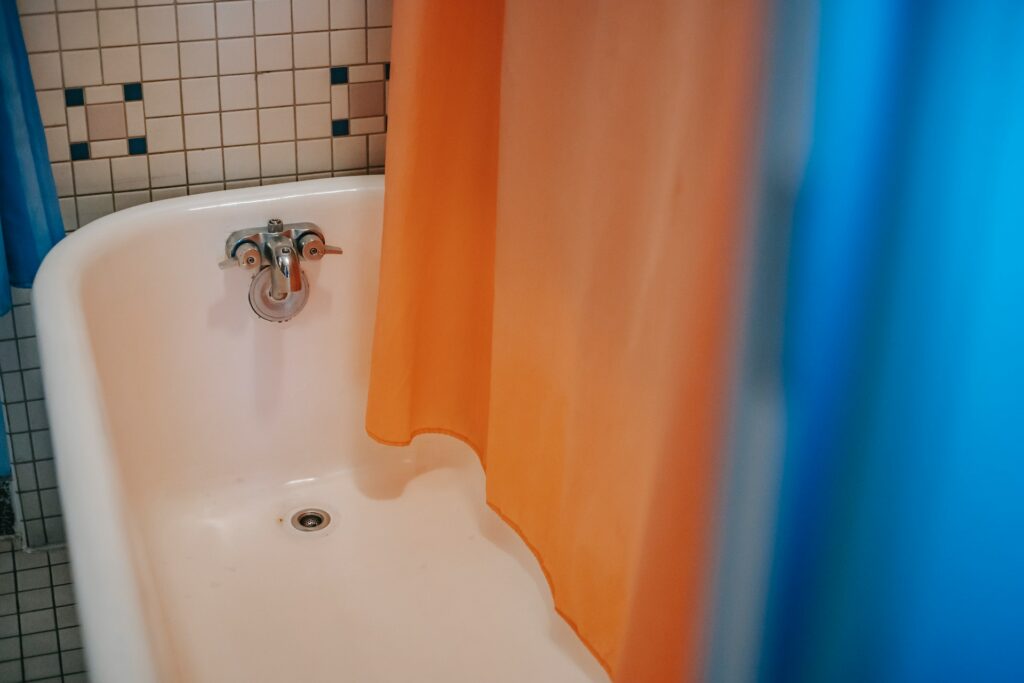
Shower curtains are a basic part of having a shower in a rental unit. Yet, not all landlords have to include them in the unit.
Typically, we will provide the rod for the shower curtain. But because of health reasons such as potential bathroom mold, many times we will not provide it.
In Massachusetts, it isn’t required to provide shower curtains in properties for rent.
Some other appliances that you do not need to provide are washing machines and AC window units. These are also additional things that your tenant might say, “Well, the previous landlord did this.”
That said, there are other small bathroom fittings that can make your property much more tenant-friendly, even though they aren’t mandatory. Things like a bathroom cabinet, towel rails (heated or not), hooks, and loo roll holders aren’t required by law, but they’re thoughtful touches that can help avoid tenants drilling into your bathroom walls. These little upgrades aren’t expensive and add a sense of completeness to the space.
While not compulsory, installing an extractor fan in the bathroom is another smart move. It’s a common addition that helps reduce the risk of damp and mold—issues every landlord wants to avoid. Even though you’re not obligated to provide these features, they’re worth considering for the long-term upkeep of your rental and a better tenant experience.
Do You Have to Provide a Cooker or Curtain Rails?
A common question new landlords ask is whether they’re required to supply appliances like cookers (stoves) or items like curtain rails in rental properties.
When it comes to cookers, there’s no hard-and-fast law saying you must install one. However, we highly recommend it from a practical perspective. Most tenants expect a working stove the day they move in, and having one in place—whether it’s gas or electric—makes the property far more appealing. In fact, the lack of a cooker can be enough to turn some potential renters away altogether. We typically provide one to avoid complaints and extra hassle down the line.
Curtain rails, on the other hand, fall into a bit of a gray area. Legally, you don’t have to provide them, but it’s almost always a good idea. When you install the rails yourself, you know they’re secure and properly fitted. Plus, it prevents tenants from drilling their own holes, which can lead to all sorts of DIY disasters or unsightly damage. It’s such a simple, inexpensive fix that can save you from headaches later on.
So, while you aren’t strictly obligated to provide either, both a cooker and curtain rails make for a smoother tenant experience and help maintain your property’s appearance.
#3 Fridge
Appliances and White Goods: What’s Actually Required?
Let’s talk kitchen appliances—what absolutely needs to be there, and what’s just a nice-to-have. If your rental comes with a kitchen decked out for built-in appliances (think those fitted spaces for a dishwasher or stove), then yes, you’ll need to provide the appropriate appliance for that space. No tenant wants to stare at a gaping hole where an oven should be.
But when it comes to free-standing white goods, like a fridge or washing machine, you’re mostly off the hook. The essentials boil down to a working stove or cooktop. That’s the one appliance you really shouldn’t skimp on because, let’s face it, everyone needs to eat. Beyond that, the fridge, freezer, washing machine, or even a dishwasher are more of an optional extra—not strictly required by law in an unfurnished rental.
Many landlords, including us, still choose to include a decent fridge or freezer to make the unit more appealing. If you do provide any appliance, though, just know that you’re on the hook for repairing or replacing it if it gives up the ghost.
And a quick word on safety—if you supply things like toasters, kettles, or microwaves, make sure you’re getting them tested regularly. Portable Appliance Testing (PAT) is a small step, but it keeps everyone (and your investment) much safer.
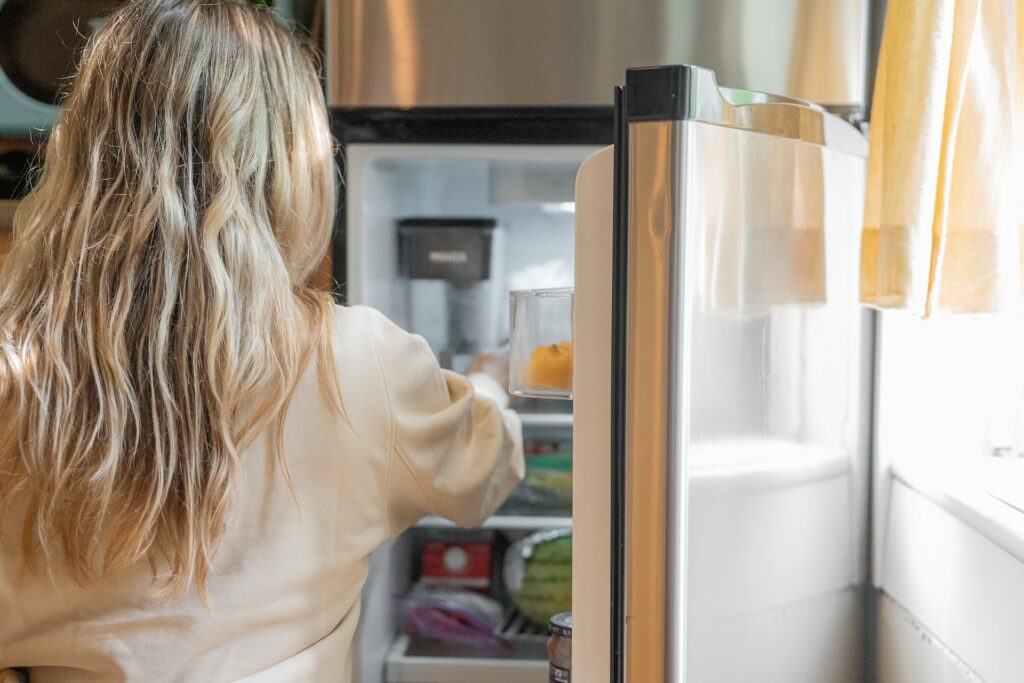
Now the biggest one that comes as a surprise to most people is that a fridge is not required. So you should provide a stove, obviously, you don’t have to provide things like dishwasher disposal because it’s not always necessary.
Many landlords wonder about other appliances—especially dishwashers. If you have an integrated dishwasher, you essentially have two options: either supply it and ensure it’s in good working order, or remove it completely and replace the space with a cupboard. Tenants do appreciate the convenience of a dishwasher (some even request plumbing be added for one), but you’re not obligated to provide one unless it’s already built into the kitchen. If you do choose to include a dishwasher, consider buying a new unit with a warranty to avoid future maintenance headaches.
The bottom line: with items like fridges, dishwashers, and disposals, it’s really about weighing convenience for your tenants against your own responsibility for repairs and replacements. If you provide an appliance, you’ll be expected to maintain it—so make sure you’re comfortable with that commitment before deciding what to include in your rental.
Technically, there’s no legal requirement demanding landlords supply a fridge—or even an oven—in a rental unit. The law simply says that the property must have facilities for the preparation and cooking of food, but it doesn’t spell out which appliances those must be. Most landlords, ourselves included, do provide an oven and hob as a standard feature, since it’s just practical. But when it comes to the fridge, it’s more of a courtesy than an obligation.
From a practical standpoint, it’s smart to consider the tenant’s experience. While you aren’t required to provide a vented extractor fan in the kitchen, installing one can help prevent condensation and mold, saving you headaches down the line. It’s one of those “not mandatory, but highly recommended” items.
So, while tenants might expect a fridge or even say, “Well, my last place had one,” just know you’re not legally on the hook for it.
Anything that you provide you have to make sure that you maintain, and replace it if it breaks. But with a fridge, you do not have to.
99% of the units that we have provided a fridge, and I do suggest it for you but it is just something of a knowledge base that you should have.
That doesn’t mean you have to, and we try to set those expectations in advance.
What Landlords Are Required to Provide
While the above items aren’t legally required, there are a few essentials that every landlord must supply to keep their property compliant and, more importantly, safe:
Smoke Alarms & Heat Detectors
- Smoke alarms are a must on every floor of a rental property. Massachusetts requires working smoke alarms in every unit, and larger or multi-unit properties often need hard-wired, interconnected alarms rather than battery-only units.
- Best practice? Have them tested annually and follow the manufacturer’s placement instructions—typically in hallways or landings.
Carbon Monoxide Alarms
- If your rental has any fixed combustion appliances (think boilers, wood-burning stoves, fireplaces—but not gas cookers), you need to provide a carbon monoxide alarm in each room that has one.
- These should be tested regularly. Many landlords use 10-year battery alarms and track expiry dates in their calendars or property management software.
Light Fittings & Electrical Safety
- You must ensure all light fittings and wiring are safe. Have the electrical system inspected by a licensed electrician periodically, and address any wiring issues before they become a habitability problem.
Flooring
- The flooring you provide should be safe. Exposed floorboards are fine as long as they’re secure and not a tripping hazard. Just leaving underlay or grippers and expecting tenants to finish the job? Not acceptable.
Secure Doors & Locks
- All exterior doors need to be secure with properly functioning locks. It’s also a good idea (and sometimes a requirement) to change the locks between tenants, especially after buying a new property.
Setting expectations with your tenants about what is and isn’t included up front can save everyone a lot of headaches down the road. This way, you stay compliant and your tenants know exactly what to expect—no more, no less.
A quick legal reminder
While landlords aren’t required to provide every household item, there are some things you are absolutely required by law to supply and maintain—namely, heating and hot water. Under Massachusetts’ State Sanitary Code (105 CMR 410) and M.G.L. c. 186 § 14, landlords must keep the heating and hot water systems in working order and the unit fit for habitation. So while you can skip the fridge or shower curtain, you can’t skip the boiler repair!
What Massachusetts Law Actually Requires (Not the UK Rules Above)
The sections above reference UK landlord law, which doesn’t apply here — if you’re renting in Massachusetts, here’s what actually governs required-vs-not-required items:
- Smoke and carbon monoxide detectors: Unlike blinds, curtains, or a fridge, these aren’t optional. Massachusetts law requires working smoke alarms in every rental unit, and carbon monoxide alarms wherever there’s a potential CO source (a furnace, boiler, fireplace, or an attached garage). See mass.gov’s guide to smoke and carbon monoxide alarms and Massachusetts law on carbon monoxide detectors for the specifics.
- Window screens: These fall on the “not required” side, the same as the blinds and shower curtains covered above — Massachusetts’ State Sanitary Code (105 CMR 410) doesn’t list screens among the required provisions. Many landlords supply them anyway since they’re cheap and reduce pest and ventilation complaints, but it’s a courtesy, not a legal obligation.
- Trash removal: This one depends on your building. For multi-unit properties, most municipal boards of health require the owner to provide adequate trash and recycling receptacles and arrange for regular removal, since accumulated garbage is treated as a sanitary code issue under 105 CMR 410. Single-family rentals more often leave trash and recycling logistics to the tenant, but that split should be spelled out in the lease rather than assumed.
Weighing the Pros and Cons of Going the Extra Mile
So what happens if you decide to go above and beyond those bare minimum requirements? There are definite upsides—but a few potential pitfalls, too.
On the plus side, offering extra items—like an upgraded fridge, a microwave, or even small touches like shelving—can make your property far more appealing. Tenants often remember the units that made move-in easier or simply felt “ready to live in.” That first positive impression, believe it or not, can help attract great tenants and may even nudge them towards longer leases or renewed contracts. Renters notice when a landlord cares, and that often comes back as better upkeep and communication from them, too.
But, here’s the flip side: every added amenity increases your upfront costs and long-term responsibility. If you install that fancy dishwasher or window AC, you’re on the hook for repairs and replacements down the line—not just at move-in. The more you include, the more you have to maintain. You’re also narrowing your target market a bit. For some renters, these extras are a selling point; for others, especially those looking to bring their own appliances, it’s not as important.
Bottom line: It’s all about finding the sweet spot between offering value and keeping your sanity (and budget) intact. Carefully consider your typical renter—are they expecting “move-in ready” or just the basics? That answer will guide how far you should go.
What About Repairs for Essential Appliances?
When it comes to essential appliances like ovens and stovetops, there’s a bit of a gray area—but some basics are fairly clear.
If an appliance is provided as part of the tenancy (meaning, it was there when the tenant moved in and is listed on your inventory), then the landlord is generally responsible for making sure it works and is safe. In Massachusetts and most states, this means if your oven or hob suddenly calls it quits, it’s on the landlord to arrange for repairs or a replacement within a reasonable timeframe.
Now, what exactly counts as “reasonable” can vary, but if the lack of a functioning appliance leaves your tenant unable to prepare proper meals—especially with young children at home—then repairs should be addressed as soon as possible. While sandwiches are fine for a snack, a few days without cooking facilities is more than just a mild inconvenience.
As for reimbursement for extra expenses, like having to buy pre-cooked meals, it’s not typically required under standard tenancy law. However, in some situations, if the downtime is excessive or the landlord delays unreasonably, tenants might have grounds to request compensation or withhold a portion of rent. It’s always best for both parties to communicate openly—sometimes, simply splitting the cost of ready meals or providing a temporary hot plate can help everyone get through a surprise appliance breakdown.
Setting clear expectations up front, and keeping lines of communication open, can prevent a minor inconvenience from becoming a major point of tension.
Including a “No Repairs or Replacements” Clause for Appliances
A question that often pops up is whether you, as a landlord, can add a clause to your tenancy agreement that says you’re not responsible for repairing or replacing certain appliances—like a fridge, washing machine, or other white goods you’ve supplied.
The short answer is yes, you can. If you decide to provide an appliance simply because it came with the property, or as an added bonus for the tenant, you’re allowed to state in your lease that while the tenant can use it, you won’t be on the hook for future repairs or replacements.
We’ve seen landlords include a specific clause in the lease to make this crystal clear. For example, you might say that tenants can use the appliance “as-is,” but if it breaks, it’s their responsibility to repair or remove it. Just remember—if you go this route, it’s essential to spell things out upfront in your lease. Setting the right expectations avoids confusion and, more importantly, headaches down the line.
We always recommend having this conversation (and putting it in writing) during lease signings, so everyone is on the same page about who’s responsible for what. Transparency helps keep your rental relationships smooth and stress-free.
Other Minor Items Landlords Sometimes Provide
There are a handful of inexpensive household staples that, while not required, landlords may choose to provide for convenience and to make the place feel more welcoming. These aren’t enough to classify the property as “furnished,” but they do help tick a few boxes for new tenants.
Some common examples you might see include:
- Lamp shades – Easy to replace and cost-friendly, lamp shades can save tenants a trip to IKEA.
- Door mats – These help keep common hallways tidy and give a good first impression.
- Kitchen rubbish bins – Not every unit comes with one, but tossing one under the sink can be a nice touch for move-in day.
- Toilet paper holders and towel racks – While part of bathroom fixtures, these little details save tenants from creative towel piling.
We stick to providing these kinds of items because, if they go missing or wear out, they’re cheap and straightforward to replace. The idea is to keep things simple for both the owner and the tenant, without overcommitting to what needs to be supplied or maintained.
When Tenants Refuse Appliance Delivery
Let’s talk about what happens if you’ve arranged to replace an appliance—like a cooker—and the tenants refuse to accept delivery or fitting.
First off, it’s essential to communicate clearly with your tenants beforehand about what’s being delivered and when. Most of the time, issues arise simply because expectations weren’t set from the beginning or there’s a misunderstanding about what’s being provided. If tenants refuse a reasonable replacement and you incur extra costs because of it (for example, needing to reorder a different appliance or pay another delivery fee), you’re within your rights to seek recovery of those extra costs.
The best course of action is:
- Document the original agreement, correspondence, and any notification you provided about delivery.
- Ask the tenants why they refused the delivery and see if it was a reasonable objection or simply a preference.
- If their refusal was unreasonable and you can show evidence of extra incurred costs stemming directly from that refusal, you may be able to claim these expenses—either by withholding from their security deposit (subject to local laws and proper documentation) or seeking reimbursement.
Of course, before charging anything, always ensure you’ve given written notice and tried to resolve the misunderstanding. Open communication goes a long way here. If it can’t be resolved directly, mediation or, as a last resort, a small claims process might be options to recover your loss.
In short: If your tenants refuse entry for a legitimate replacement, and this costs you extra, you generally do have grounds to recover those costs—just keep everything well documented and above board.
Why Let a Property Unfurnished?
So, why do we see more landlords leaning toward letting properties unfurnished these days, instead of going fully or even partly furnished? There are a few practical reasons behind this trend—beyond just avoiding “no-man’s-land” situations with mismatched or leftover furniture.
First off, the numbers: the more you provide, the more you’re responsible for when things inevitably wear out or break down. Every extra couch or dresser not only adds to your initial investment but can become another repair ticket or replacement cost down the road. By keeping things simple and unfurnished, you keep those ongoing costs and “I need a new dining chair” calls much lower.
There’s also the matter of flexibility. Many renters actually prefer the blank canvas of an unfurnished apartment—it lets them make the space their own, move in sooner, and avoid shuffling out stuff they don’t want or need. As a bonus, going unfurnished sidesteps a lot of that confusion about what, exactly, is included in the rent.
Recently, regulatory changes—like anticipated updates to tenancy laws—mean that tenants can leave with shorter notice or are allowed to have pets without as much red tape. This can mean more frequent turnovers and more wear and tear. With fewer items in the property, there’s less risk of damage and less hassle when tenants (and their pets!) move in or out.
At the end of the day, it’s about striking that right balance between staying competitive and keeping your property management smooth and wallet-friendly. Even though some small additions, such as curtain rods or bathroom shelves, can go a long way toward making a rental feel like home, committing to a fully furnished setup isn’t always necessary—or the best move for everyone.
Light Fittings
When it comes to light fittings in an unfurnished rental, the rules are pretty straightforward. Landlords are expected to make sure the property is safe and that all light fixtures are working properly at the start of a new tenancy.
You aren’t required to provide fancy fixtures or lampshades—just make sure there’s a safe way for tenants to add their own bulbs. The key here is electrical safety: keep the wiring in good working order and have it inspected by a licensed electrician if there’s any doubt.
Most landlords leave basic fittings in place, but tenants can personalize with their own shades or light bulbs if they’d like. As long as the wiring is safe and functioning, you’ve met your obligation.
Our commitment
If you or anyone else you know is looking for a proactive property manager that can be able to guide you through household items landlords aren’t required to provide in their rental properties, please think of Green Ocean Property Management: where you get more than a property manager, you get peace of mind.
Want a property manager who already knows what MA law does and doesn’t require? See how Green Ocean handles turnover, compliance, and tenant expectations for owners — investment property management →
Wondering what full-service management actually costs? See our management pricing before you decide what to handle yourself.

Dealing With Security Deposit Deductions
Reading Time: 4 minutes We have handled more security deposit deductions than we can count. In today’s article, we explain how we sorted it out with one of our residents. Move-out Inspections and Security Deposit Deductions At the end of every single lease term, a tenant will move out. It is then our job to do a…

The Importance of Reliable Pest Control for Tenant Satisfaction
Reading Time: 5 minutesPest control is a critical component of property management, encompassing measures taken to prevent and eliminate pests that can affect residential and commercial properties. Ensuring tenant satisfaction is paramount for property managers and owners, as happy tenants are more likely to stay longer, pay rent on time, and provide positive reviews. Reliable pest control is…

Section 8 Rental Applications
Reading Time: 2 minutesIn today’s session, we will be talking about Section 8 tenants. The Section 8 program and how it works The Housing Choice Voucher Program, formerly known as Section 8, is the US government’s housing choice assistance program. It authorizes the payment of rental housing assistance to private landlords for low and very low-income…
Experience exceptional management and elevate your property with us