
The Impact of COVID-19 on Property Management Practices
COVID-19 reshaped how property management works — virtual showings, contactless maintenance, tighter safety protocols. Some of those changes turned out to be permanent upgrades. Here’s what stuck. Practicing Safety Regulations One of the most significant impacts of COVID-19 on property management has been implementing new safety regulations. Property managers have had to navigate…

COVID-19 reshaped how property management works — virtual showings, contactless maintenance, tighter safety protocols. Some of those changes turned out to be permanent upgrades. Here’s what stuck.
Table of Contents
Practicing Safety Regulations
One of the most significant impacts of COVID-19 on property management has been implementing new safety regulations. Property managers have had to navigate federal, state, and local guidelines to ensure their properties are safe for tenants and employees in these challenging times. It includes everything from increased cleaning protocols to social distancing measures to installing plexiglass barriers.
In addition, property managers or owners have to educate their tenants on the importance of complying with safety protocols. It involves reminding tenants to wear masks, practicing social distancing in common areas, and encouraging them to stay home if they feel sick.

Changing Tenant Needs Amidst COVID-19
COVID-19 has also caused a shift in tenant needs. With many people working from home and spending more time indoors, tenants must adapt to new living situations. Property managers have had to respond to these changes by providing amenities that cater to these new demands.
For example, property managers must install high-speed internet and create workspaces in common areas to accommodate tenants working from home. They must also create outdoor spaces where tenants can safely exercise and socialize while maintaining social distance.

Understanding Economic Uncertainty in Property Management
COVID-19 has also created economic uncertainty for both property managers and tenants. Many people have lost their jobs or had their working hours reduced, making it difficult for them to pay rent and other monthly dues. Property managers must be flexible and work with tenants to create payment plans or defer rent payments.
Moreover, property managers need to navigate the changing real estate market. With many people leaving cities and moving to suburban areas, they must adjust their marketing strategies and adapt to new demand trends.
Implementing Virtual Property Management
One of the most significant changes COVID-19 has brought to property management is the rise of virtual property management. With social distancing guidelines in place, property managers have to find new ways to communicate with tenants and handle property maintenance.
It has included the use of virtual property tours and online rental applications. Property managers must also adapt their communication methods to fit virtual meetings and video calls to lessen in-person meetings.

The Future of Property Management
The future of property management remains uncertain as the world continues to deal with the COVID-19 pandemic. However, several trends are likely to continue in the coming years as we proceed to combat this pandemic.
First, virtual property management is here to stay. Even after the pandemic, many property managers will continue to offer virtual tours and online rental applications to save time and streamline the rental process.
Second, property managers will continue to prioritize safety regulations. Even when things return to normal, property managers will likely continue implementing safety protocols to protect their tenants and employees from future virus outbreaks.
Finally, property managers will continue to adapt to changing tenant needs. As tenants continue to work from home and spend more time indoors, property managers or owners must continuously provide amenities that cater to these needs (e.g., high-speed internet and outdoor spaces for exercise and socialization).
Why Choose Green Ocean Property Management
The COVID-19 pandemic has had a critical impact on property management practices. Property managers started adapting to new safety regulations, changing tenant needs, and battling economic uncertainty. However, they have risen to the challenge and found new ways to communicate with tenants, handle property maintenance, and provide amenities that cater to new demands. While the future remains uncertain, it is clear that Green Ocean Property Management (GOPM) will continue to prioritize the safety and needs of the tenants and embrace virtual property management to streamline the rental process in these times. It is a commitment that GOPM will continue to practice.
Our Commitment
If you or anyone else you know is looking for a proactive property manager to help guide you through the renovation and determine what you should do at your property to get you the highest amount of rent for the least amount of renovation money, please think of Green Ocean Property Management: where you get more than a property manager, you get peace of mind.

Questions to Ask When Qualifying a Vendor
Property managers and landlords should know who to trust when it comes to property maintenance. Here are some questions to ask when qualifying a vendor. Who are vendors? Vendors are the people that go into your house and provide service. These can be plumbers, electricians, handymen, or appliance technicians. We need to make…
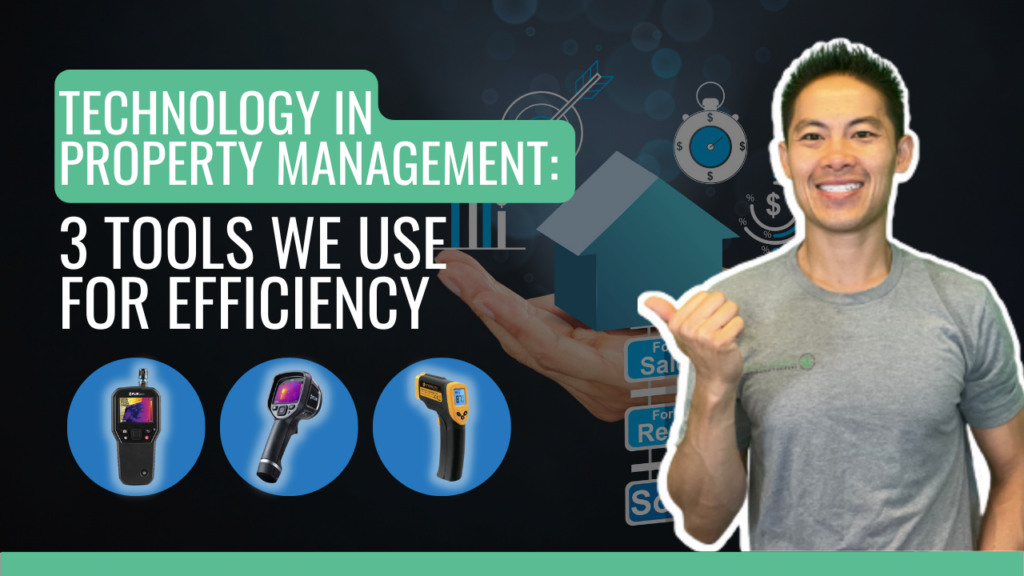
3 Tools We Use for Efficiency
At Green Ocean Property Management, we are committed to ensuring safety and comfort in all our properties. In today’s article, read about how we take advantage of property management technology with the top three tools we use for efficiency. We invest in only the best tools to diagnose and solve problems, such as the FLIR…

Slower Season? Here’s How We Still Lease Boston Rentals in Winter
Why Winter Is “Slower” But Still Viable Understanding rental seasonality tips is crucial in Boston, where peak rental activity occurs May through September, driven by academic calendars and summer relocations. However, the December-March period offers distinct opportunities. Winter renters typically include: Corporate transferees starting Q1 positions Mid-year academic enrollments Value-seeking tenants exploring winter tenant incentives…
Experience exceptional management and elevate your property with us