
Reducing Carbon Footprint: A Renter’s Guide to Eco-Friendly Living
In today’s world, where environmental concerns are at the forefront of global discussions, adopting eco-friendly practices has become imperative. As a renter, you might wonder how you can contribute to sustainability while navigating the constraints of temporary living arrangements. This roadmap aims to guide renters towards eco-friendly living, offering practical tips and strategies to reduce…

In today’s world, where environmental concerns are at the forefront of global discussions, adopting eco-friendly practices has become imperative. As a renter, you might wonder how you can contribute to sustainability while navigating the constraints of temporary living arrangements.
This roadmap aims to guide renters towards eco-friendly living, offering practical tips and strategies to reduce their carbon footprint and promote environmental stewardship.
Table of Contents
Understanding Your Carbon Footprint
Before embarking on your journey towards eco-friendly living, it’s essential to understand your carbon footprint—the total amount of greenhouse gases generated directly or indirectly by your activities. By assessing your lifestyle choices and consumption habits, you can identify areas where you can make meaningful changes to reduce your environmental impact.
Navigating Sustainability Challenges as a Renter
Living sustainably in a rental property often comes with its own set of obstacles. Since most landlords set limits on what modifications tenants can make, installing permanent upgrades—like solar panels or advanced water-saving systems—usually isn’t an option. This can be frustrating if you’re eager to make a big difference, but can’t get past the “no major renovations” clause in your lease.
There’s also the question of investment. When you know your stay might only last a year or two, putting money into long-term improvements—think high-efficiency appliances or upgraded insulation—can feel like a losing bet. Upfront costs may not offer renters a clear return, especially if there’s a chance you’ll move out before reaping any savings.
But here’s the good news: Sustainable living isn’t out of reach, even with these constraints. The key is focusing on what you can control—making smaller, day-to-day choices that add up over time. In the sections below, you’ll find practical tips perfectly suited for renters who want to embrace greener living without risking their security deposit or draining their bank account.
Energy-Efficient Habits
Sustainable Living as a Renter
Living sustainably in a rental doesn’t have to feel like an uphill battle. While lease agreements might prevent major renovations—like swapping out windows for triple-pane or installing rooftop solar panels—there are still plenty of ways to create a more eco-friendly home, even within these constraints.
Navigating Lease Limitations
Rental agreements can make it tricky to implement significant upgrades or infrastructural changes, but that doesn’t mean renters are powerless. The focus shifts to simple, reversible actions—think LED light bulbs instead of incandescent, or window draft blockers rather than new insulation. These small swaps have a cumulative effect, trimming your personal carbon footprint without running afoul of your lease.
Invest in Portable and Temporary Solutions
Since permanence isn’t always possible, consider eco-friendly choices that move with you:
- Opt for energy-saving smart plugs you can unplug on moving day.
- Use water-saving showerheads or faucet aerators that are easy to install and remove.
- Choose removable window film to reduce heat gain or loss, making your space more efficient without altering the property.
Mindful Consumption and Waste Reduction
You can also cut your environmental impact through mindful daily decisions:
- Practice diligent recycling and composting where possible.
- Embrace reusable shopping bags, water bottles, and storage containers.
- Purchase second-hand furniture and décor to minimize demand for new resources.
By focusing on what you can change—habits, portable upgrades, and conscious consumption—you’ll discover that sustainable living in a rental is both practical and attainable. Even with temporary walls and well-worn carpets, your commitment to greener choices can ripple outward, inspiring others in your building or community.
Simple adjustments to your daily routines can significantly decrease energy consumption. From turning off lights and electronics when not in use to investing in energy-efficient appliances, adopting these habits not only conserves energy but also lowers utility bills, benefiting both the environment and your wallet.
Start Small, See Big Results
Even in a rental, where you might face limitations on making major upgrades, small yet impactful changes can make a real difference. Consider using portable appliances with the Energy Star label—such as a toaster, kettle, or fan—to reduce your energy footprint without requiring landlord approval. Over time, these modest decisions add up, making your living space both eco-friendly and cost-effective.
Optimize Heating and Cooling
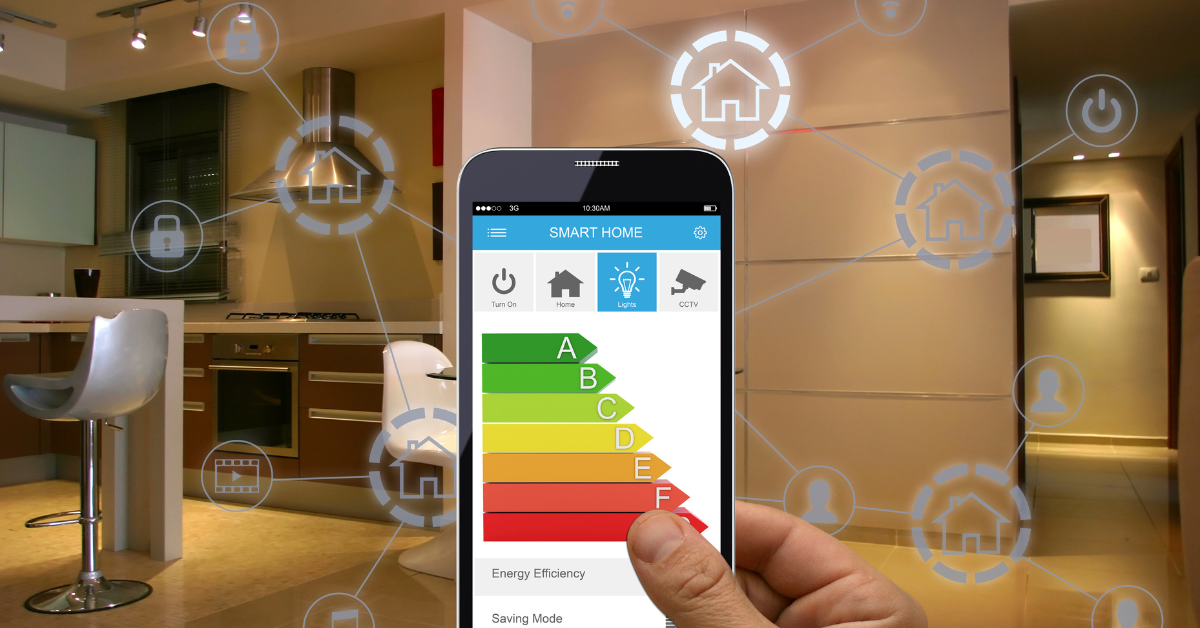
Consider installing a smart thermostat, which can automatically adjust the temperature based on your schedule. These devices help maintain comfort while reducing unnecessary energy use—and many can be controlled remotely via smartphone apps, making it easy to manage your heating and cooling even when you’re away. If installing a new thermostat isn’t possible, remember to set your heating and cooling systems to more energy-efficient temperatures and close doors to unused rooms to further conserve energy.
Illuminate Wisely
Making the switch to LED light bulbs is a simple yet effective way to cut down on energy usage. LEDs use at least 75% less energy and last much longer than traditional incandescent bulbs, meaning you’ll save both on electricity and on the frequency of bulb replacements. Don’t forget to turn off lights when you leave a room to avoid unnecessary usage.
Choose Efficient Appliances
Whenever possible, opt for appliances with the ENERGY STAR label, which indicates high energy efficiency. Even small changes, like choosing an efficient toaster or kettle, can make a difference over time. Unplugging devices and chargers when they’re not in use also helps prevent “phantom” energy drain.
By incorporating these strategies into your everyday life, you’ll notice a meaningful reduction in both your energy consumption and your overall carbon footprint.
The Benefits of Switching to LED Lighting for Renters
For renters seeking simple ways to lower their carbon footprint, upgrading to LED lighting is a practical first step. LEDs use up to 75% less energy compared to traditional incandescent bulbs, which means you’ll see lower electricity bills—a win for your wallet and the planet.
Another advantage? LEDs have a much longer lifespan, so you’ll spend less time climbing on chairs to swap out burnt-out bulbs. This durability makes them especially convenient for rental spaces where permanent upgrades might not be an option. Best of all, swapping bulbs is a reversible, landlord-friendly change that instantly boosts your home’s energy efficiency without major effort or expense.
Leveraging Smart Thermostats for Energy Savings
For renters aiming to shrink their energy use without making permanent changes, smart thermostats offer an accessible solution. These devices learn your daily schedule, automatically adjusting heating and cooling to match when you’re home or away. This not only keeps living spaces comfortable but also prevents unnecessary energy use.
An added benefit: most smart thermostats are simple to install and easy to take with you when you move, making them a great fit for anyone in temporary housing. Plus, with remote controls via your smartphone, you can tweak your home’s temperature wherever you are—whether you forgot to turn the heat down before heading to work or want to warm things up before returning home. The result is greater convenience, lower utility bills, and a smaller carbon footprint—no complicated setup required.
Optimizing Heating and Cooling in a Rental
Maximizing comfort without sacrificing energy efficiency is possible—even in a temporary or rented space. Start by making small changes: use thick curtains or thermal blinds to help insulate windows, keeping rooms warmer in winter and cooler in summer.
If your apartment allows, consider installing a smart thermostat, such as the Nest or Ecobee. These devices learn your schedule and automatically adjust the temperature to save energy when you’re away. Many are designed for easy installation and can often be taken with you when you move.
Additionally, regularly check that vents are unobstructed and replace filters in portable heaters or air conditioners when needed. Taking a few simple steps ensures your space stays comfortable year-round, all while keeping energy usage—and bills—in check.
Choosing Sustainable Transportation
Opting for sustainable transportation alternatives, such as walking, biking, or using public transit, reduces carbon emissions associated with commuting. Additionally, carpooling or ridesharing minimizes traffic congestion and promotes social connectivity while lessening the environmental impact of individual vehicle usage.
Community Efforts Matter
Engaging in community-based initiatives like bike-share programs or organizing a carpool group with neighbors can further multiply your positive impact. These collective efforts foster a sense of connection and shared responsibility within your neighborhood.
Reducing Waste
Waste reduction is a fundamental aspect of eco-friendly living. Embrace practices such as recycling, composting, and avoiding single-use plastics to minimize waste generation. Additionally, prioritize purchasing products with minimal packaging and opt for reusable alternatives whenever possible to curb unnecessary resource consumption. There is a significant reduction in waste when you choose to use fewer single-use plastics. Whenever feasible, reach for reusable containers, bags, and utensils—these simple swaps can greatly reduce the amount of waste you produce over time. By making these mindful choices part of your daily routine, you not only decrease landfill contributions but also set a positive example for others striving to live more sustainably.
No matter your living situation—whether you own or rent—there are practical steps you can take. Composting isn’t just for homeowners; renters can use compact kitchen compost bins to turn food scraps into nutrient-rich soil, even in smaller spaces. Set up clearly labeled recycling bins to make sorting easy and effective, ensuring recyclable items don’t end up in the landfill.
Another powerful way to cut down on waste is by reducing reliance on single-use plastics. Switch to reusable containers, bags, and utensils in your daily routine. Small changes, like bringing your own coffee cup or shopping bag, add up over time and contribute to a significant reduction in waste.
By adopting these habits, you foster a sense of shared responsibility and community while making real progress toward a more sustainable lifestyle.
Simple Actions for Big Change
Small changes—like bringing reusable bags to the store, starting a compost bin on your balcony, or participating in local recycling drives—can drastically cut down on waste. If your building has a community garden or swap meet, get involved. Not only do these efforts reduce landfill contributions, but they also build community ties.
Waste Reduction Strategies for Renters
Living in a smaller space doesn’t mean you have to miss out on effective waste reduction or recycling habits. Renters can easily set up an organized recycling system—even in apartments or compact homes—by making a few thoughtful adjustments:
- Designate Separate Bins: Invest in stackable or slim-profile bins and clearly label each for easy sorting (paper, plastics, glass, metals). This makes recycling much more manageable and keeps things tidy, even in tight corners or under kitchen sinks.
- Compact Composting Solutions: Apartment dwellers can try countertop compost containers or compact worm bins to turn food scraps into plant food for houseplants or community gardens—no backyard needed.
- Minimize Single-Use Products: Opt for reusable shopping bags, water bottles, and food containers to cut down on waste. Keeping a small set of these essentials by your door or in your bag can make sustainable choices second nature.
- Coordinate with Your Building: If your building doesn’t have a recycling pick-up, connect with neighbors or building managers to establish a shared system or schedule drop-offs at a local recycling center.
By organizing a simple but effective waste reduction system, renters not only decrease their environmental footprint, but also contribute to a culture of sustainability within their communities.
Composting for Renters: Small-Space Solutions
Composting isn’t just for those with sprawling backyards—renters can absolutely join in, even if space is limited. Compact compost bins or countertop composters, like Bokashi buckets or worm bins, fit easily in apartments or balconies. These containers control odors and require minimal maintenance, turning food scraps into valuable soil for houseplants or community gardens.
By choosing the right composting method for your living situation, you can reduce food waste and contribute to a healthier planet, no matter how cozy your space may be.
Eco-Friendly Cleaning Solutions for Renters
For renters aiming to reduce their environmental impact, switching to green cleaning solutions is a simple yet powerful step. Common household staples such as baking soda, white vinegar, and lemon juice are excellent alternatives to conventional chemical cleaners. These ingredients can tackle everyday messes—deodorizing, scrubbing, and dissolving grime—without the harsh residues found in many commercial products.
Try this: mix equal parts vinegar and water for an all-purpose spray, or sprinkle baking soda on surfaces before wiping to naturally lift stubborn stains. Not only do these options protect indoor air quality, but they also help keep local water sources free from pollutants. Embracing these greener methods ensures a healthier home and a lighter footprint on the planet.
Embracing Non-Toxic Cleaning Solutions
Switching to non-toxic cleaning alternatives is a simple yet effective way to create a healthier home for both yourself and the planet. Everyday ingredients you likely already have—such as baking soda, vinegar, and lemon juice—offer powerful cleaning abilities without introducing harsh chemicals into your living space.
- Baking soda acts as a gentle abrasive, making it ideal for scrubbing sinks, countertops, and even removing stubborn stains from cookware.
- Vinegar excels at cutting through grease and dissolving mineral deposits. It can be diluted with water to clean glass, bathroom fixtures, and kitchen surfaces.
- Lemon juice not only has a fresh, natural scent but also possesses antibacterial properties and can help tackle soap scum or brighten surfaces.
By incorporating these simple ingredients into your cleaning routine, you reduce reliance on single-use plastic containers and decrease the release of toxins into the environment—further supporting your commitment to sustainable living.
Benefits of Non-Toxic Personal Care Products
Switching to non-toxic personal care products offers a host of environmental and health advantages. These products are typically free from harsh chemicals and synthetic additives, reducing water pollution and limiting the release of harmful substances into ecosystems. By choosing shampoos, soaps, and lotions made from natural ingredients, you support brands like Dr. Bronner’s and Burt’s Bees that prioritize biodegradable formulas and responsible sourcing.
Beyond environmental benefits, non-toxic options are often gentler on your skin and can help avoid potential irritation or allergic reactions. Making this change—whether at home or in a rental—creates a healthier living space while contributing to a safer, more sustainable planet. Each mindful swap adds up, helping pave the way for a greener future.
Sustainable Food Choices
Making conscious food choices can significantly impact the environment. Support local and organic food producers, reduce meat consumption, and minimize food waste by meal planning and composting organic scraps. By prioritizing sustainable food options, you can reduce greenhouse gas emissions associated with food production and support environmentally friendly farming practices.
Meal Planning and Local Sourcing
Try shopping at farmers’ markets or joining a local CSA (Community Supported Agriculture) program. Planning meals ahead helps limit food waste, and composting scraps—even in a small container—keeps organic waste out of the landfill.
Conserving Water

Water conservation is essential for preserving this finite resource. Install water-saving fixtures, repair leaks promptly, and practice mindful water usage in daily activities such as bathing, dishwashing, and gardening. By conserving water, you contribute to the sustainability of freshwater ecosystems and mitigate the environmental impact of excessive water consumption.
Every Drop Counts
If you can’t make permanent changes, consider temporary options like low-flow showerheads or faucet aerators that are easy to install and remove. Simple habits, such as turning off the tap while brushing your teeth or collecting rainwater for plants, also make a difference.
Offsetting Carbon Emissions
Despite efforts to minimize carbon emissions, some activities may still contribute to your carbon footprint. Consider offsetting these emissions by supporting carbon offset projects such as reforestation initiatives or renewable energy development. Carbon offsetting allows you to mitigate your environmental impact and support projects that promote sustainability and climate resilience.
Support Broader Initiatives
Look for reputable organizations that let you invest in renewable energy or tree-planting projects. Even modest contributions support global efforts to slow climate change.
Advocating for Change
As a renter committed to eco-friendly living, you can amplify your impact by advocating for sustainable practices within your community and engaging with policymakers to promote environmental conservation initiatives. By raising awareness and advocating for change, you contribute to the collective effort towards a more sustainable and resilient future.
Getting involved at the local level can be as simple as participating in community gardens, organizing or joining swap meets, or supporting neighborhood recycling programs. These activities not only reduce waste and resource consumption but also foster a sense of shared responsibility and collaboration among neighbors. By connecting with others who share your commitment to sustainability, you help build a community that values and practices environmental stewardship.
Inspire Others
Share your journey with friends, neighbors, and online communities. Suggest eco-friendly upgrades to your property manager, or help organize sustainability-focused events where you live. By inspiring others to take small steps, you help normalize sustainable living in rental spaces.
The Power of Sharing Your Eco-Friendly Wins
Sharing your experiences with sustainable living as a renter not only highlights what’s possible, but also encourages others to follow your lead. When you talk about the practical steps you’ve taken—whether that’s composting in your apartment kitchen or convincing your building to install LED lights—you demonstrate that positive change is achievable at any scale.
These stories foster a sense of community and allow others to see firsthand how eco-conscious habits can fit into rental life. By celebrating your successes through conversations, social media, or local community groups, you help spread awareness and normalize sustainable choices in rental communities—creating a ripple effect that can inspire landlords, neighbors, and even local businesses to invest in greener practices themselves.
Conclusion
Embracing eco-friendly living as a renter is not only achievable but also essential in mitigating climate change and preserving our planet for future generations. By implementing the strategies outlined in this roadmap, you can play a significant role in building a more sustainable world.
Remember: every small change counts. Start with one habit, stay consistent, and celebrate your progress. Together, renters everywhere can make sustainable living the new standard.
If you’re looking for rental properties that prioritize sustainability and eco-conscious living, consider Green Ocean Property Management. With a commitment to environmental responsibility, Green Ocean offers a range of eco-friendly housing options that align with your values.
Take the first step towards a greener lifestyle by choosing a rental property managed by Green Ocean Property Management. Together, we can make a difference for our planet.

Security Company vs. Company for Property Management: The Difference
A security company and a property management company solve different problems. One protects the physical property; the other runs everything else — leasing, maintenance, finances, compliance. Here’s where the line is. What is a Security Company? A security company specializes in safeguarding properties and assets. Their primary focus is on maintaining a…

Seven Signs You May Need a Property Management Company
Rental management may be worth considering when the workload exceeds the time or support you have. Compare the tasks you need help with, the manager’s scope and the total fees before deciding. This guide covers seven signs, including two situations that depend on your property and staffing: You have limited time or availability. Finding and…

Wearing our Brand
Our branding makes us stand out among the rest—or at least identifies and distinguishes us from the next person. In today’s article, we explain how wearing our brand takes our identity to the next level and reminds us of our mission as your dedicated property manager. The Importance of Wearing our Brand So…
Experience exceptional management and elevate your property with us