
Effective Communication Strategies for Landlords and Tenants
Reading Time: 9 minutesA successful landlord-tenant relationship hinges on clear and consistent communication. Just like a strong bridge connects two points, effective communication allows both parties to feel heard, understood, and confident in their roles. When communication breaks down, misunderstandings arise, and minor issues can escalate into major conflicts. Let’s explore strategies to build a communication bridge that…
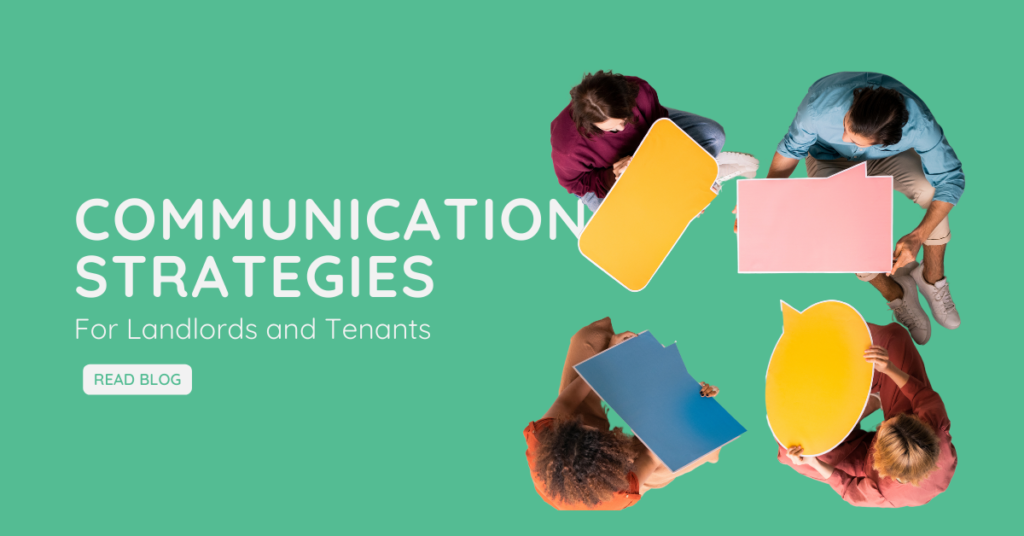
A successful landlord-tenant relationship hinges on clear and consistent communication. Just like a strong bridge connects two points, effective communication allows both parties to feel heard, understood, and confident in their roles. When communication breaks down, misunderstandings arise, and minor issues can escalate into major conflicts. Let’s explore strategies to build a communication bridge that fosters a smooth and positive rental experience for everyone.
Table of Contents
Clear Communication Channels Are Important

The foundation for effective communication lies in establishing clear channels. Discuss with your tenant their preferred methods of contact, whether it’s email, phone calls, text messages, or a dedicated online portal offered by your property management company. Agree on reasonable response times for each communication method. Additionally, designate a specific channel for urgent matters, such as emergencies or critical maintenance issues.
Understand Your Tenant’s Needs and Preferences
Just as no two properties are exactly alike, tenants also differ in how they want to communicate and what they expect from their landlord. Some may feel most comfortable with a phone call, while others prefer an email or even a simple text. Don’t assume—ask your tenants which channels they find most accessible.
Consider using periodic surveys—these can be distributed online, by email, or even on paper—to gather direct feedback about communication preferences and satisfaction. This not only shows you value their input but also helps you adjust your approach if needed.
Routine check-ins, such as quarterly property inspections or follow-ups after completing repairs, can further clarify expectations and help catch any brewing concerns before they escalate. Just be mindful to keep these interactions helpful rather than intrusive; respect your tenant’s privacy and time.
By tailoring your communication strategy to each tenant—and keeping the lines open and approachable—you set the stage for smoother interactions and fewer misunderstandings.
The Power of Prompt Responses
Responding quickly to tenant questions isn’t just courteous—it’s a cornerstone of trust in property management. Whether your rental is nestled in Boston, bustling in Brisbane, or somewhere in between, tenants want to know their concerns are heard and valued. Timely replies demonstrate that you are attentive and reliable, helping to prevent small issues from morphing into larger headaches.
Ideally, aim for a response within 24 hours—even if you don’t have a full solution yet. A simple acknowledgment lets your tenant know their message hasn’t disappeared into the void. If you need more time, give an honest estimate of when they can expect an update. This little show of respect goes a long way in minimizing frustration and maintaining a positive landlord-tenant relationship.
Prompt communication sets the tone for future interactions and helps ensure your tenants feel at home—not just in the rental property, but in their relationship with you as their landlord.
The Value of Routine Check-Ins
Building a strong landlord-tenant relationship isn’t just about being available in an emergency—it’s also about proactive communication. Routine check-ins, such as quarterly property visits or follow-ups after maintenance work, demonstrate your commitment to your tenant’s comfort and well-being.
These touchpoints don’t need to be complicated. A quick phone call, a friendly email, or a scheduled in-person visit helps ensure everything is running smoothly and gives tenants an easy opportunity to share any concerns before they grow. Importantly, keep these check-ins professional and respectful of your tenant’s space—think of them as bridge maintenance rather than surprise inspections.
By checking in regularly, you can catch small issues early, reinforce trust, and show tenants that their living experience matters. Over time, this consistent communication fosters a sense of partnership and makes it easier to work together through any bumps in the rental road.
Include Emergency Procedures in Your Communication
When it comes to emergencies, clarity and preparation are key. Make sure tenants know exactly what to do if a situation arises. Provide straightforward instructions covering:
- Types of Emergencies: Outline scenarios such as fires, gas leaks, water intrusion, or power outages.
- Who to Contact: Share the best phone numbers for immediate help—your direct line, your property management company, and local emergency services like 911.
- Step-by-Step Actions: List simple, actionable steps they should follow (e.g., “Evacuate the building,” “Call the fire department,” or “Shut off the main water valve if safe to do so”).
- Location of Safety Equipment: Point out fire extinguishers, emergency exits, and first-aid kits in the property, just like a hotel highlights these spots for guests.
Be proactive: share this information during move-in, post a quick-reference chart in a central location, and send occasional reminders. Taking these steps ensures tenants feel confident in their ability to respond—building trust and minimizing confusion if an emergency ever strikes.
Share Emergency Protocols Upfront
Clearly outlining emergency protocols with your tenants is essential for everyone’s safety and peace of mind. When tenants know exactly who to contact and what steps to follow in the event of a fire, water leak, or other urgent situations, it helps prevent panic and minimizes damage.
Start by walking tenants through common scenarios—think power outages, burst pipes, or break-ins—and provide a simple, step-by-step action plan for each. Be sure to specify which issues require immediate attention and who to reach (plumber, electrician, or directly to you), along with the designated emergency contact method agreed upon earlier.
This proactive approach not only protects your property but also reassures tenants that you have their wellbeing in mind. By making emergency communication protocols transparent from day one, you empower your tenants and contribute to a smoother landlord-tenant experience.
Prioritize Transparency with Policies
Open and honest policies are the backbone of a trusting landlord-tenant relationship. When everyone is on the same page about the rules—whether that’s late fee schedules, maintenance procedures, or quiet hours—it minimizes confusion and prevents unwelcome surprises down the road.
Clarity builds trust. Sharing your policies upfront and making them easily accessible (think: a welcome packet, a link to your property management portal, or even a good old-fashioned binder on the counter) shows tenants you value transparency. Plus, it sets expectations for both sides—tenants know what’s required, and landlords can reference agreed-upon standards instead of hashing out rules after problems arise.
If you need to update or revise your policies, proactive communication is key. Notify tenants about any changes or upcoming maintenance well in advance and explain how these adjustments may impact them. This thoughtful approach reassures your tenants that their interests are considered and helps avoid unnecessary frustration or misunderstandings.
Setting the Stage: The Power of Thorough Tenant Onboarding
First impressions matter—and in the world of rentals, the onboarding process sets the tone for the entire landlord-tenant relationship. A thoughtful, transparent onboarding isn’t just a box to tick; it’s the blueprint for open dialogue and trust down the line.
From day one, aim to provide tenants with a comprehensive welcome. Share clear information about house rules, emergency protocols, contact details for maintenance requests, and everyday essentials like trash pickup schedules or how to use that tricky thermostat. Covering all the bases upfront helps both parties avoid confusion later.
It can be tempting to gloss over minor quirks or avoid discussing that aging appliance in hopes of making your property shine. Resist the urge. Being upfront about the property’s condition and any upcoming improvements sets clear expectations and demonstrates honesty—a trait tenants will remember long after move-in day.
Ultimately, a robust onboarding process builds a foundation of trust and mutual understanding, making it much easier to address any concerns or changes that arise in the future. When tenants know they can rely on open communication from the beginning, you’re far more likely to enjoy a positive, long-term rental relationship.
What to Share During Tenant Onboarding
First impressions matter, and onboarding sets the tone for your entire landlord-tenant relationship. Make it count by providing tenants with a clear roadmap of what to expect. The more transparent and thorough you are upfront, the fewer surprises (and headaches) down the road.
Start by sharing all essential policies and property guidelines. Highlight expectations for things like noise, parking, guest policies, trash collection, and pet rules. Be upfront about rent payment schedules, methods, and due dates so everyone is on the same page from day one.
Provide contact information for emergencies and routine maintenance. Consider giving a handy list of local utilities, nearby service providers, or even community amenities—think of it as your rental’s welcome packet. If your property uses online portals for payments or maintenance requests, make sure tenants know how to use them.
Don’t forget to address the condition of the property. Walk through the space with your tenant, making note of any pre-existing issues and pointing out features and amenities, from that shiny new dishwasher to quirky historic windows.
Clear communication about future events—like scheduled maintenance, regular inspections, or notice procedures for rent increases—helps tenants feel prepared, fostering trust right from the start. And, as always, honesty is your best policy. Addressing potential concerns up front paves the way for a positive and long-lasting rental relationship.
The Art of Active Listening
Effective communication goes beyond simply sending messages. Active listening is paramount. When your tenant has a concern, pay close attention to their words without interrupting. Demonstrate empathy by acknowledging their feelings and perspectives. Restate key points in your own words to ensure understanding. By actively listening, you build trust and show your tenant that their voice matters.
Encourage Open and Honest Feedback
Creating a space where tenants feel safe to share their opinions is essential for smooth communication and continuous improvement. Proactively invite feedback—not just when issues arise, but on a regular basis—to ensure you’re aware of both strengths and areas needing attention. Regular feedback helps catch small issues before they grow, and demonstrates to tenants that their perspectives truly matter.
Consider these best practices for gathering feedback:
- Offer Multiple Avenues: Make it easy for tenants to express their thoughts by providing various channels—such as informal conversations, anonymous online surveys, or feedback forms following maintenance visits or policy changes.
- Act Promptly: When you receive constructive input, acknowledge it quickly and thank your tenant for their honesty. Even if a solution isn’t immediate, transparency about next steps builds trust.
- Follow Up: Let tenants know what actions you’ve taken based on their suggestions. Closing the loop reassures them that their voices are not only heard but valued.
By fostering an environment of open dialogue and demonstrating responsiveness, you pave the way for a more trusting and cooperative landlord-tenant relationship.
Maintaining Professionalism
The tone of your communication sets the overall mood of the interaction. Always maintain a professional and respectful demeanor. Use polite and courteous language, avoiding inflammatory remarks or accusatory statements. Focus on finding solutions rather than assigning blame. Remember, a collaborative approach leads to a more positive outcome for both parties.
Keep it Clear and Concise

Clear and concise communication is key. Avoid technical jargon or confusing terms that your tenant may not understand. Break down complex information into easy-to-follow steps. Proofread all communication before sending to ensure clarity and professionalism. By taking the time to communicate clearly, you minimize confusion and ensure your tenant feels informed and empowered.
Honesty Sets the Stage for Lasting Trust
Setting clear expectations from day one isn’t just a courtesy—it’s key to a smooth and trusting landlord-tenant relationship. When you’re upfront about the property’s true condition and the amenities included, you avoid setting unrealistic expectations or potential disappointments down the road. Think of this as laying the foundation for transparency; it encourages tenants to ask questions and voice concerns without hesitation.
Being honest about everything—from quirky appliances to renovation dates and exactly what’s included in the rent—means fewer surprises later. For example, if the washer is vintage or the heating system needs a gentle touch, letting your tenant know before move-in day can prevent misunderstandings and foster goodwill.
Ultimately, transparency at the outset isn’t just about avoiding difficult conversations—it actually builds confidence and respect. Tenants appreciate knowing what to expect, and you, in turn, are seen as a trustworthy landlord who values integrity over short-term gain. This honest approach paves the way for smoother communication, fewer disputes, and a healthier rental relationship for everyone involved.
Maintain a Record for Peace of Mind
Documentation is essential for maintaining a clear record of communication. Keep copies of all emails, phone logs, and written notes regarding any interactions with your tenant. Document maintenance requests, repairs completed, and any agreements reached. Maintaining copies of the lease agreement and other relevant documents is crucial in case of any future disputes.
Streamline Communication in the Digital Age
Technology offers valuable tools to enhance communication. Utilize online portals for rent payments, maintenance requests, and general communication. Text messages can be a great way to send time-sensitive updates or reminders. Consider video conferencing for virtual inspections or meetings when in-person interactions are not feasible. Technology can streamline communication and provide a convenient platform for both parties.
Find Solutions Together

Disagreements are inevitable in any relationship, professional or otherwise. The key is to address conflict constructively. Focus on finding solutions rather than assigning blame. Utilize “I” statements to express your concerns without resorting to accusations. (“I feel frustrated when…” vs. “You always…” ). If communication has reached an impasse, consider involving a neutral third party as a mediator to facilitate a productive discussion.
Sample Communication Templates
Having the wording ready in advance makes it easier to stay clear and professional even when a message is time-sensitive. A couple of starting points:
Maintenance update: “Hi [Tenant Name] — we received your request about [issue] on [date]. A technician is scheduled for [date/time]. We’ll follow up once the work is complete. Reach out anytime if the issue gets worse in the meantime.”
Policy change notice: “Hi [Tenant Name] — starting [date], we’re updating [specific policy] to [what’s changing]. This applies to all units. Full details are attached, and we’re happy to answer any questions before it takes effect.”
Templates like these save time on routine messages while still leaving room to personalize the specifics — the goal is consistency, not a form-letter feel.
Conclusion: Build a Foundation for a Positive Relationship
Investing in effective communication lays the groundwork for a positive and productive landlord-tenant relationship. By implementing these communication strategies, you can foster an environment of trust, respect, and mutual understanding. Transparent and open dialogue not only strengthens relationships but ensures that everyone is informed and prepared—helping you avoid unnecessary conflicts, retain quality tenants, and resolve issues before they grow.
Looking for additional resources or guidance on effective communication strategies for landlords and tenants? Look no further!
Partner with Green Ocean Property Management for Seamless Communication
At Green Ocean Property Management, we understand the importance of clear and consistent communication. We offer a variety of resources and tools to help landlords and tenants stay connected and informed. Our experienced team can help you develop effective communication strategies and navigate any challenges that may arise.
Contact Green Ocean Property Management today to learn how we can help you build a successful and stress-free rental experience!
How to Keep Things Organized when Owning a Multifamily Property
Reading Time: 2 minutes Multifamily properties, unlike single-family properties, need to be organized at all times because of the volume of tenants that this type of property has. Here are some efforts that Green Ocean Property Management does to make multifamily properties be organized. How does Green Ocean organize multifamily properties? We provide space for bicycle…

Home Renovation: An Expert Guide
Reading Time: 4 minutes In most renovations, you’re going to hear nightmare stories of general contractors that don’t show up, the subcontractors having issues, delays with materials, every excuse under the sun. These stories result in project delays. When it comes to investment property renovations, time is the equivalent to money. Green Ocean’s Renovation Process …
How Does a Key Fob System Work?
Reading Time: 3 minutes In today’s article, we’re going to be covering keys. We already discussed about the master key system in a different session. So today, we will discuss key fobs. What is a Key Fob? Key fobs are the little things that can get you into a building. Instead of using actual keys,…
Experience exceptional management and elevate your property with us