
Do Townhomes Have Fire Alarms Connected to a Central System?
Some townhomes have smoke alarms that sound together inside one dwelling. Others are served by a shared building fire alarm panel, and some systems send signals to an off-site monitoring service. To find out how your townhome is set up, check the building’s approved fire alarm plans and ask the owner, association or property manager…
Some townhomes have smoke alarms that sound together inside one dwelling. Others are served by a shared building fire alarm panel, and some systems send signals to an off-site monitoring service. To find out how your townhome is set up, check the building’s approved fire alarm plans and ask the owner, association or property manager what the system covers.
What does “connected to a central system” mean?
- Interconnected smoke alarms inside one home. When one alarm activates, the other alarms linked to it sound. If the connection is limited to your dwelling, that activation does not trigger alarms in neighboring units or send an off-site signal by itself.
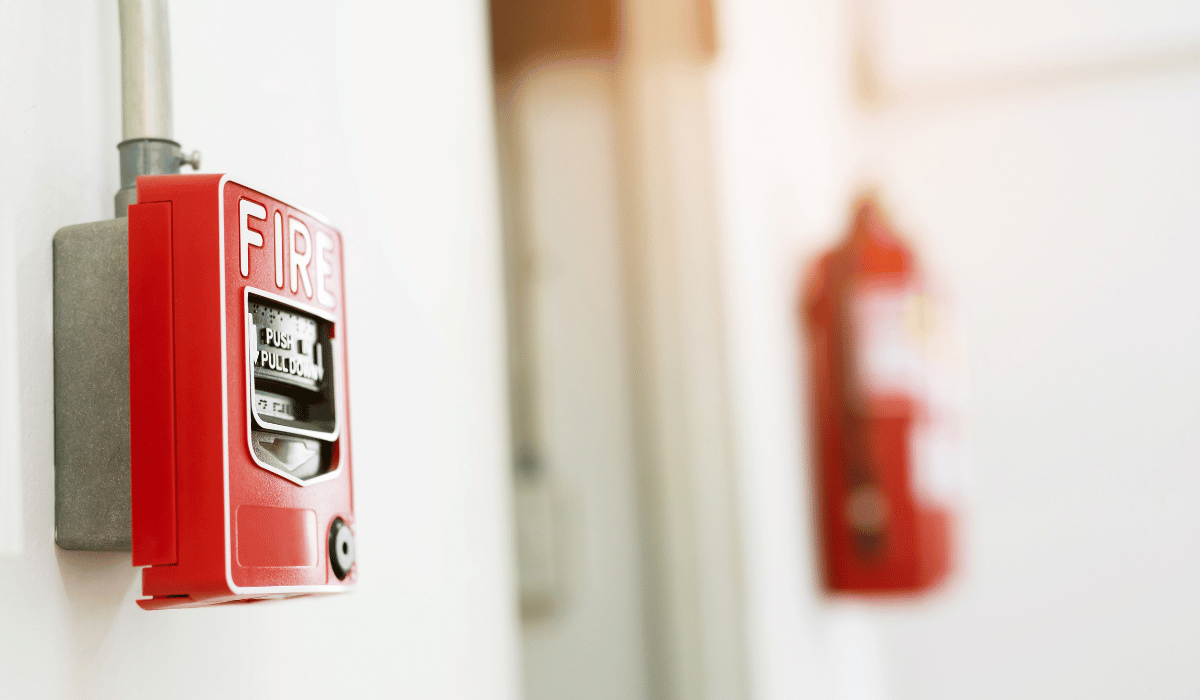
- A shared building fire alarm panel. A panel receives signals from connected devices. The approved system design determines which devices report to the panel and which areas receive an audible or visual alert.
- Off-site monitoring. A monitored system sends designated signals to a remote receiving service. Ask which signals it receives and how the fire department is notified. A panel on the property is only one part of the system.
What determines the requirements for a Massachusetts townhome?
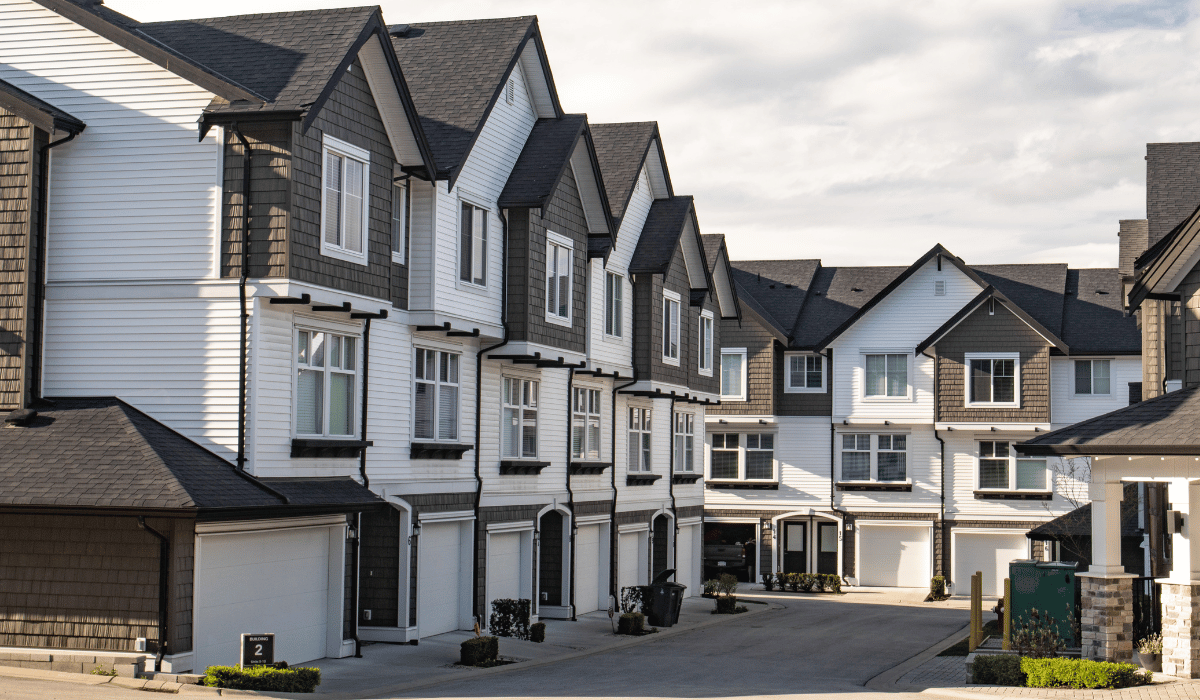
Massachusetts separates qualifying low-rise townhouses from buildings governed by its Base Building Code. The building’s code classification, original construction and permitted alterations can affect the requirements. An attached home with its own entrance can have alarms linked inside the dwelling. A unit in a development with common corridors or a shared garage may also be served by a building system. Ask the local building or fire official how the property is classified and which requirements apply. See the Massachusetts State Building Code and the Massachusetts Fire Code.
The residential model code Massachusetts uses as a base calls for interconnection when more than one smoke alarm is required within an individual dwelling under its smoke-alarm provisions. Existing buildings can have different requirements. Massachusetts fire-code Table 13.7A, for example, allows non-interconnected alarms inside the dwelling in specified pre-1975 one- and two-unit settings. Confirm the rules for the address before replacing equipment or changing how alarms connect. See 2021 IRC § R314 and 527 CMR 1.00, Table 13.7A.
How can owners and association boards verify the setup?
- Find the records. Ask for the approved plans, latest inspection or test report, and any current monitoring agreement. If a panel serves the property, ask which unit devices and common-area devices connect to it.
- Confirm who hears or receives an alert. Ask a qualified fire alarm contractor which areas are notified and whether a monitoring service receives signals. Confirm applicable requirements with your municipality. In Boston, the Fire Department’s fire alarm permitting guide covers new installations and changes to existing systems.
- Assign maintenance and explain the procedure to residents. Keep unit-alarm checks separate from contractor servicing of shared equipment. Massachusetts recommends testing household smoke alarms monthly. Tell residents how to report a fault and review the evacuation plan and meeting point with them. For related maintenance coordination and recordkeeping, see proactive property maintenance and condo and HOA management for boards.
Need help managing your properties? Green Ocean Property Management is more than just a property manager – we take care of everything so you can relax. Don’t waste time managing your property yourself. Contact Green Ocean Property Management today for a free consultation and see how we can give you peace of mind. If you rent out your townhome units, see our rental property management service for owners.
Not sure whether your building needs a local system or one wired to a central monitoring station? See The Difference Between Local and Central Fire Alarm Systems for a full breakdown.
Townhome and condo fire-safety questions like this come up constantly with association boards. See how Green Ocean’s condo & HOA management keeps your building’s life-safety systems compliant and your board out of the weeds.

Achieving a Smooth Lease Management Transition
Start a management transition with a handover register A smooth lease-management transition depends on complete records and clear responsibility. Set an agreed transfer date, identify an owner for each outstanding item and record anything that has not yet been received. The handover does not by itself change a resident’s lease or settle an…
Enhancing Property Security with Wireless Cameras
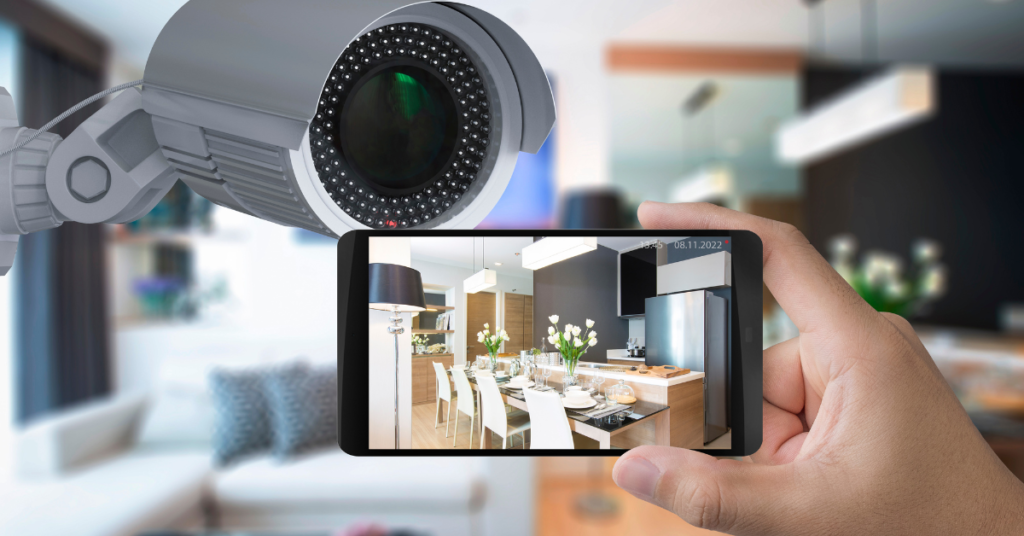
In today’s fast-paced world, ensuring the safety and security of your property has become more important than ever. Wireless cameras have emerged as a proactive solution for property owners, offering peace of mind and enhanced surveillance capabilities. At Green Ocean Property Management, we understand the value of advanced security measures, and in this article, we…

How to Conduct a Property Inspection and Why it’s Important
A good property inspection catches problems before they become expensive ones. Walk the exterior first, then the interior room by room, documenting everything with photos. Here’s the full checklist Green Ocean Property Management uses on every Boston rental. Why is Property Inspection Important? There are several reasons why property inspections are essential, including:…
4.9 stars on 1,000+ Google reviews. Managing Boston property since 1977.