
Tenant Screening Process for Boston Landlords: Step by Step
The single most important decision a landlord makes is not the paint color or the rent price — it is who gets the keys. Nonpayment of rent is the leading cause of eviction filings nationwide, and in Boston, where eviction timelines are costly and compliance requirements are strict, a disciplined tenant screening process is the…

The single most important decision a landlord makes is not the paint color or the rent price — it is who gets the keys. Nonpayment of rent is the leading cause of eviction filings nationwide, and in Boston, where eviction timelines are costly and compliance requirements are strict, a disciplined tenant screening process is the single highest-leverage thing a landlord can control. This guide walks through the process we use at Green Ocean Property Management, step by step, so you can protect your investment while treating every applicant fairly. That includes how to deny a tenant application fairly and how a landlord checks an applicant’s rental history.
Table of Contents
Why the Tenant Screening Process Matters
A single bad placement can erase a year of profit. Between lost rent, legal fees, turnover costs, and repairs, an eviction in Massachusetts can cost thousands of dollars and months of time. A consistent screening process reduces that risk by identifying applicants who can afford the rent, have a track record of paying it, and are likely to care for your property.
The Tenant Screening Process, Step by Step
1. Set Clear, Written Criteria First
Before you list the unit, define your standards in writing — minimum income (a common benchmark is roughly three times the monthly rent), credit expectations, rental history, and pet or occupancy rules. Decide these before you have an applicant in front of you, and apply them the same way to every one. Written criteria keep your decisions objective and consistent, which is essential for fair-housing compliance under both federal law and Massachusetts’ M.G.L. c. 151B. See our tenant screening criteria checklist for a ready-to-use standard.
2. Pre-Screen Inquiries
A few quick questions up front — desired move-in date, number of occupants, income range, and pets — save everyone time and focus your showings on qualified prospects. Watch for red flags at this stage too: missing contact information, no identity document, or an applicant who can’t meet for a scheduled viewing. These don’t automatically disqualify someone, but they’re worth clarifying before you move forward.
3. Collect a Complete Rental Application
Every adult who will live in the unit should submit an application with employment, income, rental history, and references. Require the same information from everyone — standardized forms remove bias and support fair-housing compliance.
4. Run a Credit and Financial Check
A credit report shows payment history, debt load, and any collections or judgments. You’re looking for patterns — late payments, high debt ratios, unpaid housing-related bills — not a single bad month. Massachusetts landlords are required to apply the same credit standards to every applicant.
5. Verify Income and Employment
Confirm income with pay stubs, an offer letter, or bank statements (two years of returns for self-employed applicants), and verify employment directly rather than taking a document at face value — cross-check it against a bank statement or call the employer. This is where you confirm the applicant can actually afford the rent, and where doctored documents tend to surface.
6. Check Rental History and Landlord References
Contact current and previous landlords — call the current one, not just the one listed first — and ask directly: would you rent to this person again? A prior landlord reference is often the single most useful five minutes in the whole process, covering payment habits and how the applicant cared for the property.
7. Review Background and Eviction History
Background and eviction checks add context, but federal guidance is clear that landlords shouldn’t automatically deny based on a criminal record — look at the relevance, severity, and timing of any offense, and apply the same standard to every applicant. Prior evictions tied to nonpayment or lease violations are particularly relevant in Boston’s tight rental market. For more on what a tenant background check service actually verifies, and on Massachusetts-specific rules for CORI and credit checks, see our guide to screening tenants legally in Massachusetts.
8. Make and Communicate the Decision
Approve, deny, or approve with conditions (such as a co-signer). If you deny based on a consumer report, federal law requires an adverse-action notice. Document every applicant’s screening result and the reason for the decision, tied back to your written criteria — consistency is your protection if a denial is ever questioned.
Fair Housing and Legal Compliance
Screening must comply with the federal Fair Housing Act, the Fair Credit Reporting Act (FCRA), and Massachusetts anti-discrimination law (M.G.L. c. 151B), which protect applicants from discrimination based on protected characteristics and govern how consumer reports are used. Apply the same written criteria to everyone, keep records, and follow adverse-action requirements.
This article is general information, not legal advice; consult a qualified attorney or the appropriate agency for your situation.
Two areas trip landlords up most often: the specific questions you’re allowed to ask (see tenant screening questions to avoid), and how to handle credit/CORI checks under Massachusetts law specifically (see how to screen tenants in Massachusetts, legally).
How Green Ocean Screens Tenants
Green Ocean Property Management applies a consistent, compliant screening process to every applicant across our 1,500+ managed units in Greater Boston — credit, income and employment verification, rental history, and background checks — so owners get qualified, well-matched tenants without the paperwork or the legal risk. We’d rather take an extra few days to place the right tenant than rush someone in and deal with a problem for the next 12 months. For our owners, this is built into the management fee, not an upsell. See our investment property management services.
Frequently Asked Questions
What is the tenant screening process?
It is the series of steps — application, credit check, income and employment verification, rental history, and background review — used to evaluate whether an applicant is qualified to rent a property.
Why is tenant screening especially important in Boston?
Boston’s rental market moves fast and eviction timelines are costly, so a weak screen shows up quickly as late rent, communication breakdowns, or a lease violation. Thorough screening reduces risk before a lease is signed and protects long-term rental income.
How long does tenant screening take?
With complete applications and responsive references, screening often takes one to three business days. Delays usually come from missing documents or unreachable prior landlords.
What income should a tenant have to qualify?
A common benchmark is monthly income of about three times the rent, but you should set and apply your own written standard consistently to all applicants.
Can a landlord deny an applicant based on a credit report?
Yes, if the criteria are applied consistently and lawfully. If you deny based on a consumer report, the FCRA requires you to provide an adverse-action notice.
Is tenant screening legally regulated?
Yes. It is governed by the Fair Housing Act, the FCRA, and state and local law, including Massachusetts M.G.L. c. 151B. Consistent, documented criteria are essential.
Protect Your Property With Professional Screening
Green Ocean Property Management handles tenant screening the right way — consistent, thorough, and compliant — for Boston-area owners. Get a fixed, flat-fee quote and let our team place qualified tenants for you.
Get My Rental Quote | See Our Pricing | Call (617) 487-4868
See how this fits into our tenant screening process for Green Ocean-managed properties.

Why Hire A Property Management Company in Boston
Boston’s real estate market is booming, offering property owners a promising landscape for investment. However, managing properties in this bustling city can be overwhelming for individual owners. That’s where a property management company steps in, making ownership much more manageable. Let’s explore the compelling reasons why hiring a property management company in Boston is a…

Lease Renewal Process – Explained
The lease renewal process in Massachusetts starts with the written lease—not a fixed statewide calendar. Owners and renters should check renewal options, notice clauses and the lease end date early enough to discuss proposed terms and complete any new agreement before the current term expires. Timing can vary by property and lease; a nine-month schedule…
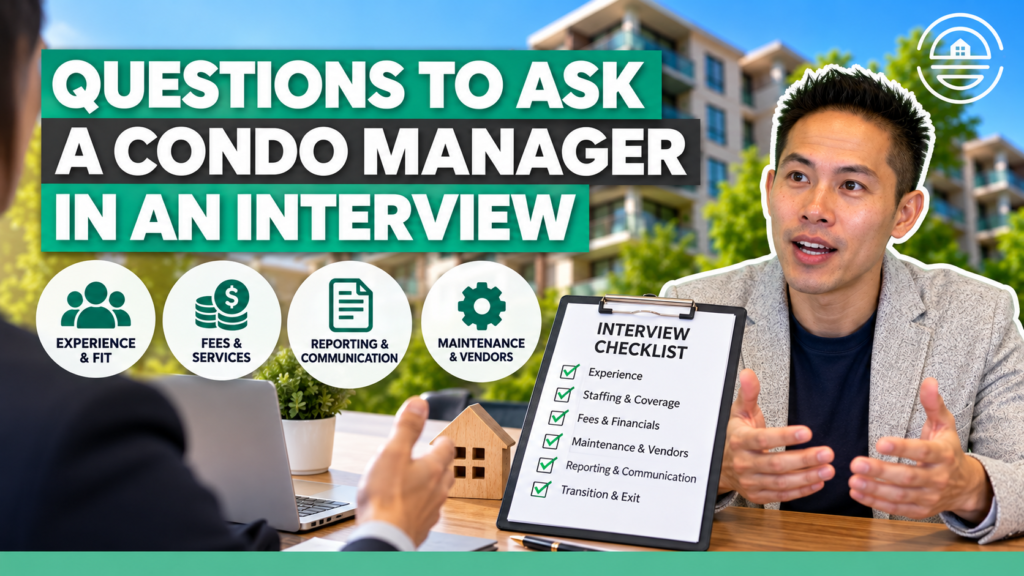
Questions to Ask a Condo Manager in an Interview
Interview every candidate with the same questions and score the answers. Boards that do this compare managers on substance, not on who presents best. Below are the questions to ask, grouped by topic, with what a strong answer sounds like. How to run the interview Send the questions in advance and ask for written answers…
Experience exceptional management and elevate your property with us