
Maximize Rental Profits by Converting Living Rooms
Converting living rooms into other versatile rooms is an effective use of living spaces that can maximize your profits. Today, we explain how we can turn a living room into another usable room. Room, as in “bedroom”? Notice that we did not use the word bedroom. It is because, in many…
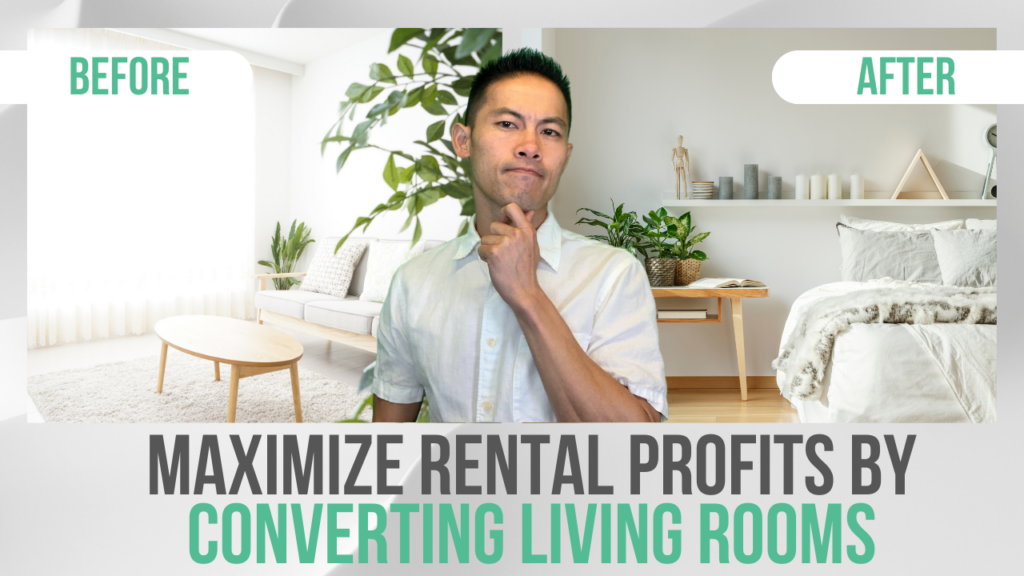
Converting living rooms into other versatile rooms is an effective use of living spaces that can maximize your profits. Today, we explain how we can turn a living room into another usable room.
Room, as in “bedroom”?
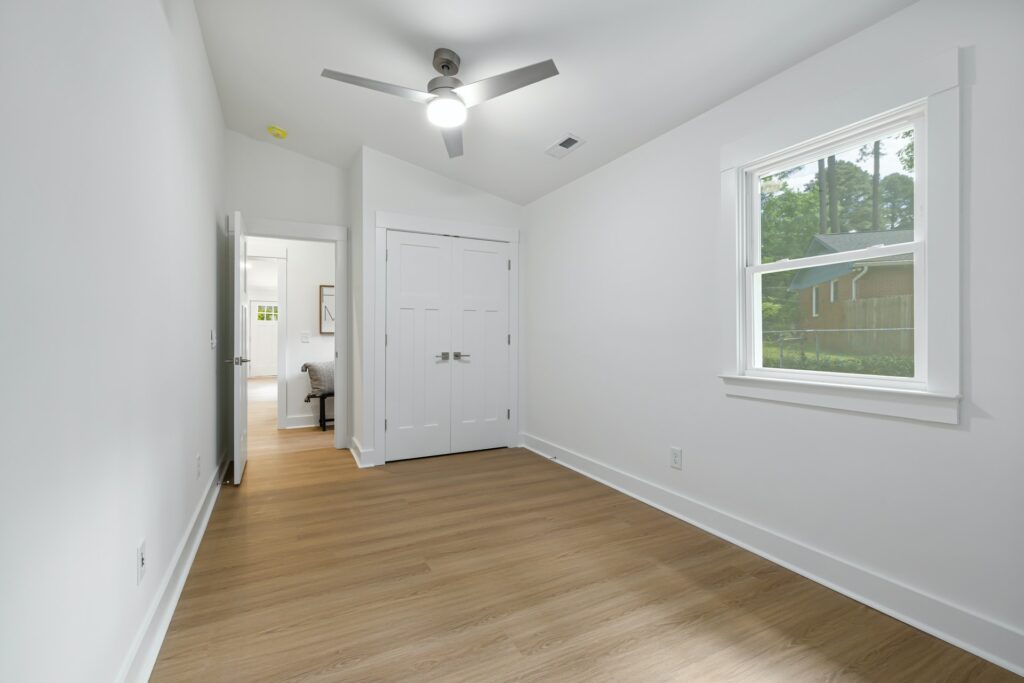
Notice that we did not use the word bedroom. It is because, in many municipalities and cities, it is illegal to turn any space into a bedroom without the approval of the city.
So what is a bedroom? The following are the basic requirements of a room that can be a bedroom:
- At least 70 square feet (7 by 10) – size
- Has a window that opens up to a certain degree (as a means of egress)
- Has a door (as a means of entrance and egress)
- Has a closet (can easily be added or removed)
How common is it for shared households to convert living rooms into bedrooms?
Turning a living room into a sleeping space isn’t just some rare hack—it’s actually pretty prevalent in shared housing situations. In fact, national surveys from SpareRoom show that more than 1 in 5 shared households have taken this step. With larger groups cohabitating (think three, four, or even five or more roommates), it’s a creative strategy that allows everyone to have their own private area—even if it means saying goodbye to the traditional living room. This trend reflects how renters are making every square foot count, especially in markets where housing costs run high and every room starts to look like opportunity.
Why Are More Young Professionals Turning Living Rooms Into Sleeping Spaces?
It’s no secret that rent prices in cities like Boston, San Francisco, and New York City have soared to levels that seem almost unreal. When housing costs eat up most of your paycheck, creative solutions naturally start to look a lot more appealing—and that’s exactly how the trend of sleeping in living rooms has gained traction among young professionals.
The Reality Behind the Trend
To put it simply, high demand and stagnant wages have made traditional bedrooms a premium commodity. The need to balance affordability with the desire to live near work or social hubs has led many renters to rethink what “private space” really means. Instead of seeking larger, more expensive apartments, more and more people are dividing up what they have—sometimes with temporary walls, bookcases, or curtains—to accommodate extra roommates in living rooms.
Surveys from platforms like SpareRoom highlight that it’s not uncommon for larger households to reimagine their floor plans. In fact, a sizable percentage now report converting living rooms into sleeping quarters, often to help split rent between more occupants and keep costs manageable.
Not Just a Couch—A Livable Room
It’s worth noting these aren’t your classic couch-surfing situations. With some resourcefulness, roommates are creating practical—even surprisingly comfortable—sleeping areas using room dividers or custom partitions. While privacy can be limited and these spaces may not meet the strict legal definition of a bedroom, the appeal lies in the ability to live more affordably without sacrificing location.
For many, this compromise makes it possible to access the career opportunities, nightlife, and convenient commutes that city living can offer—all without blowing their budget.
So, while it might seem unconventional at first glance, turning a shared living room into a semi-private bedroom has, out of necessity, become a normal part of the modern urban renting experience—especially for young professionals chasing both opportunity and affordability.
What does “prohibitively expensive” mean for housing?
When we describe housing as “prohibitively expensive,” we’re talking about costs reaching a level where many ordinary people simply can’t afford the basics. Rent isn’t just a luxury or optional expense—it’s a necessity, right up there with groceries and electricity. The term comes into play when prices climb so high that they actually block people from being able to secure suitable accommodation at all.
In practical terms, if you start seeing folks paying market-rate prices just for a spot in someone’s living room—rather than a proper bedroom or apartment—that’s a sure sign things have tipped into “prohibitive” territory. It reflects a market where even minimal or improvised spaces are out of reach for many, and where financial barriers make what should be a straightforward right—access to a roof over your head—feel more like a luxury.
What does renting out a room in your house actually mean?
When people talk about “renting out a room,” they often picture a simple arrangement—like splitting your Netflix account with your cousin. In reality, it’s a bit more official than just finding a roommate who leaves their laundry on your favorite chair. Renting out a room turns you into a landlord, not just someone sharing space.
Here’s what that actually looks like:
- A formal agreement: Unlike a casual roommate arrangement, you’ll need a proper lease or rental agreement. This sets clear expectations on rent, rules, and responsibilities for everyone involved (and keeps you out of small claims court).
- Landlord-tenant laws apply: You are not just swapping chores or utilities—you’re entering a legal relationship. It means you should be familiar with your city’s and state’s landlord-tenant regulations. These cover issues like eviction, deposits, repairs, and more. Think less “roomie drama” and more “keeping everything above board.”
- Collecting rent: You’ll collect rent payments regularly, track them properly, and possibly report the income (yes, even to the IRS). You’re running a mini rental business in your own home.
And it doesn’t stop there:
- Understand your local laws: Landlord-tenant regulations can vary wildly by state, county, or even city. Some places require you to register your rental or have your property officially inspected before a tenant moves in. You’ll want to check if your local regulations or Fair Housing laws set any special requirements—especially to avoid landing in legal hot water.
- Mortgage and HOA rules: Before you start rearranging the guest towels, be sure your mortgage agreement or Homeowners Association (HOA) allows you to rent out part of your home. There may be occupancy limits or restrictions that could throw a wrench in your plans.
Bottom line: Renting out a room is less like inviting a friend to crash and more like launching a side business—complete with paperwork, rules, and the occasional government form. But handle the details right, and it can be a smooth, profitable upgrade to your living space.
So, is it the same as inviting your friend to crash for a few months? Not quite. Renting out a room means taking on some real responsibilities, setting clear boundaries, and keeping everything transparent for both you and your renter.
And if you’re still on the fence, remember that it’s always better to lay out the ground rules first than sort out disputes later—especially when you have to see your “tenant” at the breakfast table.
Why are people paying to sleep in living rooms?
Let’s talk about why more and more folks are calling the living room their “bedroom”—it’s not just a quirky trend or a college flashback. The main culprit? Rising rent prices that outpace what most of us actually earn (thanks a lot, inflation). In cities like Boston, New York, and San Francisco, rent has reached levels that would make your grandmother faint, and wages just haven’t kept up with the sticker shock.
When the monthly rent for an “official” bedroom climbs sky-high, people start thinking creatively. Enter: the living room. By dividing up common areas, roommates can add extra sleepers and share the cost, making life in expensive zip codes even remotely affordable. It’s better to sleep behind a curtain or barn door than sign over your entire paycheck to your landlord—or, worse, skip town entirely.
Recent figures back this up. Studies show that in shared housing, it’s not rare for three, four, or even five people to split the space. In fact, nearly a quarter of shared households have transformed their living room into a bedroom just to keep a roof over everyone’s heads.
It’s less about craving open-concept living, and more about necessity. When rent eats up half your income, sharing every spare square foot can be the difference between living in your favorite city—or not living there at all.
How rising rents and stagnant wages are reshaping living arrangements
As rents continue their relentless climb in cities like New York, Boston, and San Francisco (and honestly, just about everywhere with decent bagels), finding affordable housing has become more of an Olympic sport than a standard adult milestone. Paychecks aren’t stretching like they used to, and the cost of simply keeping a roof over your head feels…well, “prohibitively” high—a word normally reserved for luxury vehicles, not a place to sleep. Yet here we are.
So, what’s happening as a result? Creative, often unconventional, living arrangements are now the new normal. Households with three or more roommates are becoming increasingly common, and—perhaps most tellingly—living rooms are being pressed into service as makeshift bedrooms. One recent SpareRoom study showed that over one-fifth of shared households have turned their living room into sleeping quarters, just to fit everyone in.
These aren’t just folks crashing on a sofa for a weekend. We’re talking about outfitting living spaces with temporary walls, clever IKEA partitions, and a healthy dose of compromise. If you peek inside these apartments—think classic Manhattan shoe box or that cozy triple-decker in Cambridge—you’re likely to find new “bedrooms” sectioned off by walls that might not reach the ceiling and offer little more privacy than a folding screen in an ER.
This shift isn’t just quirky; it’s a somber reflection of an era where young professionals (with perfectly respectable jobs) are forced to share tiny spaces and redefine what “home” means, just to afford their commutes. Floor plans have become flexible blueprints, and “bedroom” is now more about function than real estate listing accuracy.
In short, the skyrocketing cost of rent isn’t just nudging folks toward creative solutions—it’s making them a necessity. And if you thought sharing a bathroom was a test of patience, try sharing a “bedroom” partitioned off in your former living room, with all the ambient sound of your favorite diner.
The upside, if there is one: adaptability and resourcefulness have never been more essential—and tenants are making it work, noise, small talk, and all.
What do recent studies reveal about the makeup of shared households?
Recent research—like the kind conducted by SpareRoom—paints an interesting picture of today’s shared living situations. More than half of shared households are made up of three or more people. In fact, in some cases, you’ll find five or more roommates all calling the same space home. And here’s where things get creative: nearly a quarter of these households have decided that if there isn’t enough room, they’ll just make some. One of the most popular strategies? Converting the living room into an extra bedroom to squeeze everyone in.
This means that, far from being rare, transforming common areas into sleeping quarters has become almost a rite of passage in today’s rental landscape—especially in cities where space is tight and affordability is the name of the game.
Can all living rooms be converted into a bedroom?
Living rooms often have no doors, so you cannot use them as a bedroom. So what we will do is build barn doors. These are an excellent, modern way of turning a living room into a bedroom. Barn doors are also very affordable. The materials are only a few hundred dollars, such as the track and doorknobs. It adds versatility, so you can choose to convert the living room as a bedroom or additional space that we did not use the word bedroom. It is because, in many municipalities and cities, it is illegal to turn any space into a bedroom without the approval of the city.
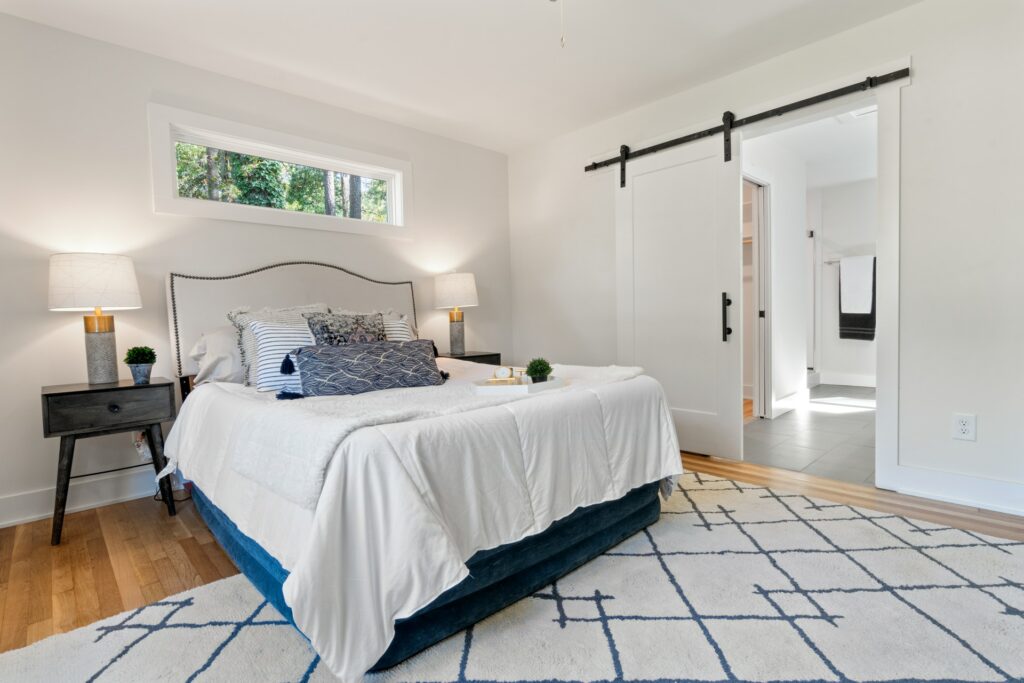
For example, you have a two-bedroom property with a dining room. Normally, that might rent in the Allston-Brighton area for $2200 to $2300. We can convert the dining room into another usable room by just adding a barn door as well as a potential closet. You can rent out that additional room. You still have all the living room, but turning a formal dining room into this other room can mean a $500 to $600 increase in rental profit per month.
But before you set your sights on that extra income, it’s important to carefully determine how much to charge for the new setup. Here are a few tips to help you land on a fair and competitive price:
- Calculate your operating expenses: Add up your monthly mortgage, utilities, insurance, and any extra costs that come with another occupant. Make sure your rent covers these, so you’re not losing money on your new “mini rental business.”
- Look at local comps: Check what similar rooms or units are renting for in your specific neighborhood—focus on square footage, amenities, and whether utilities are included. The Allston-Brighton rental market, for example, can fluctuate quite a bit depending on proximity to colleges, public transit, and trendy coffee shops.
- Watch for seasonality: Rent prices often spike in the summer and dip in the winter. If you’re listing when the market is slow, be strategic about your asking price (or sweeten the deal with utilities or parking).
- Keep an eye on trends: Even if your area is hot right now, peek at year-over-year trends to avoid overpricing—or underpricing—your new room.
By taking these practical steps, you’re more likely to set a price that attracts good tenants while maximizing your monthly returns.
Time to talk numbers—not quite as fun as picking out barn doors, but crucial if you want to set the right rent. Figuring out what to charge for your newly created room involves a few smart moves (and maybe a bit of digital sleuthing).
Start by checking out rental listings in your neighborhood—peek at Zillow, Craigslist, or Apartments.com for rooms similar in size and features to yours. Pay attention to things like square footage, access to shared spaces, amenities (think laundry, parking, A/C), and whether utilities are included. If your extra room comes with perks like a private bathroom or a killer city view, that can nudge your rent a bit higher.
Don’t forget seasonality. Demand tends to spike in the summer and dip during the winter, so factor that into your pricing. It’s also wise to look at both overall city trends and what’s happening in your specific ZIP code—sometimes prices are climbing in Boston, but flatlining in Brighton.
Finally, tally up your own expenses (mortgage, insurance, utilities, and any renovation costs) to make sure the rent covers the basics and still leaves you with some profit. Your goal is to be competitive enough to attract good tenants, but smart enough to keep your investment worthwhile.
What should you keep in mind before renting out a room?
Before you jump into turning that extra space into a rental, it’s important to take a step back and evaluate a few key details—trust us, it pays off in the long run.
- Space and comfort: Is your home (and lifestyle) ready for another person? If your kitchen or common areas are already a squeeze, adding a new roommate could make daily life feel even tighter for everyone involved.
- Other household members: Whether you’re living with family, a partner, or just a couple of enthusiastic houseplants, don’t forget to check in. Everyone’s comfort matters, and a quick conversation up front can save a lot of headaches down the road.
- Your boundaries: Think about what you are (and aren’t) comfortable sharing. Renting out a room often means some compromise when it comes to privacy—so set ground rules early, especially if you want to keep certain spaces just for yourself.
Preparing Your Home for a Renter
Once you’ve decided to move forward, take the time to get both the room and the rest of your home ready for a new occupant. A little effort up front goes a long way toward happier housemates and fewer issues down the line.
- Make the space inviting: Patch up any holes, refresh the paint, and consider updating flooring if needed. Adding closet organizers or extra storage can make the space much more appealing.
- Ensure habitability: The room should be suitable for sleeping and living, with proper heating, ventilation, and access to common areas. Check that the entire house meets local codes and safety standards—think smoke detectors, locks, and egress windows where required.
- Deep cleaning: Give the room and shared spaces a thorough scrub before showings. If you want to go the extra mile, schedule a pest inspection or even a third-party property check to catch any lingering maintenance issues.
A few more questions to ask yourself before you stick that ‘Room for Rent’ sign on the lawn:
- Is the space you’re offering truly available, or will sharing it make both you and your tenant feel cramped and uncomfortable?
- Are you personally comfortable with the arrangement? If the thought of someone else borrowing your blender (or Netflix password) gives you hives, it may be worth reconsidering.
- Will your lifestyle mesh well with someone else’s habits, routines, and quirks? Sometimes, the little things—like who gets first dibs on the shower—can make all the difference.
Take a moment to consider all these factors. A little planning ahead ensures your home stays a haven—for you, your housemates, and anyone new who moves in.
How should you screen potential applicants to ensure they are reliable tenants?
Screening applicants isn’t just for big apartment buildings—it’s just as crucial when you’re opening your home to someone new. You want to make sure the person you choose is not only financially responsible but also a good fit for your household.
Here’s how you can approach it:
- Check references: Start by reaching out to previous landlords (if your applicant has rented before). Ask if rent was paid on time, how the tenant treated the property, and if they’d rent to them again. Even a quick chat can be revealing.
- Run a background check (where allowed): Many services—with options like TransUnion, Equifax, or Experian—let you request criminal background, eviction history, and credit reports (just be sure to get your applicant’s written permission first and check your state’s rules). This helps you verify financial reliability and spot any major red flags.
- Look for stable income: Ask for proof of income, such as recent pay stubs or employment verification. A good rule of thumb is that monthly income should be at least two to three times the rent.
- Trust your gut—after due diligence: Beyond the paperwork, meet in person (or virtually) and get a sense of their communication style, lifestyle, and whether they’d mesh with the rest of the household.
Just remember: Consistency keeps things fair and above board. Apply the same screening steps for every applicant so your process stays objective (and avoids any accidental discrimination).
With a bit of proactive vetting, you’re more likely to find someone who pays on time, respects the space, and makes sharing your home a lot more enjoyable.
What questions should you ask potential renters during the pre-screening process?
Before inviting someone over for a tour (or, let’s be honest, sharing your WiFi password), it’s smart to do a quick pre-screening. This can save you both time and awkward situations. Whether by email, an online form, or a friendly phone chat, here are a few must-ask questions to help you spot any red flags right away:
- Why are you looking to move? Their answer will often tell you a lot about their timeline and motivation.
- When would you like to move in? Make sure their preferred dates align with your availability.
- What’s your monthly income? You want to be certain they’re financially able to keep up with the rent.
- Can you provide references from previous landlords? Reliable renters almost always say yes here.
- Do you have any pets—or hope to add to your furry family soon? Best to clarify your pet policy now rather than later.
- Are you comfortable with a credit and background check? It’s standard landlord stuff—serious renters will understand.
Think of this as your first “vibe check.” The goal is to ensure you’re only considering applicants who’d be a good fit for your home—saving everyone a headache down the road.
What screening criteria should you establish for potential renters?
Now let’s talk about one of the most important (and often overlooked) steps: choosing the right person to share your home. You’re not just looking for any renter—you’re choosing a housemate you’ll actually want to see in the kitchen on Monday mornings.
To set yourself up for success, take a little time to create your own screening criteria. Here are some key things you’ll want to check:
- Reliable finances: Look for applicants with steady income and a track record of paying bills on time (think: at least a 650+ credit score, or references to back up their reliability).
- Rental history: Ask about their experiences as a renter. Have they taken good care of past places? Did they get along with previous landlords or roommates? A quick call to a former landlord can reveal a lot.
- Clean background: Delicate but important—check for any prior evictions or concerning incidents. This helps ensure your home stays a safe and comfortable place.
- Pets (and other deal breakers): If you have a “no pets” policy or other non-negotiables, clarify these upfront to avoid any surprises.
- Communication: Gauge how responsive and considerate they are during the application process. Good communication early on usually means fewer headaches later.
Setting clear screening standards helps weed out drama before it starts—and gives you serious peace of mind before handing over that spare house key.
What insurance considerations are there when renting out a room in your home?
Before you hand over a set of keys, take a quick look at your insurance situation—you don’t want to be caught off guard if something unexpected happens. Not all standard homeowners policies provide protection when you’re renting out a room, and some carriers consider this a “business activity.”
Here’s what you should do to stay covered:
- Contact your insurance provider: Give your agent a call and let them know you’re planning to welcome a tenant. Every company (think: Liberty Mutual, Allstate, State Farm, or your local favorite) has its own rules and requirements about in-home rentals.
- Consider landlord insurance: Your provider may recommend adding landlord or “rental dwelling” coverage. This upgrade typically gives extra protection for things like property damage, liability issues if someone gets hurt, or even lost rental income if your place needs repairs.
- Check tenant requirements: Some landlords ask tenants to carry their own renters insurance—which helps cover the tenant’s belongings and can serve as an extra layer of liability protection.
A quick call now could save you from headaches (and out-of-pocket expenses) later. Making sure your insurance matches your new role as “mini-landlord” keeps you, your investment, and your future rental income protected.
Will renting out a room affect your mortgage or HOA?
Before you hand over those keys, take a quick detour into the fine print of your mortgage and any Homeowners Association (HOA) rules. Some lenders have restrictions on renting out part of your home, especially if you’re still living there, while others may require you to formally notify them before bringing in a tenant. It’s also common for HOAs to set limits on the number of unrelated occupants, or even ban rentals altogether. Skipping this step can lead to unexpected headaches, fines, or—in the worst case—issues with your loan. Double-check with both your mortgage provider and your HOA, if you have one, to make sure your room rental plans won’t cause any hiccups.
What to Include in a Room Rental Lease Agreement
Once you’ve identified the right applicant and are ready to move forward, it’s time to put everything in writing. A strong room rental lease agreement protects both you and your new occupant—laying out everyone’s rights, responsibilities, and the house rules upfront.
Here are the essential items you’ll want to address in your lease agreement:
- Lease duration: Spell out the exact start and end dates.
- Rent details: Clearly state the monthly rent, when it’s due, how payment should be made, and what late fees (if any) apply.
- Security deposit: Indicate how much you require and under what conditions it will be returned.
- Utilities: Specify which utilities, if any, are included in the rent, and clarify how any shared utility costs will be split.
- Pet policy: Write out whether pets are allowed in the space, including any restrictions or additional deposits. (Don’t forget that service animals are a separate matter!)
- Shared spaces: Establish ground rules for using common areas like the kitchen, laundry, and living room—think cleanliness, quiet hours, and guest limits.
- Maintenance responsibilities: Note who takes care of what—for example, whether the renter is expected to handle routine cleaning or minor repairs.
- Other house rules: Anything else unique to your situation, from parking instructions to where to receive mail.
Be thorough: every rental agreement is a legally binding contract. Take the time to review it carefully for compliance with Massachusetts (or your local) landlord-tenant laws. A little extra attention now will prevent headaches later on.
What are the pros and cons of renting out a room in your house?
Just because you can turn that living room into a usable space doesn’t mean you shouldn’t pause and weigh the trade-offs. Renting out a room—whether it’s a formal bedroom or a clever barn-door conversion—may sound like easy income, but before you start drawing up the lease, let’s talk big-picture.
Perks of Renting Out a Room
- Extra Cash Flow: The most obvious benefit—more money in your pocket each month that can offset your mortgage, pay for renovations, or finally fund that dream trip to Italy.
- Optimized Space Usage: Instead of letting a dining room gather dust, you’re getting more value out of every square foot.
- Flexible Arrangements: You’re the boss when it comes to lease length. Go short-term, long-term, or somewhere in between to suit your needs.
- Tax Benefits: Uncle Sam might give you some relief in the form of deductions for rental expenses like repairs and utilities (just keep those receipts!).
- Potential Property Gains: A well-utilized property can look more appealing to future buyers if you ever decide to sell.
Downsides to Consider
- Reduced Privacy: There’s no sugarcoating this—sharing your living space means sacrificing a bit of solitude. Your Netflix marathons might not be so solo anymore.
- Risk of Disagreements: Even the best tenant screening can’t guarantee you won’t butt heads over noise, cleaning, or missing leftovers.
- Time and Effort: Screening good tenants, drafting a lease, and prepping the space takes some legwork up front—not to mention ongoing management.
- Compliance and Red Tape: You’ll need to make sure your rental meets all legal standards, from permits (think back to that bedroom definition) to safety codes.
- Upkeep Responsibilities: Any leaky faucets or heating hiccups that crop up are on your plate as the landlord.
All in all, renting out a room can be a savvy move, but it’s not without its quirks and responsibilities. If you plan proactively (with or without the help of a barn door), you’ll be better prepared to enjoy the perks—and sidestep the pitfalls.
Real-World Ingenuity: Creative Room Setups in Pricey Cities
Take, for example, a group of renters in Boston who weren’t fazed by sky-high rents and a shortage of traditional bedrooms. Rather than give up, they got creative—transforming a single living room into two makeshift bedrooms using a strategically placed T-shaped partition. Sure, it wasn’t the Plaza Hotel—city construction codes meant the walls couldn’t reach the ceiling, so privacy was more of a theory than a reality. Still, by carving out their own corners (and relabeling the remaining area as “communal dining”), these roommates managed to keep costs down and the lease signed.
This kind of room optimization might not come with soundproofing or mood lighting, but it’s a testament to how far a little ingenuity (plus some patience and maybe a white noise machine) can stretch a limited budget in cities where every square foot has a premium.
Why Bother Pre-Screening Potential Renters?
Before you hand over the keys—or even before you start picturing your future roomie’s mug on the other side of the coffee maker—it’s worth taking a moment to pre-screen your interested renters. Think of it as the first line of defense against mismatched expectations, awkward conversations, and wasted weekends giving tours to people who aren’t really a fit.
Here’s the reality: not every interested party is ready (or able) to sign on the dotted line. Some might have moving timelines that don’t match your availability; others might not meet your income requirements or could be allergic to your beloved tabby cat. Pre-screening saves you time, spares you hassle, and gives you a head-start on finding a tenant who’ll actually mesh with your space—and your ground rules.
How to Pre-Screen Smartly
You don’t need a private investigator’s toolkit. A quick, friendly email or phone conversation can work wonders. Here are some key questions to cover:
- What’s bringing you to look for a new place? This gets to motivation and can reveal potential red flags (or enthusiastic green flags).
- When do you want to move in? Timing is everything—make sure your availability lines up.
- What’s your approximate monthly income? No need for pay stubs just yet, but it’s smart to check for a comfortable rent-to-income ratio up front.
- Can you provide references from past landlords? Bonus points if they gush about your potential tenant.
- Do you have (or plan to get) pets? If your space isn’t pet-friendly, better to know now.
- Are you comfortable with a credit and background check? This is standard stuff, but confirming willingness avoids surprises later.
Knock out these basics early, and you’ll streamline the whole process—leaving more time to focus on the renters who are actually a strong fit for your home (barn door and all!).
How is rental income from a room taxed?
Once you’ve successfully rented out an extra room—perhaps after installing that barn door and turning your dining room into a gold mine—don’t forget about Uncle Sam. All rental income you receive must be reported on your taxes. This includes not only the regular rent payments but also other amounts your tenant pays, such as security deposits you end up keeping, upfront move-in fees, pet fees, or even charges for parking and utilities (if they’re paid separately by the tenant).
You’ll want to keep accurate records of every dollar that comes in and goes out. Luckily, tax law allows you to deduct many of the costs associated with renting out a room. Here are some common expenses you can track and potentially write off:
- Repairs and maintenance (think: fixing up that squeaky barn door)
- A portion of your mortgage interest, utilities, and insurance (usually based on the percentage of your home being rented)
- Advertising and leasing costs
- Cleaning and supplies for the rented room
- Property management fees, if you use a service
Be sure to save receipts, leases, and documentation for all income and expenses. When tax season rolls around, this paperwork will make your (or your accountant’s) life much easier. And with new IRS requirements like the 1099 form for landlords, it’s even more important to stay organized and compliant.
Keeping Track of Income and Expenses
Renting out a room is more than just finding a tenant—it’s also about keeping your finances straight. The money you collect from rent, along with those little extras like utility contributions or pet fees, all need to be properly documented. This isn’t just good practice; it can save you a world of headaches when tax season rolls around.
Here’s how you can stay organized:
- Record all rent payments each month—don’t just check your bank statement and call it a day. Have a spreadsheet or ledger where you can actually see who has paid, when, and how much.
- Log upfront costs such as security deposits or move-in fees. These add up, and you’ll want a clear record in case there’s ever a question down the line.
- Track recurring charges like utilities, parking, or any extra monthly fees. Even if it’s only five bucks for a pet, jot it down.
- Note any late fees you collect so you have a full, accurate picture of what’s coming in—and when.
If you want to make things a bit easier, tools like QuickBooks, Wave, or even a well-crafted Excel sheet can help streamline the process. Keeping digital records allows you to export everything effortlessly for your accountant, especially with new IRS reporting requirements.
And remember: any income you earn from renting a room is generally taxable, but you may be able to write off a portion of related expenses—like repairs or a share of your property taxes. Keeping your paperwork tidy throughout the year makes this whole process a lot less stressful come April.
How to List Your Room for Rent—and What to Include
Now that you’ve added that versatile, barn-doored room, it’s time to share your listing with the world. When listing a room for rent, think of it as storytelling—except instead of dragons or fairy godmothers, you’re describing square footage, sunlight, and maybe the occasional closet upgrade.
Be upfront in your description that you’re listing a room or interior space, not the entire apartment or home. This helps manage expectations right from the start and filters inquiries from people seeking the whole castle, not just a turret.
Be as specific and detailed as possible. Here’s what to include:
- Type of space: Specify if it’s a living room conversion, traditional bedroom, or bonus room.
- Key features: Mention any additions—like barn doors for privacy, newly added closet, and total square footage of the room.
- Shared amenities: List things like kitchen, bathrooms, laundry, parking, and any outdoor space that tenants can access.
- Utilities and Wi-Fi: Clearly state what’s included in the rent and whether utilities or internet are shared.
- Neighborhood highlights: Mention nearby hotspots, public transport, grocery stores, or anything unique about the area—whether you’re nestled in Allston-Brighton or beyond.
- House rules: Share any rules relevant to the household, such as pet policies, smoking, or quiet hours.
- Photos: Quality images, especially of the room with that spiffy barn door, living area, kitchen, and curb appeal shots, will go a long way.
Share your listing across major rental platforms like Realtor.com®, Zillow, Trulia, Apartments.com, and Craigslist. The more eyes, the merrier—and the higher your chances of finding a reliable tenant who appreciates your space (and your clever use of doors).
Once published, be prompt in responding to inquiries and offer flexible times for showings. This not only shows professionalism, but also builds trust—making your property stand out in a busy market.
When a prospective tenant passes your initial screening, it’s showtime—literally. Schedule an in-person showing and make sure the space is sparkling clean (yes, even the corners you think no one notices). Walk them through not just the room, but also the shared spaces, so they can truly imagine themselves living there.
Take this opportunity to set expectations. Outline any house rules—like quiet hours, pet policies, or where the best takeout menus are stashed—so there are no surprises later. Transparency up front means fewer headaches down the road, and helps both you and your future roommate decide if it’s truly a good match.
What Do These Trends Mean for Renters Chasing Affordability?
So, what’s the big picture for renters looking to stay near city jobs without blowing the budget? As rent prices climb and wages lag behind, the creative use of space—like transforming your living room with a barn door or a clever partition—is quickly becoming more than a trend; it’s a lifeline.
Here’s what these shifts reveal:
- Changing Expectations: For many, the idea of personal space has adjusted. What used to be considered “just a living room” is now fair game for a private bedroom setup—proving that flexibility is an invaluable tool in today’s market.
- More Roommates, Shared Costs: The rise in multi-roommate households (sometimes three, four, or even five strong) reflects the urgent need to split housing costs. That means you’re sharing not only your morning coffee rituals, but also utilities, chores, and maybe the remote.
- Surge in DIY Solutions: Tenants and landlords alike are prioritizing upgrades that make unconventional rooms feel more livable—think privacy walls, extra closets, or multifunctional spaces. These hacks don’t just make the space work; they maximize its value and appeal.
- Neighboring Matters More: As affordability squeezes people into cozier quarters, proximity to work, public transit, and local amenities becomes even more critical. Being close to the action often justifies smaller, shared living spaces, so details like walkable grocery stores or reliable T access hold extra weight in your listing.
- Redefining “Normal”: What used to feel like an unusual living arrangement—say, sleeping in a creatively walled-off living room—has become mainstream for young professionals and students alike. It’s a new type of “normal” that prioritizes location and affordability over traditional square footage.
In short, these trends underscore the need to adapt—both in how we present our spaces and in what renters are willing to call home.
By embracing a bit of ingenuity and transparency, both landlords and tenants can find workable solutions in a tight housing market—often just a sliding barn door away from affordable city living.
Our commitment
So if you or anyone else you know is looking for a proactive property manager to help guide you through how to best use your space such as converting living rooms to maximize your rental profits, please think of Green Ocean Property Management: where you get more than a property manager, you get peace of mind.

How to Find a Budget-Friendly Property Management Company in Boston
Reading Time: 3 minutes Finding the perfect budget-friendly property management company in Boston might seem challenging, but with the right approach, you can ensure your properties are well-managed without breaking the bank. In this article, we’ll share valuable tips to help you find the ideal property management company that aligns with your budget and needs….

Hiver for Gmail, Explained
Fast and open communication has always been our top commitment. We keep it that way within our company and, most importantly, towards our partners and clients. Today, our CEO Jarrett Lau shows you how we do that with Hiver, the world’s 1st Gmail-based Helpdesk. With it, our entire team is always only one click…

The 10 Best Financial Reporting Software Tools for Property Managers
Managing properties is a juggling act. You’re keeping tenants happy, responding to maintenance requests, and making sure everything runs smoothly. But when it comes to financial reports, those trusty spreadsheets can turn into a nightmare. Endless rows of numbers, manual data entry, and the constant fear of errors – it’s enough to make any property…
Experience exceptional management and elevate your property with us