
Security Deposits: Legalities and Best Practices for Handling Tenant Deposits
Security deposits are a crucial part of the rental landscape, providing financial protection for both landlords and tenants. However, navigating the legalities and best practices surrounding security deposits can sometimes lead to misunderstandings. This article explores the legal framework, best practices for landlords and tenants, and how clear communication and documentation can ensure a smooth…
Security deposits are a crucial part of the rental landscape, providing financial protection for both landlords and tenants. However, navigating the legalities and best practices surrounding security deposits can sometimes lead to misunderstandings. This article explores the legal framework, best practices for landlords and tenants, and how clear communication and documentation can ensure a smooth process.
Table of Contents
Understanding the Legal Landscape
The world of security deposits is governed by a complex web of federal and state laws. While there are no federal regulations on security deposits, most states have established guidelines that dictate the maximum amount a landlord can charge, acceptable uses of the deposit, and the timeframe for returning it to the tenant after move-out.
To ensure compliance, it’s essential to research your state’s specific security deposit laws. Resources like [state tenant landlord handbook] or local landlord-tenant organizations can provide valuable guidance.
Best Practices for Landlords

- Setting the Deposit Amount:
Landlords should adhere to state or local limits on security deposits. They can also consider factors like the monthly rent and property type when determining a reasonable amount. - Collecting the Deposit: It’s advisable to collect the security deposit at lease signing and provide a detailed receipt outlining the amount, date, and purpose of the deposit. Acceptable forms of payment can include cash, certified checks, or money orders to minimize the risk of bounced checks. Electronic payments can also be a convenient option for both parties.
- Move-In and Move-Out Inspections:
Conducting thorough inspections with detailed documentation (photos and checklists) is crucial. Landlords should note any pre-existing damage before the tenant moves in to avoid disputes later. - Returning the Deposit:
Timely returns are essential. Landlords must follow the legal timeframe dictated by their state. If deductions are made for repairs or cleaning, they should be clearly itemized with receipts for the work performed.
Best Practices for Tenants

Tenants should:
- Understand their rights regarding security deposits according to their state’s laws.
- Request a move-in inspection and document the property’s condition with photos and checklists.
- Maintain the property in good condition throughout their tenancy according to the lease agreement.
- Provide a forwarding address to ensure a smooth return of the deposit.
- Follow legal procedures to contest deductions they believe are unfair.
Communication and Documentation are Key
Clear communication and thorough documentation are vital throughout the tenancy, especially regarding security deposits. By understanding the legalities and following best practices, both landlords and tenants can navigate the security deposit process effectively and minimize the potential for disputes.
At Green Ocean Property Management, we understand the importance of clear communication and following proper procedures when handling security deposits. Our team of experienced property managers is well-versed in state and local security deposit laws. We can guide you through the process, ensuring a smooth and stress-free experience for both landlords and tenants.
Contact Green Ocean Property Management today to learn more about our comprehensive property management services. We can help you navigate the complexities of security deposits and ensure a successful rental experience.

How to Conduct a Property Inspection and Why it’s Important
A good property inspection catches problems before they become expensive ones. Walk the exterior first, then the interior room by room, documenting everything with photos. Here’s the full checklist Green Ocean Property Management uses on every Boston rental. Why is Property Inspection Important? There are several reasons why property inspections are essential, including:…

How We Deal With Fallen Trees
Fallen trees are a hazard and should be dealt with the soonest as possible. In this article, we explain how we act quickly and thoroughly on fallen trees before they cause further damage to your property. Fallen Trees in Massachusetts It is very, very dangerous to be around fallen trees in Massachusetts. We…
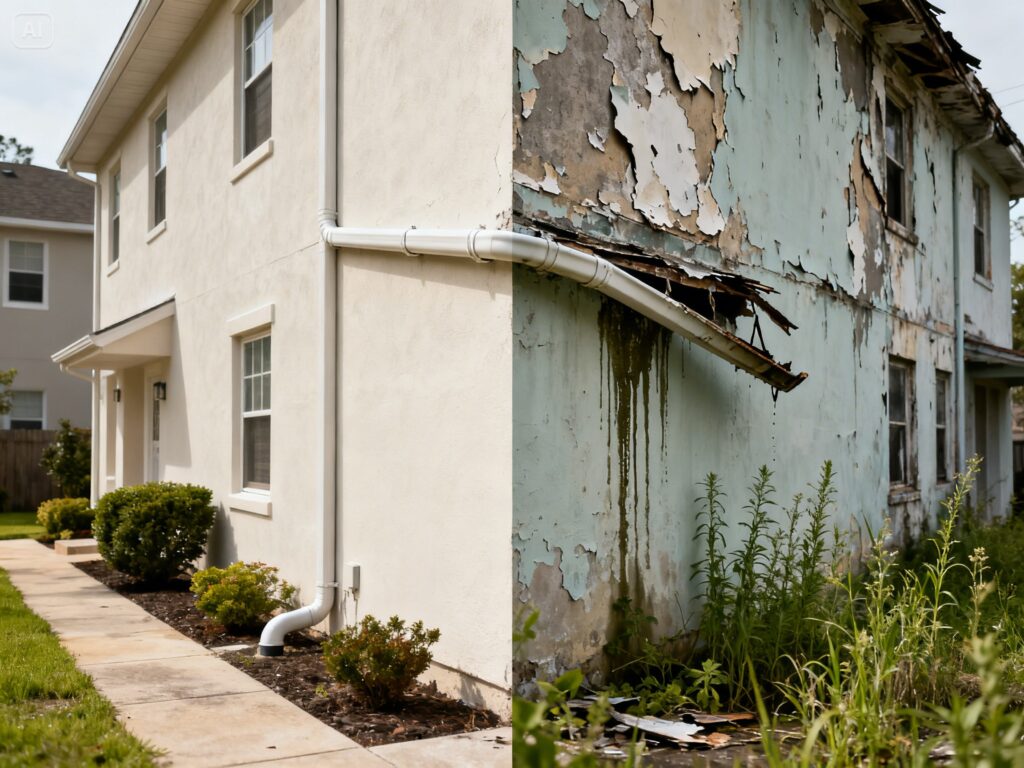
What’s the Real Cost of Deferred Maintenance? An Owner’s Guide
The Hidden Costs Behind Deferred Maintenance The repairs that most owners hold off on will ultimately cost them more money or tenant issues. The Institute of Real Estate Management (IREM) building maintenance tips emphasize how minor issues can escalate. But here’s the reality of those decisions: It’s Still Going to Cost More to Fix Later…
Experience exceptional management and elevate your property with us