Are Landlords Required to Provide Fire Extinguishers in Massachusetts?
Reading Time: 17 minutesFire safety is paramount in any living space, and especially so in rental units. But who is responsible for ensuring there’s a fire extinguisher on hand? In Massachusetts, the answer might surprise you. No Law Requiring Fire Extinguishers Currently, there is no law in Massachusetts that mandates landlords to provide fire extinguishers in their…
Fire safety is paramount in any living space, and especially so in rental units. But who is responsible for ensuring there’s a fire extinguisher on hand? In Massachusetts, the answer might surprise you.
Table of Contents
No Law Requiring Fire Extinguishers

Currently, there is no law in Massachusetts that mandates landlords to provide fire extinguishers in their rental units. While smoke detectors and carbon monoxide detectors are mandatory, fire extinguishers are not explicitly mentioned in tenant safety regulations.
That said, it’s important to note that fire safety requirements can vary depending on local ordinances. Some cities or towns within Massachusetts may have their own fire codes that go beyond state law, potentially requiring landlords to supply fire extinguishers in certain types of buildings. As a landlord or tenant, it’s essential to check with your local fire department or municipal housing authority for any additional regulations that may apply to your property.
In general, staying informed about both state and local fire safety requirements can help landlords avoid potential fines or legal issues, and ensure a safer living environment for everyone.
Are Landlords Required to Obtain Fire Safety Certifications?
While everyday rental units in Massachusetts don’t require landlords to obtain special fire safety certifications, certain situations do trigger additional requirements. For example, landlords who own larger apartment complexes, multifamily dwellings, or properties with unique fire risks may need to secure permits or certifications from their local fire department. These certifications often involve passing regular fire inspections and ensuring that required safety systems—such as sprinkler systems, emergency exits, or alarm panels—are properly installed and maintained.
In some cases, a certificate of compliance is issued after the property passes fire safety checks, especially during the sale of residential property or in buildings classified as lodging houses. As always, it’s a smart move to consult with your town or city’s fire prevention office to find out if your property falls under these additional certification rules. Staying proactive not only keeps you in compliance but also adds peace of mind for everyone living on the property.
What About Other Fire Safety Standards?
It’s important to note that while Massachusetts state law doesn’t require landlords to supply fire extinguishers, other fire safety codes and national guidelines may still influence best practices—especially for larger or multifamily properties.
- National Fire Protection Association (NFPA) Guidelines: The NFPA sets national standards for fire extinguisher type, location, and maintenance. For example, extinguishers should be easily accessible, visible, and located within a certain distance of potential hazards (like kitchens or laundry rooms). In general, you shouldn’t have to travel more than 75 feet to reach a Class A extinguisher or 50 feet for a Class B.
- Local Variations: Some cities or towns in Massachusetts may have their own fire codes or building regulations that go beyond state requirements. In multifamily buildings, for instance, local ordinances might require extinguishers in common areas, on each floor, or near exits. It’s wise for landlords to check with their local fire department for any additional rules.
- Maintenance Matters: Even if extinguishers are present, regular inspections and annual maintenance—often following NFPA recommendations—are needed to ensure devices remain in working order.
Why This Matters
Requirements can vary widely, and while the state law is clear, local rules and best practices can make a big difference in both safety and legal compliance. If you manage a multifamily property or own rentals in different cities, it’s crucial to stay informed about all applicable codes.
For further information on Massachusetts landlord-tenant law, you can consult resources provided by the state government (Mass.gov).
Where Should Smoke Detectors Be Installed?
When it comes to compliance, Massachusetts law is clear about the placement of smoke detectors in rental properties. Here’s what you need to know:
- Inside every bedroom: Each sleeping area must have a smoke detector installed.
- Outside each sleeping area: Place a detector in the hallway or adjacent area just outside the bedrooms.
- On every level: This includes basements, attics (if finished), and each story of the home—even if there’s no sleeping area on that floor.
Additionally, best practice—and sometimes local code—calls for these detectors to be interconnected. This means that if one alarm sounds, they all do, providing the fastest possible alert no matter where the danger starts. Following the guidelines set by the National Fire Protection Association (NFPA) can help ensure you’re in line with current safety standards and local requirements.
How Fire Extinguisher Regulations Differ Across Jurisdictions
When it comes to fire extinguishers, regulations can be a bit of a patchwork. While Massachusetts takes a fairly hands-off approach—leaving fire extinguishers up to landlord discretion—other states and even individual cities may have vastly different standards.
For example, some places might require fire extinguishers in every rental unit, others mandate them only in shared hallways or common areas, and a few leave the decision entirely up to the property owner. Even neighboring towns might interpret fire safety codes in slightly different ways.
Because of this, it’s always a good idea for landlords to check with their local fire department or municipal building department. They can clarify whether there are specific requirements for your area, helping you avoid penalties and ensuring your property meets all current safety regulations.
What Factors Determine Fire Extinguisher Requirements in Rental Properties?
So if fire extinguishers aren’t strictly required in Massachusetts rentals, how do property owners and tenants figure out what’s best for their specific building? Here’s where things get a little more nuanced.
Local Laws and Building Codes
Fire safety rules aren’t just handed down from on high by the state. Local cities and towns may set their own fire safety codes, which sometimes go beyond statewide guidelines. That means one city might expect extinguishers in every hallway or common area, while another might only require them in specific areas. Checking with your local fire department or code enforcement office is always a smart first step.
National Standards and Best Practices
While Massachusetts law may not force landlords to provide extinguishers, the National Fire Protection Association (NFPA) offers helpful guidance. Their codes outline recommended types, locations, and even maintenance schedules for extinguishers. Following these standards can put you ahead of the curve in terms of safety.
- Types of Extinguishers: Not all fires are created equal. Kitchen grease? Electrical equipment? Ordinary trash? There are specific extinguishers designed for different situations, such as:
- Water and foam for common combustibles (think: wood, paper)
- CO₂ for electrical and liquid fires
- Dry chemical types for all-around protection in most residential scenarios
Multifamily buildings typically benefit from dry chemical units since they handle a wider variety of fire types.
Placement and Accessibility
For an extinguisher to do any good, you’ve got to be able to find it fast. Common recommendations include:
- Mounting extinguishers in visible, accessible spots (like kitchens, laundry rooms, and near exits)
- Making sure they’re not blocked by furniture or decorations
- Following guidelines around travel distance—NFPA suggests never having to travel more than 75 feet to reach an extinguisher for the most common fire types
Ongoing Maintenance and Inspections
It’s not enough to simply hang an extinguisher on the wall and forget about it. Regular checks are key:
- Monthly: Quick visual inspections to ensure everything is in the right place and hasn’t been tampered with.
- Annually: A professional should make sure the unit is functional and ready to go.
Homes and apartment buildings that stay diligent about inspections have a much better shot at catching issues before they become emergencies.
So, whether you’re a landlord or a tenant, understanding these factors can help you make informed decisions about fire safety—even when the law leaves some things up to your own good sense.
Addressing Fire Extinguishers in Lease Agreements
Lease agreements are another place where fire extinguisher decisions can be made clear from the start. Landlords have the option to spell out whether extinguishers will be provided, maintained, or required within the rental—regardless of whether the law demands it. This approach can:
- Set expectations upfront about who is responsible for providing and checking extinguishers
- Clarify how maintenance or replacement will be handled
- Give both parties peace of mind, knowing the rules are written in black and white
If you’re unsure, it never hurts to have an open conversation with your landlord or property manager during lease negotiations. Including a simple clause about fire extinguishers keeps everyone on the same page, helps avoid confusion down the road, and often serves as a practical layer of safety for everyone involved.
Codes and Standards for Fire Extinguisher Use in Rentals
Even though Massachusetts does not currently require landlords to provide fire extinguishers in rental units, it’s still wise to understand the codes and best practices that govern their use—especially in multifamily properties and common areas.
National Fire Protection Association (NFPA) Guidelines
The National Fire Protection Association (NFPA) offers the gold standard when it comes to fire extinguisher selection, placement, and ongoing maintenance. While not expressly written into Massachusetts law for rentals, NFPA recommendations are widely recognized as best practice, and compliance is often used as a benchmark for safety by insurance companies and fire inspectors.
Types of Fire Extinguishers: Understanding the Basics
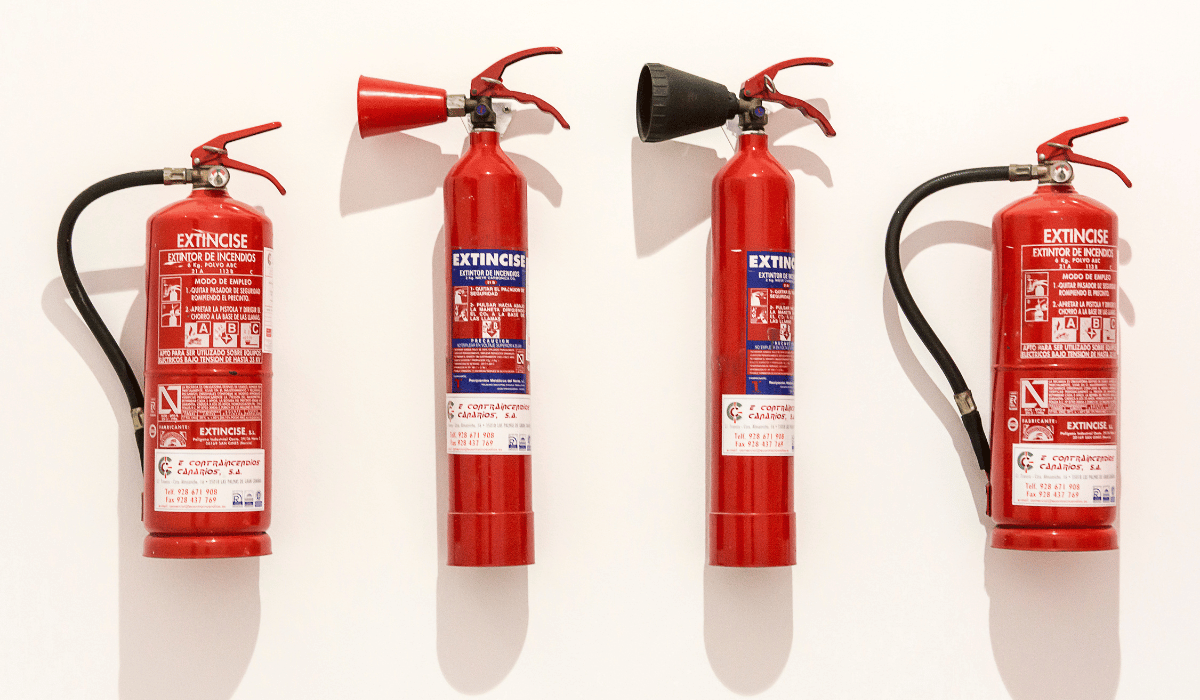
Not all fires are created equal, so choosing the right extinguisher matters. Here’s a quick rundown:
- Water and foam extinguishers: Meant for Class A fires (think: wood, paper, cloth).
- CO₂ extinguishers: Useful for Class B (flammable liquids) and Class C (electrical) fires.
- Dry chemical extinguishers: The all-rounders, effective against Class A, B, and C fires—a popular choice for residential properties.
- Wet chemical extinguishers: Specifically designed for kitchen environments (Class K fires), where cooking oils and fats are involved.
If you’re fitting out a multifamily building or want to go above and beyond in your single-unit rental, dry chemical extinguishers are typically the most versatile and recommended.
Placement: Where Should Fire Extinguishers Go?
NFPA guidelines emphasize accessibility and coverage. Fire extinguishers should be:
- Easily accessible—think common areas, laundry rooms, and especially near kitchens.
- Visible and free from obstructions.
- Placed within a reasonable distance—usually no more than 75 feet for Class A fire extinguishers, 50 feet for Class B.
This ensures tenants or building occupants can reach an extinguisher quickly in case of emergency.
How Many Fire Extinguishers Do You Need in a Multi-Unit Rental?
Now, let’s talk numbers. When it comes to outfitting a multi-unit rental property with fire extinguishers, the key considerations are coverage and convenience—not just legal minimums.
Here’s the simple breakdown:
- At least one extinguisher per floor: This is often considered a practical baseline. In low-rise apartment buildings, this could mean one strategically placed on each level, typically in a centralized and visible location.
- Larger or spread-out properties: For sprawling complexes or buildings with long hallways, you may need more to ensure no one has to travel further than 75 feet (or 50 feet for certain fire types) to reach an extinguisher, in line with NFPA recommendations.
- In-unit vs. Common areas: If you’re adding extinguishers inside individual units, one per kitchen (or close to it) offers the most direct protection. Otherwise, place units near high-risk areas—think laundry rooms, utility spaces, lobbies, and corridors.
A good rule of thumb: Err on the side of a little extra coverage. It’s better for every tenant to spot a fire extinguisher right when they need it than to go hunting in the heat of the moment. And remember, regular placement reviews help keep things safe and compliant as the property evolves.
Maintenance and Regular Checks
It’s not enough to just have extinguishers; they must actually work when needed. NFPA standards call for:
- Simple monthly visual inspections—check for tampering, pressure, and placement.
- Annual professional maintenance—ensure each extinguisher is fully operational.
For more details, the NFPA’s official guidelines (NFPA 10 Standard for Portable Fire Extinguishers) outline the full requirements for both residential and commercial properties.
By following these best practices—even if not required by state law—landlords can significantly boost the safety of their properties and the peace of mind of their tenants.
The Value of Professional Fire Safety Inspections for Landlords
Bringing in a certified fire safety inspector can pay real dividends for landlords—think of it as a proactive investment in both property protection and peace of mind. Trained professionals are adept at spotting potential fire hazards that might escape even the most vigilant DIY walkthroughs. They’ll scrutinize high-risk areas like electrical systems, heating sources, and kitchen appliances, flagging anything that could spell trouble down the line.
Beyond just identifying risks, inspectors ensure your property is meeting key fire safety codes and insurance requirements. This isn’t just about box-checking; having up-to-date inspection reports can safeguard you in the event of an incident, providing documented proof that you took reasonable precautions. Regular professional checks often catch small issues—like outdated wiring or blocked escape routes—before they develop into costly (or catastrophic) emergencies. For landlords looking to go the extra mile in reducing liability and protecting tenants, scheduled fire safety inspections are simply smart business.
Practical Guidelines for Fire Extinguisher Placement
Even though Massachusetts law doesn’t require landlords to supply fire extinguishers in rental units, knowing best practices for their placement can make a significant difference in an emergency.
Accessibility
Fire extinguishers should always be easy to access—there’s not much use in having one stashed behind a mountain of winter coats or tucked away in a locked closet. Consider placing extinguishers in common areas like hallways or laundry rooms, or near exits, so they are ready when needed most. Kitchens, given their likelihood for small fires, are also a logical spot.
Visibility
An extinguisher is only helpful if you can find it in a hurry, so avoid hiding one behind furniture or artwork. Keep extinguishers in plain sight, mounted on a wall or an obvious location, so tenants—or anyone—can spot them instantly.
Travel Distance
The National Fire Protection Association (NFPA) recommends that you should never have to trek across your entire apartment or floor to grab an extinguisher. For instance, in most situations, you shouldn’t need to walk more than 75 feet to reach a Class A extinguisher (for ordinary combustibles like paper or wood), and 50 feet for a Class B extinguisher (designed for flammable liquid fires).
Following these practical placement tips not only helps keep tenants safe but also gives everyone a little extra peace of mind.
Best Practices for Fire Extinguisher Placement in Rental Properties
Even though not legally required, knowing how to position a fire extinguisher can make all the difference during an emergency. The National Fire Protection Association (NFPA) provides useful guidelines that landlords and tenants alike can follow to maximize fire safety.
Here’s what to keep in mind when deciding where fire extinguishers should go:
- Easy Access Matters: Extinguishers should be placed where people can reach them quickly—think near exits, in shared spaces like hallways and laundry rooms, and, especially, close to kitchens where most residential fires begin.
- Keep Them in Sight: Don’t hide extinguishers behind doors, curtains, or decorations. They should be plainly visible so there’s no time wasted searching when it counts.
- Mind the Distance: Ideally, you shouldn’t have to travel more than 75 feet to reach a fire extinguisher for typical fires (Class A), or 50 feet in areas more prone to flammable liquid fires (Class B). This keeps safety just steps away, no matter where trouble strikes.
- Consider Building Size: In larger multifamily properties, more extinguishers may be needed to ensure every floor and common area is covered.
By following these simple placement rules, both landlords and tenants can take proactive steps to keep everyone safer.
Types of Fire Extinguishers and Options for Multifamily Buildings
Not all fire extinguishers are created equal—each one is designed for specific types of fires. If you’re a landlord or a tenant in a multifamily property, understanding which extinguisher to choose can make all the difference during an emergency.
The most common types include:
- Water and Foam Extinguishers: Best for fires involving everyday materials like wood, paper, or fabric (classified as Class A fires). However, they aren’t suitable for kitchen fires or anything electrical.
- Carbon Dioxide (CO₂) Extinguishers: These are ideal for flammable liquid fires (Class B) and electrical fires (Class C). They work without leaving residue—helpful for electronics but not for combustible materials like paper.
- Dry Chemical Extinguishers: The go-to for many properties, these versatile extinguishers can handle the most common types of fires you’d encounter: Class A (ordinary combustibles), Class B (flammable liquids), and Class C (electrical equipment).
- Wet Chemical Extinguishers: Specifically made for kitchen fires (Class K), these are essential in areas where cooking is frequent—think residential kitchens or communal cooking spaces.
For multifamily buildings, dry chemical extinguishers are often recommended because they cover the broadest range of risks found in rental units—electrical mishaps, kitchen accidents, or a candle left unattended. Consider placing wet chemical extinguishers in common kitchen areas for added security.
Having the right type of extinguisher nearby means tenants and landlords can act quickly—and possibly prevent a small accident from becoming a major catastrophe.
Importance for Tenants

Having a fire extinguisher readily available in your apartment can be a lifesaver. A small fire can be contained quickly before it spreads, potentially minimizing damage and ensuring everyone’s safety.
Beyond personal safety, fire extinguishers also serve to protect your property and assets. By stopping fires early, they help prevent costly repairs or replacements, preserving both your belongings and the overall value of the property. For tenants and landlords alike, this simple measure can make a significant difference in the event of an emergency.
It’s also important to know how to use a fire extinguisher correctly. Even the best equipment is only effective if tenants feel confident using it in a stressful moment. Consider reviewing basic fire extinguisher instructions as part of your personal safety routine or asking your landlord about training resources. This way, you’ll be better prepared to respond calmly and efficiently if the need ever arises.
Imagine this: a tenant is preparing dinner and, in a split second, a pot on the stove catches fire. With a fire extinguisher close at hand, the tenant can act immediately—stopping the blaze before it causes serious harm or widespread property damage. Fire extinguishers empower tenants to respond to emergencies swiftly, turning what could have been a major disaster into nothing more than a minor inconvenience.
Providing fire extinguishers in rental units, especially in multifamily buildings where kitchens are a common source of accidental fires, is a simple step that can have a significant impact on safety and peace of mind for both tenants and landlords.
Reducing Liability Risks for Landlords
For landlords, installing fire extinguishers throughout rental properties isn’t just about ticking a box—it’s a practical way to limit legal and financial exposure. When tenants have the tools to address small fires quickly, the chances of a minor mishap spiraling into a full-blown disaster drop dramatically.
Taking proactive steps by equipping units and shared spaces with extinguishers shows that you’re prioritizing tenant safety. If a fire were to occur, this measure can demonstrate that you took reasonable precautions, which may help protect against negligence claims.
Insurance providers also tend to look favorably on properties with solid safety practices in place. Maintaining up-to-date extinguishers can sometimes result in lower premiums or other policy perks, putting a little more money back in your pocket—while protecting your investment at the same time.
What Happens If Fire Prevention Is Ignored?
Neglecting fire prevention measures—like skipping over smoke alarm checks or failing to provide proper extinguishers—can have serious consequences for landlords. Beyond the emotional toll of property damage or injury, landlords could be held legally responsible if a fire breaks out due to overlooked safety issues. In many places, laws require landlords to maintain certain fire safety standards, and not meeting these obligations can lead to hefty fines or even criminal charges if negligence ends up causing harm.
For peace of mind (and to steer clear of legal headaches), it’s wise for landlords to stay on top of fire safety requirements. Ensuring routine inspections are thorough and all fire-fighting equipment is maintained isn’t just about following the rules—it’s about safeguarding the well-being of everyone in the building.
How Fire Extinguishers Help Prevent Injuries and Save Lives
A fire extinguisher is more than just a red canister collecting dust under the kitchen sink—it’s a valuable first line of defense if a small fire breaks out. Quick access to an extinguisher allows people to control or put out a fire before it grows out of hand. This quick action can:
- Prevent the fire from spreading to other areas
- Help tenants and their guests escape safely
- Reduce the amount of smoke and toxic fumes produced
Most importantly, having a fire extinguisher nearby gives you a fighting chance before emergency services arrive, lowering the risk of serious injuries or fatalities. It’s about buying precious time and providing an extra layer of protection for everyone in the building.
Building a Well-Rounded Fire Safety Plan
While fire extinguishers are important, they’re just one piece of an effective fire safety strategy for rental properties. For truly comprehensive protection, landlords and tenants should consider several additional safeguards:
- Smoke and Carbon Monoxide Detectors: Required in Massachusetts, these should be placed in every unit and common area, with regular testing to ensure proper function.
Proper installation means smoke detectors should be located in each sleeping area, outside every bedroom, and on every level of the rental property—including basements and attics if applicable. Interconnected alarms are recommended so that when one sounds, they all do, giving everyone in the building early warning.
Regular maintenance is just as important as installation. Landlords should test each detector monthly and replace batteries at least once a year, or as directed by the manufacturer. This simple routine helps ensure the alarms are always in working order.
Finally, always stay up-to-date with local and state regulations regarding the placement and maintenance of these devices. Meeting these standards helps keep tenants safe—and keeps you compliant.
- Clear Evacuation Routes: Hallways, exits, and stairwells should remain unobstructed and have visible, illuminated signage to guide residents safely out in case of emergency.
- Sprinkler Systems: Particularly in larger or multi-unit buildings, fire sprinklers offer extra peace of mind and can quickly suppress a fire before it spreads.
- Fire Alarm Systems: For multifamily properties, interconnected alarm systems can alert everyone in the building at once, speeding up evacuation and response times.
Regular inspection and maintenance of all fire safety devices—along with keeping clear logs of checks and repairs—are essential steps in not only staying compliant with local regulations, but also in genuinely reducing risks. Adopting these practices isn’t just about checking boxes; it’s a proactive way to safeguard both lives and property.
Tips for Staying Fire Code Compliant
- Stay up to date on fire codes: Fire safety regulations can change, so it’s important to regularly review local and state codes for any updates that might affect your property.
- Consult with local authorities: Don’t hesitate to reach out to your local fire or building department if you have questions about specific requirements. They can clarify rules and provide helpful resources.
- Schedule professional inspections: Bringing in a certified fire safety inspector can help identify any overlooked hazards and ensure your property meets all necessary standards.
By taking these steps, landlords not only fulfill their legal responsibilities but also demonstrate a real commitment to keeping tenants safe.
Are Fire Extinguishers Alone Sufficient for Fire Safety?
Fire extinguishers are a valuable tool, but they’re not the whole story when it comes to protecting multifamily properties. Think of them as part of a bigger safety puzzle. Smoke detectors in every unit and common area are essential for early warning. Clearly marked exits and evacuation routes can make all the difference during an emergency, ensuring everyone can leave quickly and safely.
Some landlords choose to go a step further by installing sprinkler systems, which provide added peace of mind and an extra line of defense. No matter the equipment, regular maintenance is key—checking alarms, extinguishers, and emergency lighting on a schedule helps catch issues before they become serious and keeps you in line with local fire codes.
By taking this comprehensive approach, landlords help create a safer environment for everyone who calls their property home.
Fire Extinguishers and Insurance Considerations
It’s not just about tenant safety—fire extinguishers can also come into play when dealing with insurance for your rental property. Many insurance companies, like Allstate or Liberty Mutual, may look favorably on properties with added fire prevention measures. In some cases, they might require fire extinguishers as part of their policy terms, especially for certain types of buildings.
Even if not strictly required, having fire extinguishers available could help you qualify for reduced premiums. Essentially, when you show a proactive approach to minimizing fire risk, you might save money in the long run. It’s another reason why some landlords choose to go the extra mile, even if the law doesn’t demand it.
How Often Should Fire Extinguishers Be Inspected and Maintained?
If you or your landlord decide to keep a fire extinguisher in your rental, regular upkeep is key to making sure it works when needed. According to industry standards set by the National Fire Protection Association (NFPA), here’s what should happen:
- Monthly Checks: Fire extinguishers should be visually inspected once a month. This means checking that it’s easy to access, not blocked or damaged, and the pressure gauge is in the proper range.
- Annual Professional Maintenance: Even if things look good on the surface, a qualified technician should perform a more thorough inspection every year. This helps ensure the extinguisher is fully charged and ready for use.
It’s important to note that inspection frequency can sometimes vary based on local regulations or building codes. Some cities or counties may have their own requirements that go above and beyond NFPA guidelines. When in doubt, check with your local fire department or building department to confirm how often inspections should occur in your area.
What Are the Maintenance Requirements for Fire Extinguishers in Rental Properties?
If you or your landlord choose to provide a fire extinguisher in your rental unit, keeping it in working condition is crucial. The National Fire Protection Association (NFPA) has laid out clear guidelines to make sure fire extinguishers are always ready to use:
- Monthly visual checks: Someone—often the tenant or building manager—should ensure the extinguisher is in the correct location, fully charged, accessible, and hasn’t been tampered with.
- Professional annual inspections: Once a year, a qualified technician should examine the extinguisher to confirm it’s operational, pressure levels are safe, and all parts are in good working order.
- Prompt servicing if used or damaged: If an extinguisher has been discharged (even partially) or shows signs of damage, it should be serviced or replaced right away.
Regular attention to these maintenance steps not only meets NFPA standards but also ensures the safety equipment will actually work if you need it most.
Responsibilities of Tenants and Landlords in Fire Extinguisher Maintenance
So, who’s in charge of keeping that fire extinguisher up to snuff? The answer: both tenants and landlords play a part—especially if a fire extinguisher is present in the rental.
Tenant Duties:
Tenants who decide to bring their own extinguisher should take the lead on basic upkeep. This includes regular visual inspections—making sure it’s still accessible, hasn’t expired, isn’t damaged, and the pressure gauge looks right. If something seems off, it’s best to handle repairs or replacements quickly so the equipment is always ready in case of an emergency.
Landlord Duties:
Landlords who supply fire extinguishers are responsible for ensuring they’re well-maintained and code-compliant. That means promptly addressing any reported issues, scheduling annual professional inspections (think certified technicians doing the thorough stuff like recharging or hydrostatic testing), and swapping out units if they’re used or show signs of wear.
Ultimately, good communication is key. If something looks wrong, tenants should alert their landlord right away. Working together keeps everyone better protected—and helps avoid messy surprises down the road.
Conclusion
Massachusetts law currently doesn’t require landlords to provide fire extinguishers in rental units. However, open communication between tenants and landlords about fire safety is crucial. Tenants concerned about fire preparedness may want to discuss the possibility of having a fire extinguisher with their landlord.
Seeking a stress-free property management experience? Green Ocean Property Management offers exceptional service and prioritizes resident satisfaction. Contact us today for a free consultation!
How Real Estate Analytics Gets Done
Reading Time: 2 minutes Analytics enables businesses to make sound decisions based on facts and trends. It often means a lot of spreadsheets: a lot of numbers, a lot of reading. But when it comes to an investment property, it’s important to use this data. Read on to know how real estate analytics gets done. Our…
The Truth About Hot Water Tank Warranties
Reading Time: 3 minutes When you purchase a hot water tank they’re going to give you options of 6, 10, 12 years, typically at 6 or 10, and the price incremental isn’t that big, $100 or maybe $250 most, but it is something to consider. A lot of our landlords go, “Wow, if I can get an additional…
Top 5 Financial Red Flags when reviewing Tenant Applications
Reading Time: 9 minutes As property managers, we need to make sure that our clients have responsible tenants. That is why we have listed our Top 5 Red Flags when reviewing potential tenant applications so that landlords can have immediate signs to turn down an applicant but if you see multiple red flags be warned! We have seen too…