
Prevent Frozen Pipes: Winter Maintenance Musts for Boston Rentals
Why Frozen Pipes Are a Big Problem in Boston Boston’s sub-zero temps and unpredictable storms create the perfect storm for pipe freezes—especially in older multifamily homes and basements without proper insulation. Pipes in unheated areas (attics, crawl spaces, exterior walls) are most at risk. The Cost of Doing Nothing: A single burst pipe can lead…
Table of Contents
Why Frozen Pipes Are a Big Problem in Boston
Boston’s sub-zero temps and unpredictable storms create the perfect storm for pipe freezes—especially in older multifamily homes and basements without proper insulation. Pipes in unheated areas (attics, crawl spaces, exterior walls) are most at risk.
The Cost of Doing Nothing: A single burst pipe can lead to structural damage, mold growth, insurance claims, and lost rent. Prevention is not only cheaper—it’s the smart move.
1. Insulate Exposed Pipes—Especially in Unheated Areas
Foam pipe sleeves or heat tape can make a major difference. Prioritize:
- Basement pipes
- Attic plumbing
- Exterior wall plumbing
- Under-sink pipes (especially near exterior walls)
Green Ocean Pro Tip: Add insulation before the first big freeze. Once pipes are frozen, it’s often too late.
2. Keep the Heat Consistent—Even If the Unit is Vacant
It’s tempting to turn off the heat in vacant rentals to save money, but this can cost you more in the long run.
Best Practice: Keep the thermostat at no lower than 55°F in all units—even unoccupied ones.
We install smart thermostats in some properties so owners can monitor temperatures remotely.
3. Seal Up Drafts Around Pipes
Cold air seeping in from poorly sealed windows or foundation cracks can freeze nearby pipes.
- Seal window gaps in basements and crawl spaces
- Use spray foam or caulk around plumbing entry points
4. Let Faucets Drip on Cold Nights
Running water—even a trickle—helps prevent pipe freezing. For especially cold nights:
- Let faucets drip in kitchens and bathrooms
- Open cabinet doors under sinks to let warm air in
We include these instructions in seasonal emails to tenants as part of our proactive communication strategy.
5. Know How to Shut Off the Water—Fast
If a pipe does burst, you or your tenant must know where the main shutoff valve is. Label it clearly, and provide instructions in tenant welcome materials or seasonal updates.
6. Educate Your Tenants
Most frozen pipe emergencies happen when tenants:
- Go away for the holidays and turn the heat off
- Don’t report low temperatures in the unit
- Don’t recognize warning signs
Green Ocean Best Practice: We send a winter prep checklist to tenants, including “pipe-safe” instructions. We also offer 24/7 emergency lines for quick reporting.
Prevention is Your Best Investment
Protecting your rental from frozen pipes isn’t just good property management—it’s smart business. The time and cost to winterize is nothing compared to the losses of cleanup, repairs, and insurance claims.
At Green Ocean, our winter maintenance plans include:
- Pre-season inspections
- Proactive tenant education
- Emergency response support
- Vendor coordination for insulation and repairs
Want to avoid frozen pipe headaches this winter? Schedule a free consultation with our team and see how we protect your property and your profits—year-round.
🔍 SEO Keywords:
- Prevent frozen pipes rental
- Winterize rental property Boston
- Frozen pipe prevention landlord
- Winter maintenance rental home
- Property management frozen pipes
- Boston winter property checklist
🌐 External Resource Suggestions:
Winter maintenance is handled automatically under our landlord management plans — see also what deferred maintenance really costs.

The Green Ocean Flywheel: Why Our Clients Buy More Properties—Not Just Management
At Green Ocean Property Management, we talk a lot about our “Flywheel.” It’s more than just a buzzword—it’s the engine behind our clients’ growing success. Over the years, we’ve noticed a pattern: our clients don’t just stick around for management. They buy more properties, build bigger portfolios, and invite their friends to do the same….
Pest Control for Rental Properties: Prevention and Response
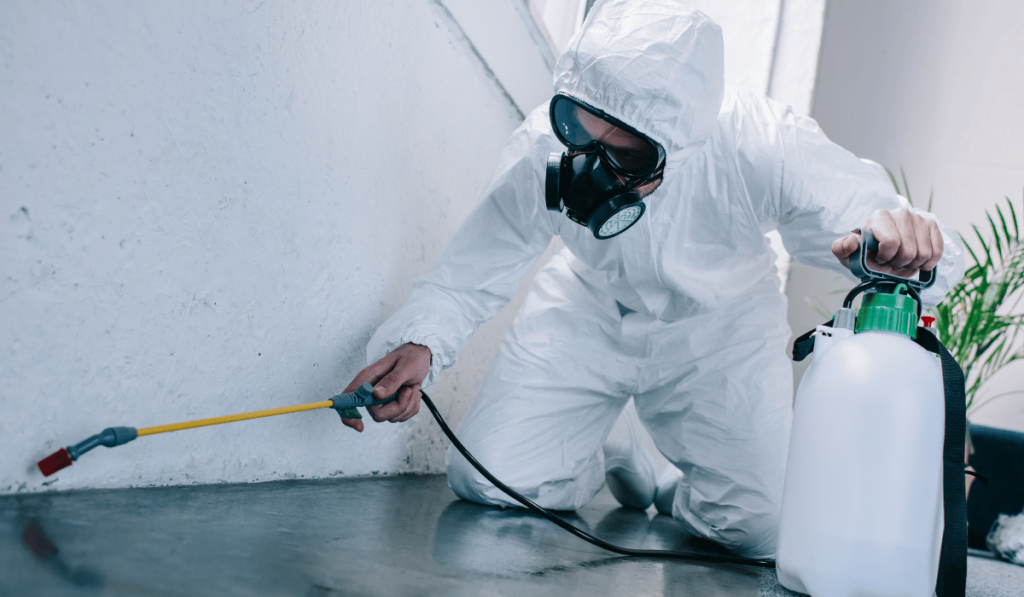
Pest problems in a rental home are easiest to manage when owners and residents report concerns early, remove conditions that attract pests, and follow a documented treatment plan. By Jarrett Lau · Updated October 12, 2026 Start with an inspection and a clear plan Check for signs of activity during move-in and routine maintenance visits:…
Do Townhomes Have Fire Alarms Connected to a Central System?
Reading Time: 2 minutes As a townhome owner, you prioritize the safety and well-being of your residents or tenants. Fire safety is paramount, and understanding your fire alarm system is crucial. Unlike apartment buildings with central monitoring, townhomes often operate differently. The short answer to this question is no. Typically townhomes don’t have fire alarms…
Experience exceptional management and elevate your property with us